
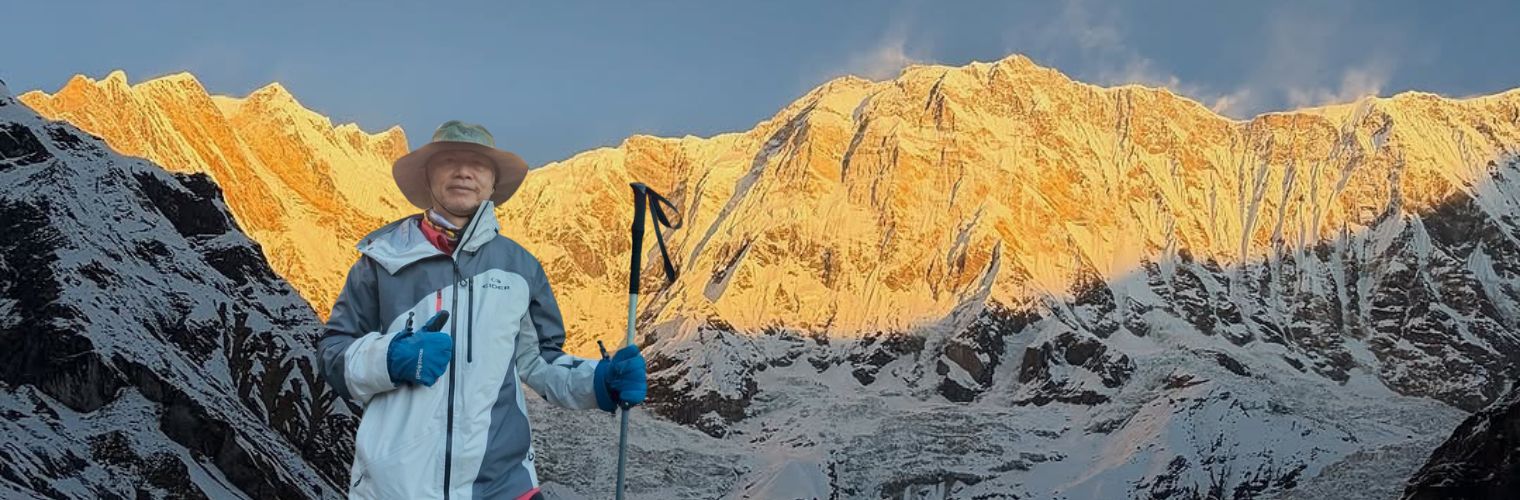
Best Time for Annapurna Base Camp Trek
Did you know that your timing plays an important role in the success of the Annapurna Base Camp Trek when planning it? The Annapurna Region affects trail conditions throughout the year, as weather patterns, visibility, and temperature change by month.
Different seasons offer different levels of comfort and safety when trekking. And clear skies make for better views of mountain peaks, though heavy rain or winter snow can render some trails tougher to navigate. Knowing these seasonal variations allows trekkers to have a smoother, more expected journey.
Season-wise, spring (March to May) and autumn (September to November) are usually considered the best times to prepare for your trek to Annapurna Base Camp. These seasons are characterised by the most stable weather patterns, clearer visibility and consistent trail conditions for ABC trekking.
Quick Summary
- Best time for Annapurna Base Camp Trek is during spring and autumn due to stable weather, clear skies, and comfortable trekking temperatures.
- Spring season offers blooming rhododendron forests, warm daytime temperatures, and beautiful mountain views along the way.
- Autumn season is the most popular season because of dry trails, clear view, and stable post-monsoon weather conditions.
- Winter trek is possible for ABC, but colder, with heavy snowfall near Machapuchare Base Camp and Annapurna Base Camp.
- Monsoon season brings heavy rainfall, muddy trails, and reduced mountain views, although landscapes become lush and green.
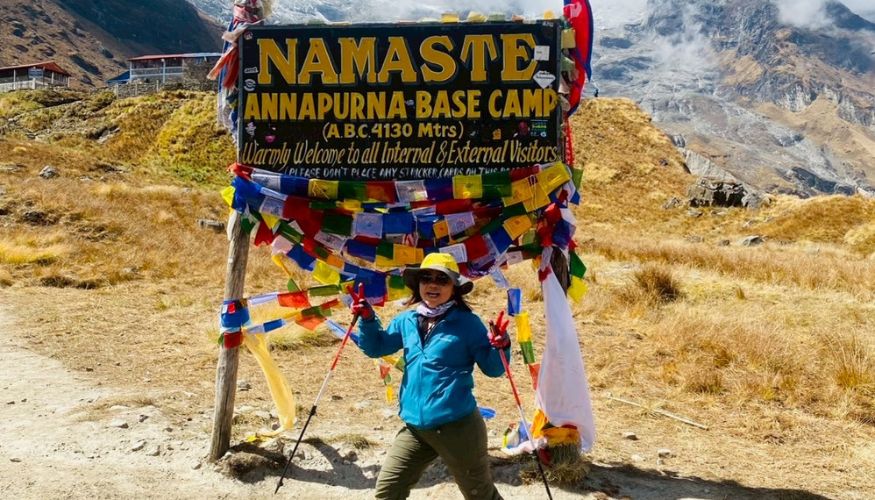
- Annapurna Base Camp trek reaches 4,130 meters in altitude and usually takes 7 to 12 days, passing through villages like Ghandruk, Chhomrong, Bamboo, Dovan, and Deurali before reaching base camp.
Annapurna Base Camp Trek Overview
Annapurna Base Camp Trek is one of the most famous and best trekking trails after the Everest Base Camp Trek. This trek takes trekkers into the heart of the Annapurna Sanctuary, a high glacial basin encircled by some of the world’s tallest Mountains. The trek is a perfect blend of mountain views, traditional villages, and varied natural landscapes, making it one of the most accessible Himalayan expeditions.
Where is the Annapurna Base Camp?
The Annapurna base camp is located in the protected Annapurna Conservation Area, northwest of Pokhara. Peaks around the sanctuary include Annapurna I, Annapurna South, Machapuchare and Hiunchuli.
Why the Trek Is Popular
ABC Trek offers scenic mountain views, a diverse landscape, and a moderate difficulty Trek. Before arriving at base camp, trekkers traverse terraced farmland, rhododendron forests, authentic Gurung and Magar villages and alpine terrain. The trail offers intimate views of the Annapurna massif while remaining attainable for trekkers with minimal fitness and preparation.
Maximum Altitude and Route Overview
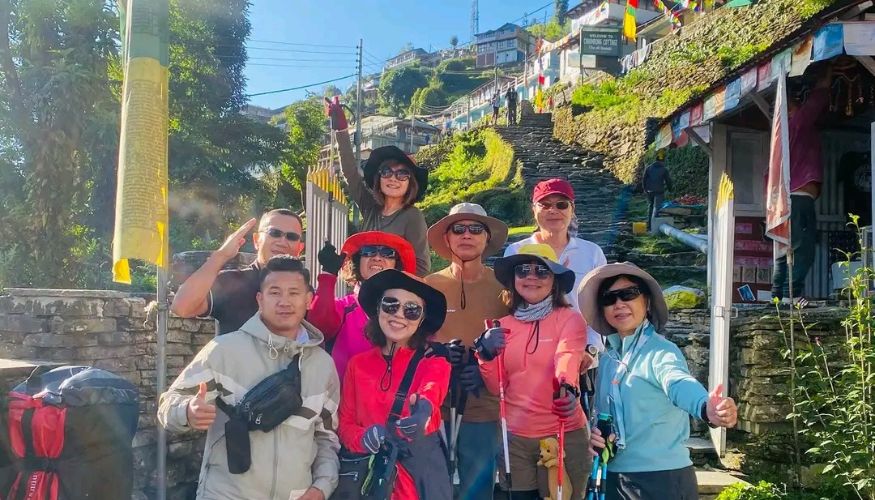
The highest altitude of this trek is 4,130 meters above sea level at Annapurna Base Camp. Most itineraries begin with a drive from Pokhara to trailheads such as Nayapul or Jhinu Danda. The trail ticks its way through villages such as Ghandruk, Chhomrong, Bamboo, Dovan, and up to Deurali near to Machapuchare Base Camp, leading towards Annapurna Base Camp. For a typical trekker, the standard route will take between 7 and 11 days, starting from whichever point you walk in, with acclimatization built into the schedule.
Best Time for Annapurna Base Camp Trek
Spring and autumn are the best seasons for the Annapurna Base Camp Trek. These seasons offer the best trekking conditions with stable weather, clear mountain views, and mild temperatures. During these months, subsequent rainfall is low, the skies are generally clear, and trails remain dry and easier to walk on.
These seasons are optimal because they provide moderate daytime temperatures, clearer views of the Himalayan peaks and less dangerous trail conditions. Unobstructed views are most frequent in the fall, while spring brings flowering rhododendron forests along the trekking trail.
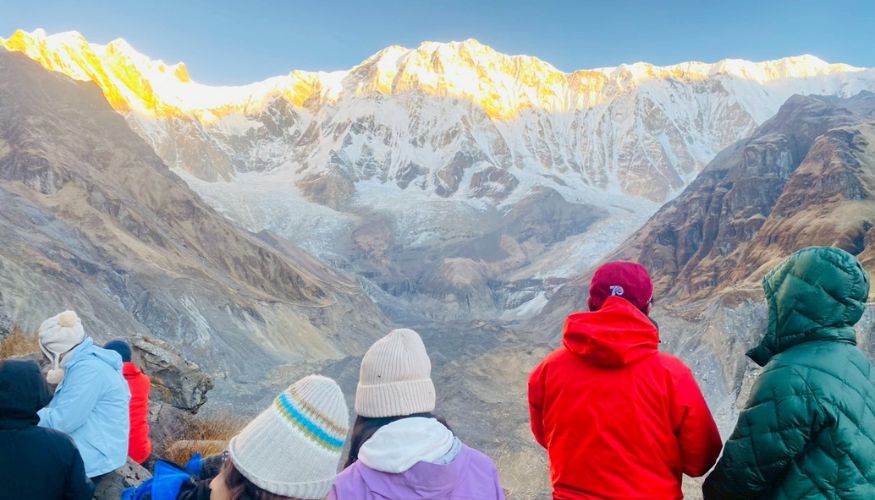
Things like weather stability, visibility, temperature, crowds and trail conditions all play a part in determining when the best time to trek is. Stable weather means conditions are less risky for trekking, visibility is much clearer for mountain views, moderate temperatures make walking the route more pleasant, and the routes tend to be dry in the autumn compared to wet during the monsoon.
Annapurna Base Camp Trek in Spring
Spring is a very popular time to go for the Annapurna Base Camp Trek. Weather conditions gradually transition from winter during the pre-monsoon season, with much warmer temperatures and mostly clear skies, allowing one to see all the surrounding Himalayan mountains. The trekking trails are usually dry and firm, providing pleasant walking conditions for most trekkers. Along with the blooming rhododendron forest on the way, which dresses up this route during spring. Days are warm, but nights at altitude stay cold.
| Month | Temperature | Conditions |
| March | Cool | Clear skies |
| April | Mild | Best visibility |
| May | Warm | Pre-monsoon clouds |
The other best trekking season to Annapurna Base Camp is autumn. The sky is clear and dry after the monsoon season ends, with excellent trekking conditions in the Annapurna region. The weather is predictable, and trails are generally stable, making this season a popular one among trekkers. Autumn is also the time for great Nepalese festivals such as Dashain and Tihar that provide more opportunities to experience local culture whilst on trek.
| Detail | Description |
| Weather and Climate conditions | Stable weather with dry air and comfortable daytime temperatures |
| Mountain Visibility | Clear skies with beautiful views of the surrounding Himalayan peaks |
| Festivals and Cultural Experience | Opportunity to experience the great Nepalese festivals, Dashain and Tihar, in local villages like Ghandruk and Chhomrong. |
| Pros of Trekking in Autumn | Clear mountain views, stable weather, and well-maintained trails |
| Cons of Trekking in Autumn | Higher number of trekkers and busier teahouses during peak months |
Annapurna Base Camp Trek in Winter
Winter trekking in Annapurna Base Camp is doable, but conditions are colder than in the other seasons. At higher elevations, temperatures are much cooler, especially at night. It may snow up on the upper parts of the trail near Machapuchare Base Camp and Annapurna Base Camp. Winter offers a quieter trekking experience, as far fewer trekkers visit the area at this time of year, despite the colder conditions. Many days bring blue skies, too, which can still yield decent views of the mountains.
| Detail | Description |
| Winter Weather | Cold temperatures with clear skies |
| Snowfall on the way | Snow may appear on higher sections near base camp |
| Advantages of Winter Trek | Fewer crowds and quieter trekking routes |
| Challenges of Winter Trek | Very cold temperatures and possible snow-blocked trails in higher areas |
Annapurna Base Camp Trek in Monsoon
The Annapurna Base Camp trek is not the best time during the monsoon season because it is heavily drenched in rain and has damp weather. Rain leaves the land lush and green, and rivers and waterfalls along the route are in full flow. But heavy rains can cause trail conditions and views of the surrounding mountains. Some portions are still ok to trek, but it’s recommended to be extra cautious as the trails lead to a somewhat wet and muddy trail.
| Detail | Description |
| Rainfall | rain with high humidity levels |
| Trail Conditions | Trails may become muddy and slippery in the forest and lower areas |
| Landslide Risks | Some sections of the route may experience landslides during heavy rain |
| Advantages of Monsoon Trekking | Lush green landscapes and fewer trekkers on the trail |
Weather Conditions at Annapurna Base Camp
Due to the high altitude in the Himalayas, the weather at Annapurna Base Camp is cold year-round. Daytime temperatures can be cool under clear skies, but conditions can change swiftly with the seasons. Wind is also well-known in the open alpine environment around base camp and can contribute to the apparent temperature, particularly during mornings and evenings. Nights are significantly colder than daytime, and the plentiful cool air usually dips below freezing during winter and early spring months.
| Detail | Description |
| Temperature at ABC | Cool to cold daytime temperatures due to high altitude, 4,130m above sea level |
| Wind and Climate | Windy alpine conditions that can make the air feel colder |
| Night Temperatures | Night temperatures often fall below freezing |
Factors to Consider When Choosing the Best Time
The best time for the Annapurna Base Camp Trek depends on practical factors related to trekking conditions and personal preferences, which also influence the choice between those times. The trekking experience level is also vital, as beginners usually require stable weather and comfortable temperatures, which are more often found in spring and autumn. Seasoned trekkers might be better equipped for harsher or wetter weather during winter or the monsoon season.
Trekking experience is also affected by the preferences of the crowd. More visitors mean busier trails and teahouses during peak trekking months. Trekkers interested in less crowded routes may opt for the quieter months, when traffic is lower.
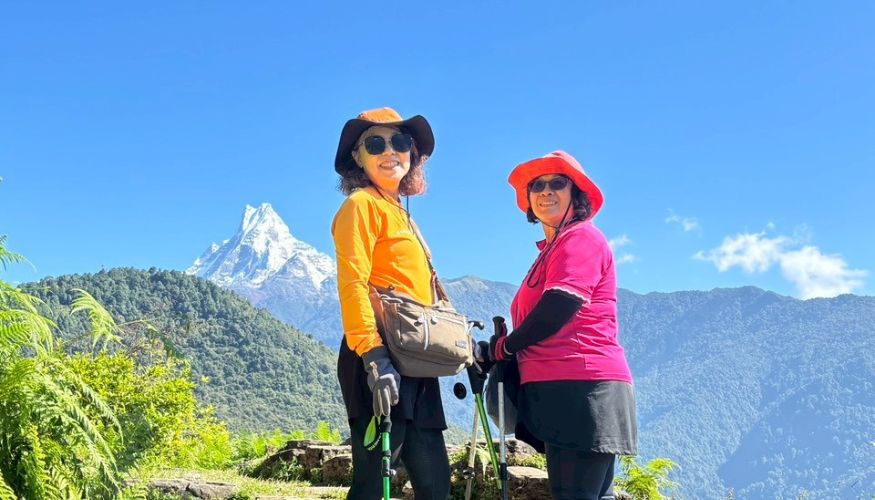
Photography locations vary by season, depending on the weather. Clear skies following the monsoon season tend to bring crisp views of the mountains, while spring brings colourful forests and natural scenery along the trail.
Financial considerations and travel availability may also impact the plans. Food and tour services are more crowded and difficult to book during peak seasons, whilst they have been easier in the post-peak months, as you feel free to set any time for travel, sometimes at lower prices.
Best Time for Different Types of Trekkers
Every trekker has different plans and preferences, which result in different trekking seasons as well. Spring and autumn are ideal because the weather is more stable, and trail conditions are less strenuous for those beginning their mountaineering adventures. They are also the most comfortable temperatures for long days of trekking.
Autumn season is the best time for photography because most of the sky will be clear and the mountain visibility will be good after the monsoon. Spring is a great time for photographers thanks to blooming rhododendron forests and a colourful landscape.
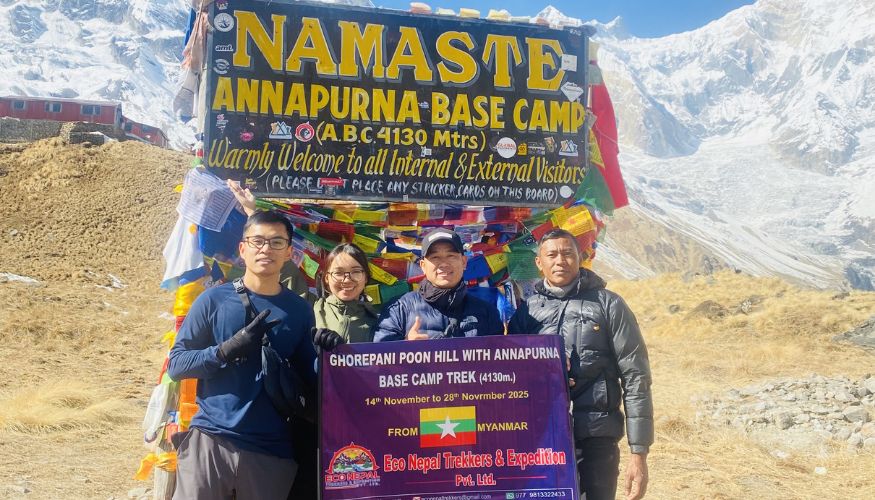
If you want to avoid the crowds, the winter or early monsoon months are better, as fewer visitors travel to this region. Trails and teahouses are typically less crowded during these seasons, which means a more serene trek.
As a result, budget travellers may be better off planning their visit for the low-season months of winter or the early monsoon period when accommodation and trekking services are not in high demand. These months may offer more flexible travel options due to the busy trekking season, but weather conditions can be harsher.
Tips for Trekking Annapurna Base Camp in Different Seasons
Annapurna Base Camp trek preparation depends on the season and weather. Each season brings altered environmental conditions, hence trekkers are required to customize their gear and plan accordingly.
In the spring and autumn, trekkers must take layered clothing, as temperature changes are noticeable during the day and at night. A light down jacket, waterproof shell jacket, trekking boots, gloves, and sun reflectors all come in handy since temperatures range from warm daytime hiking to cold, high-elevation evenings.
In winter, you should prepare for cold-weather protection. Warm, insulated clothing; thermal layers; thick gloves; and a winter sleeping bag, along with appropriate trekking boots, are essential because at higher altitudes temperatures can plummet well below freezing.
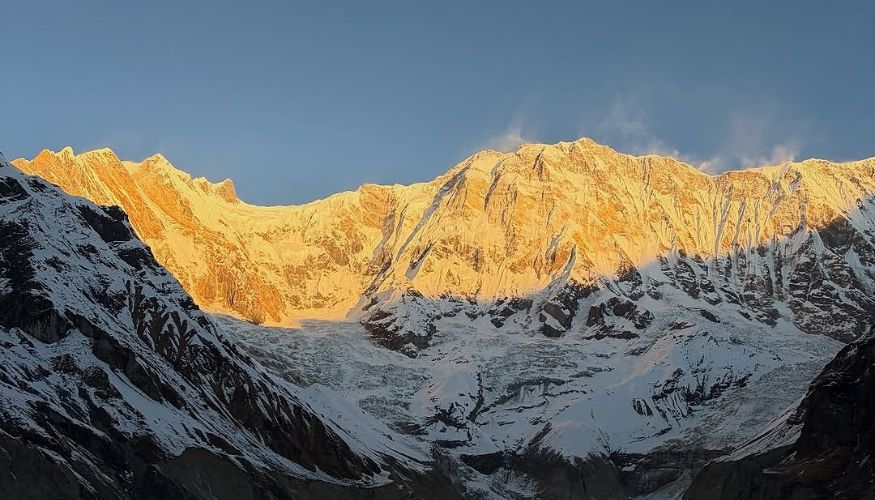
During monsoon trekking, safety is important, and rain protection becomes a must. Waterproof jackets, rain covers for backpacks, quick-drying clothes, and trekking poles can help you deal with slippery trails and torrential downpours.
Common Mistakes When Choosing Trekking Season
A common mistake during Annapurna Base Camp trek preparation is to disregard the way the climate changes with altitude. In addition to temperature, conditions can vary greatly between the lower villages and the high altitude around the base camp.
Another common error is to underestimate the influence of monsoon rains. Trails become more muddy and visibility in the mountain area is reduced, which can spoil the trekking experience due to heavy rainfall during the monsoon season.
Sometimes, trekkers make the mistake of trekking without the appropriate seasonal gear. Improper attire or equipment can lead to an unpleasant experience, particularly in the months when temperatures are low or precipitation is common. Proper preparation for the trekking season helps ensure a safer and more enjoyable journey.
FAQs
Which month is best to go on the Annapurna Base Camp Trek?
April and October are the best times because those months typically offer settled weather, blue skies, and pleasant temperatures for trekking. The visibility of the mountains is often good during these periods, making them popular times to visit.
Is it possible to trek to Annapurna Base Camp in winter?
Yes, it can be done during the winter months from December to February. But with much colder temperatures, particularly at elevated places, snow is possible in the vicinity of the base camp. Trekkers must have adequate winter clothing and acclimatize to wintry weather.
Is it the off-season to do the Annapurna Base Camp trek?
The monsoon season runs from June to August, when heavy rainfall and humidity are common. Trails can be muddy, and visibility may be diminished by clouds. Trekking is still possible, but extra caution is needed in the season due to slippery trails and occasional landslides.
What is the temperature at Annapurna Base Camp?
Annapurna Base Camp is located around 4,130 m above sea level, and it is cold throughout the year. Temperatures are typically cool during the day and drop to subfreezing at night, especially in winter and early spring.
When are the best mountain views?
September to November typically offers the clearest views of the mountains. The post-monsoon season clears the air, and the skies are often very clear, allowing trekkers to see the surrounding Himalayan peaks more clearly.
Final Thoughts
Spring and autumn are the best times of year to trek to Annapurna Base Camp, as during these seasons the weather is relatively stable, temperatures are comfortable for trekking, and the mountains can be seen in their element. Spring is also the flowering season, known for colourful rhododendron forests and mild weather, while autumn offers the best visibility and good trekking.
Even in the other seasons, winter and the monsoon bring their own set of adventures. These factors can impact the trekking experience, with the winter season offering fewer crowds and trails, but the season also provides stunning scenery. In the monsoon, the paths turn lush green, but the rain makes it less journeyable.
If you are planning the Annapurna Base Camp trek, consider the weather conditions, temperature by altitude, trail conditions, and your own trekking preferences. Proper preparation and choosing the right season can help ensure a safe and enjoyable trekking experience.