Everest Base Camp Trek
TripAdvisor Reviews Recommended by 99.99% travelers
USD 1550
Nepal
15 Days
Moderate
Kala Patthar (5,550 m/18,209 ft)
Hotel/Lodge/Teahouse
Private vehicle/Domestic Flight
Min. 2 pax - Max. 25 pax
Spring (Mar-may) & Autumn (Sep-Nov)
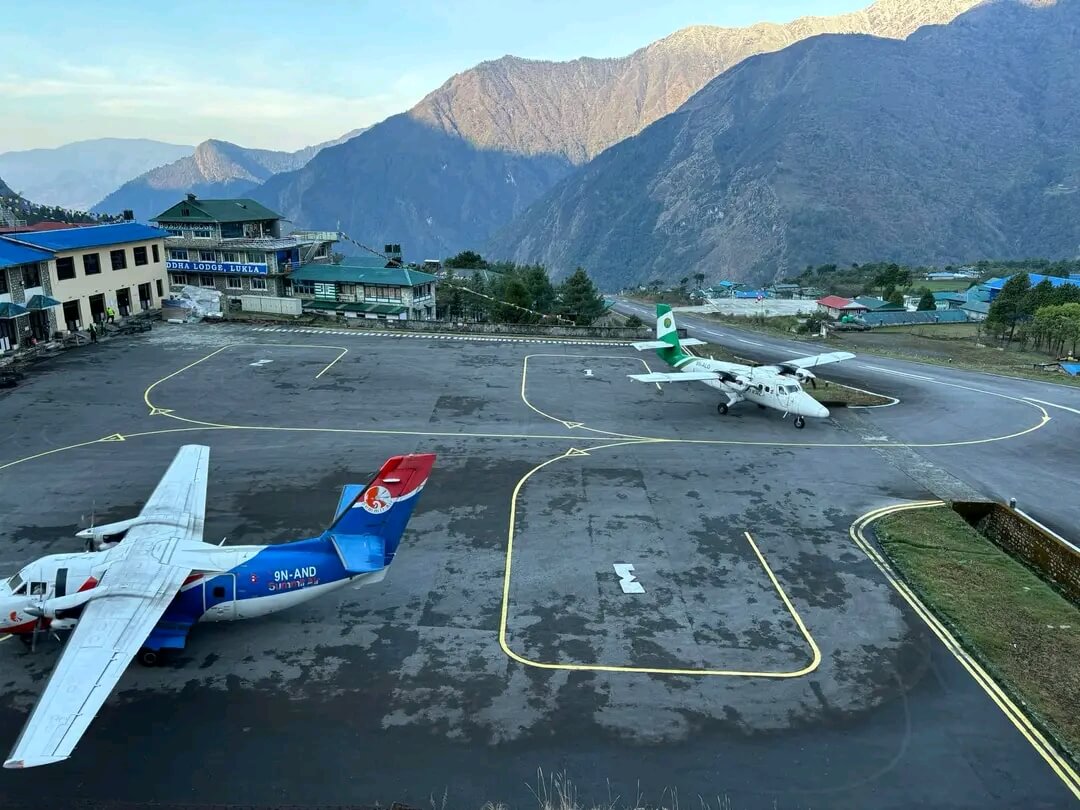
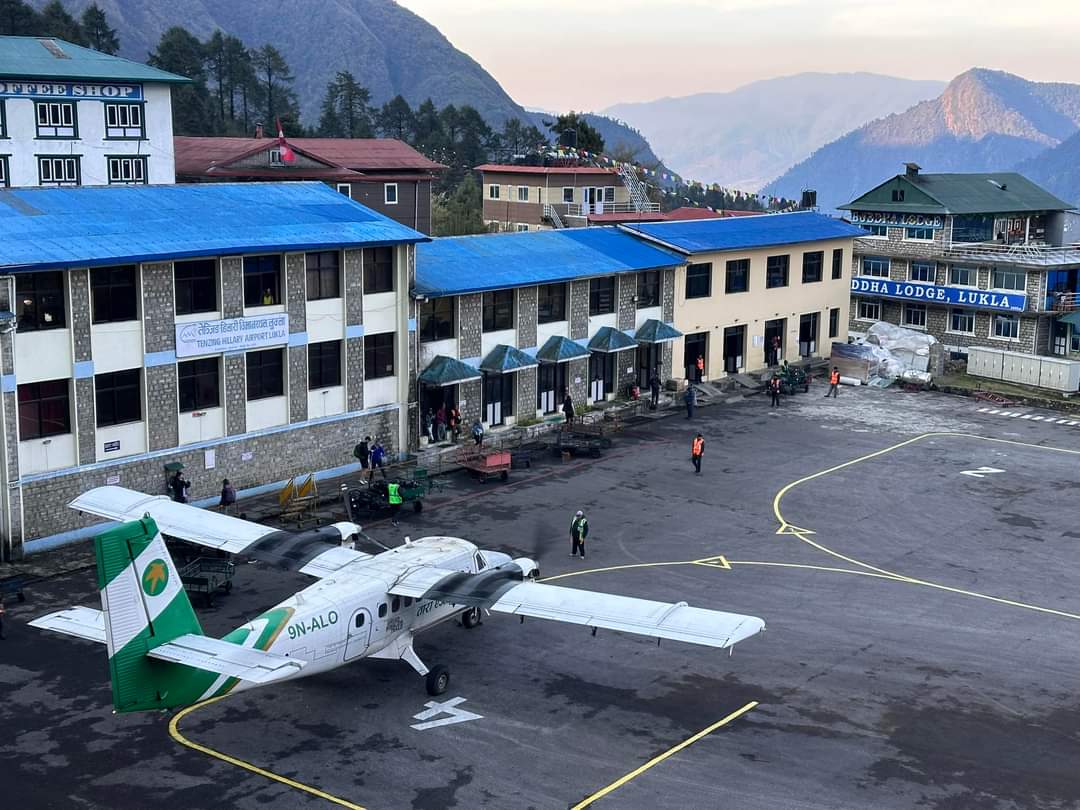
- Experience an exciting landing at Lukla Airport (Tenzing Hillary Airport), famous as one of the world’s most extreme airports. It sits among the towering Himalayan peaks.
- The most popular Sagarmatha National Park in Nepal is home to rare wildlife.
- It also has unique glaciers.
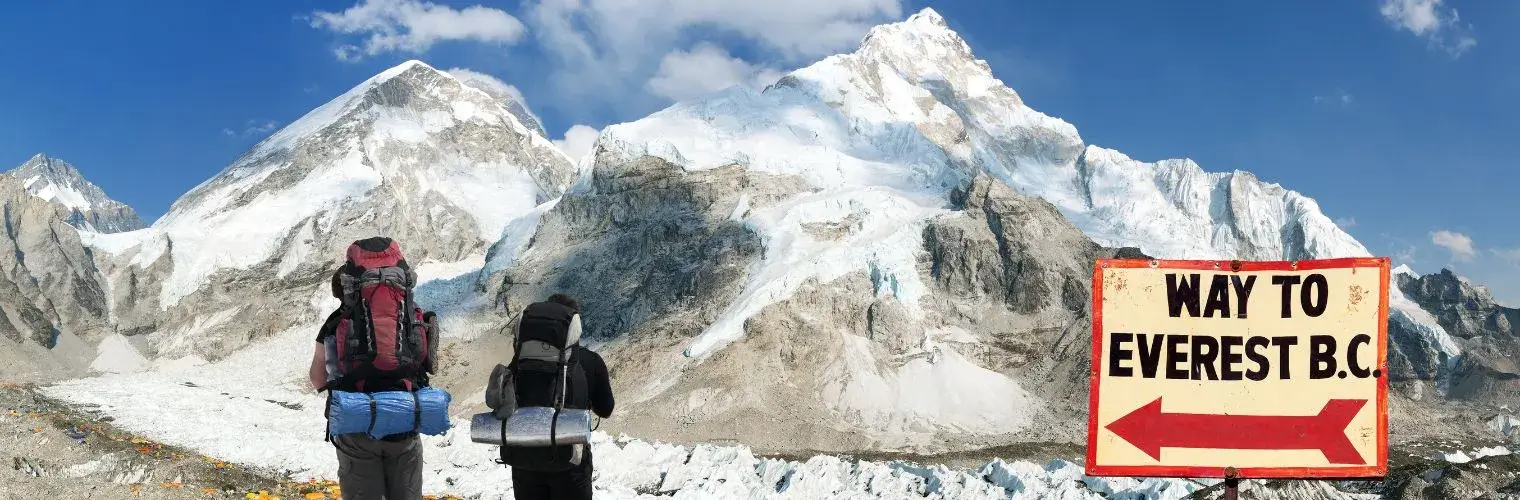
- It offers beautiful views of Mount Everest and other giant mountains.
- Visit Namche Bazaar, the largest marketplace in the Everest Region.
- It is home to many Sherpa people.
- Immerse yourself in Sherpa culture.
- Explore the local markets.
- Visit the Sherpa Museum.
- Enjoy the cozy tea houses.
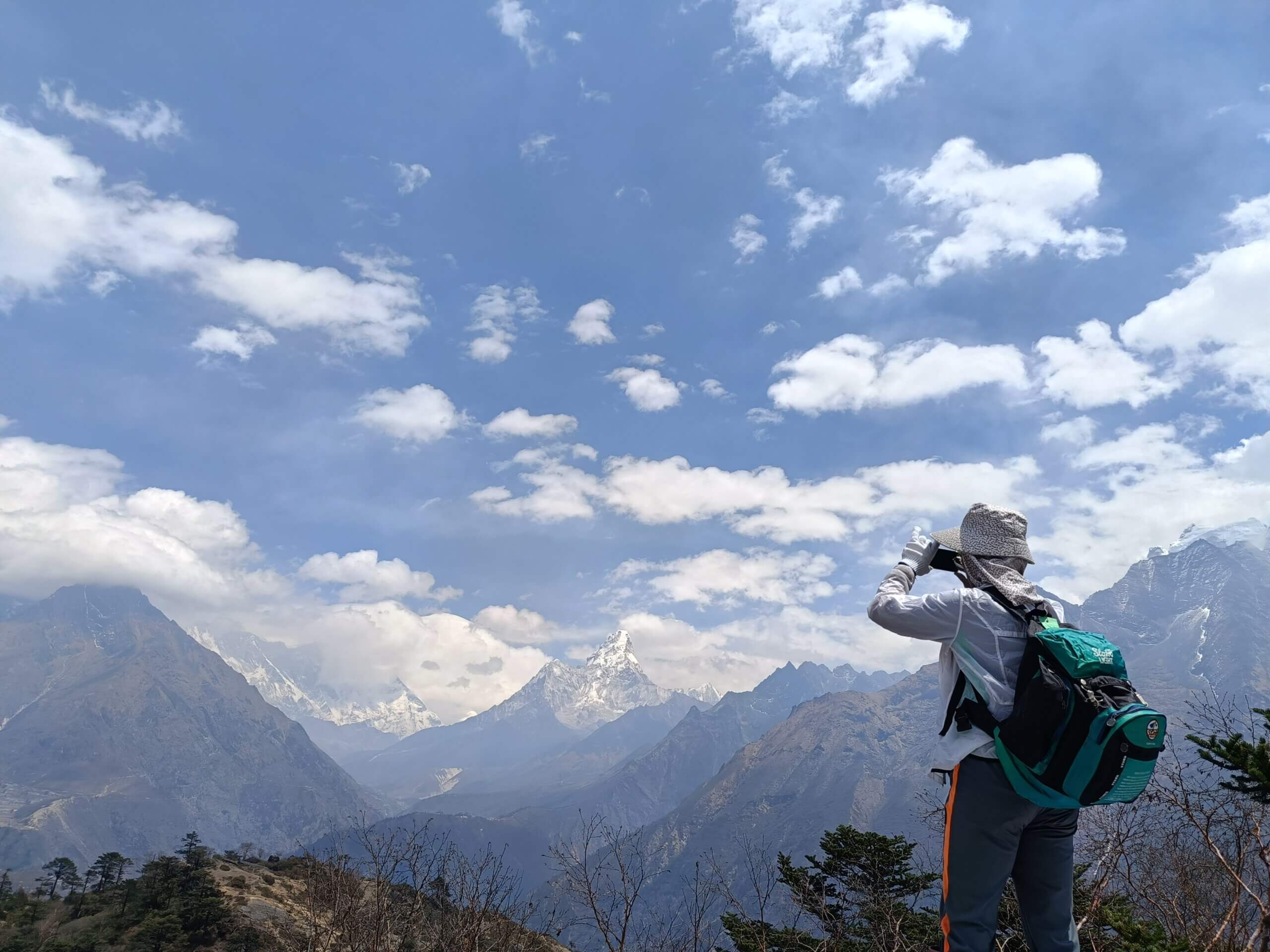
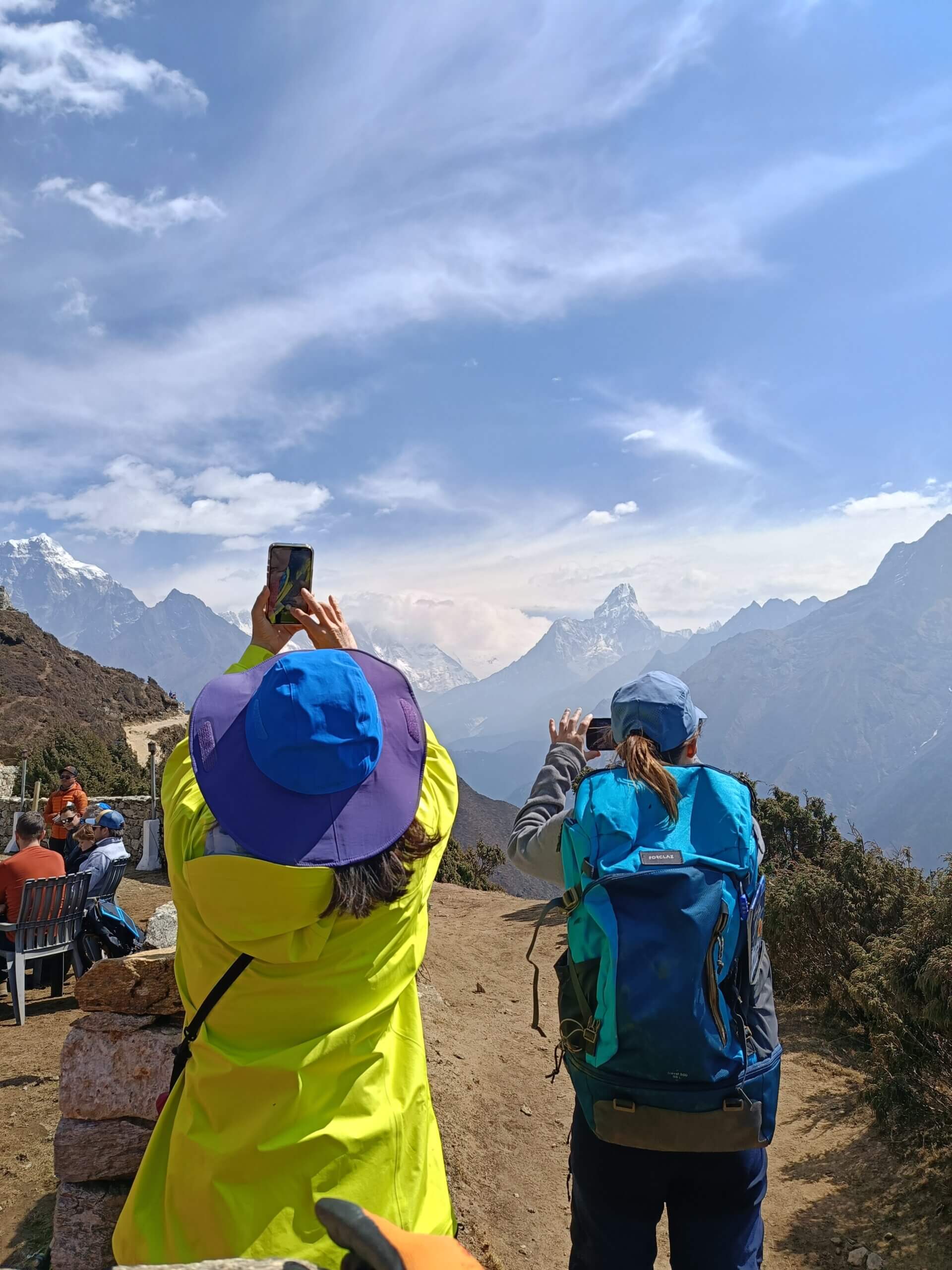
- The nearest viewpoint from Namche Bazaar, also called Everest View Point, offers a breathtaking view of Mount Everest. It also overlooks other famous peaks like Lhotse, Nuptse, and Ama Dablam.
- Explore the large Sherpa village and its traditional life. Visit the historic Hillary School. See the famous “Yeti Scalp” at Khumjung Monastery.
- Visit the spiritual heart of the Everest region. Hear monks offer morning prayers, with Ama Dablam and Mount Everest behind them. Many tourists pray for success on their journey. Join in the journey and feel blessed.
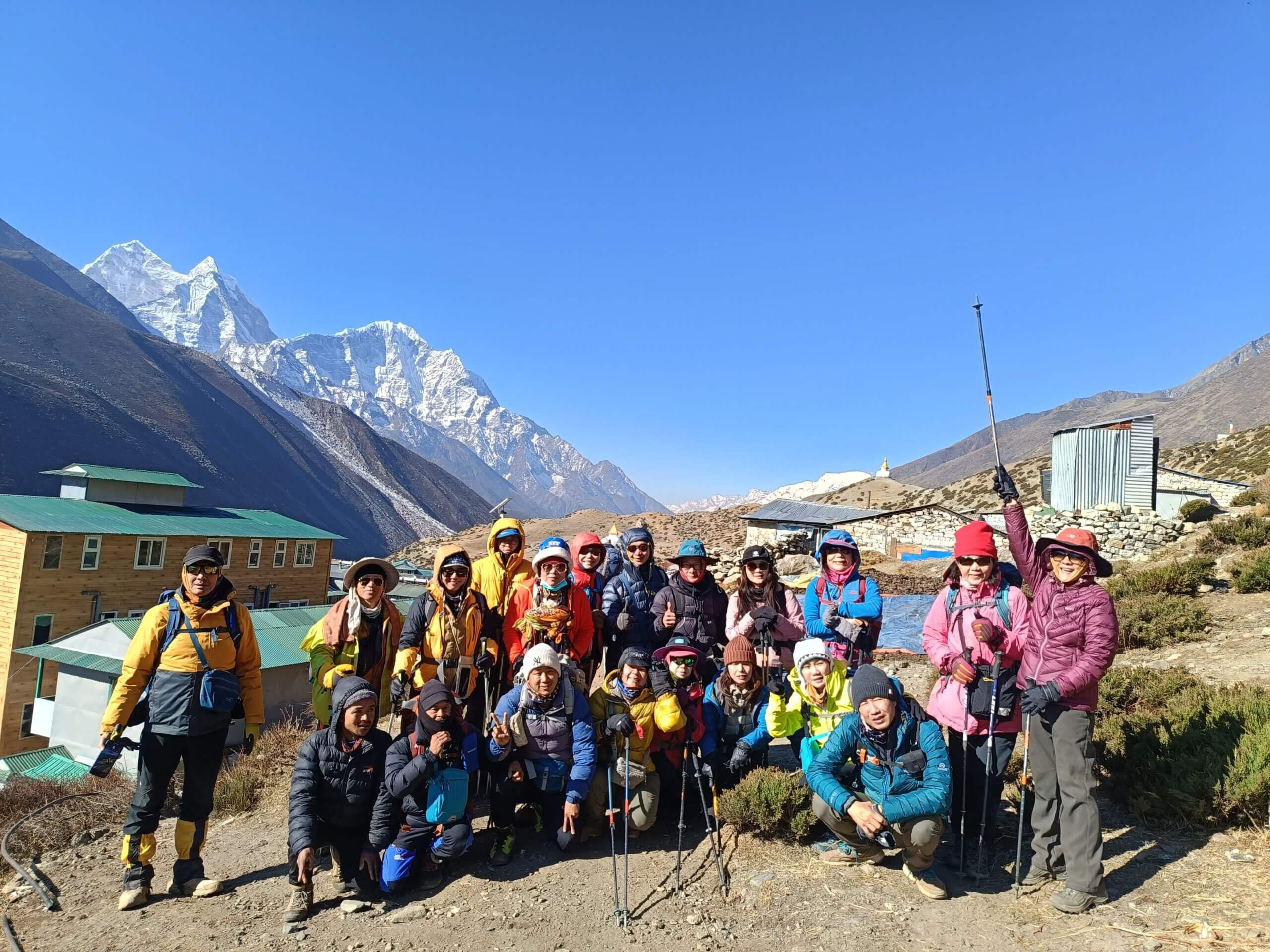
- Hike to Nagarjun Peak near Dingboche. Enjoy this hidden gem in quiet solitude. It offers panoramic views of Ama Dablam. You can also see other mountains above 6000m.
- Stand at the foot of the world’s highest mountain. Enjoy the awe of the Khumbu Icefall. See other towering peaks, such as Lhotse and Nupse.
- Enjoy clear views of the peak as it shines in the golden light of dawn. Make your dream come true by reaching this iconic viewpoint. See the most spectacular sunrise over Everest.
Everest Base Camp Trek Overview
The Everest Base Camp Trek is a reputable and famous trek that is on the bucket list of adventure trekkers worldwide. It is located within Sagarmatha National Park in the Solukhumbu district of Nepal. It takes trekkers through the wonderful Khumbu region of Nepal to the foothills of Mount Everest (8,848.86 meters), the world’s highest mountain.
This trek truly offers you an unforgettable experience of a lifetime. It combines extreme adventure, Sherpa culture, local traditions, and Himalayan views of Mount Everest. It also includes other famous mountains in Nepal’s Everest Region.
Our Everest Base Camp Trek Package combines amazing mountain views with Sherpa culture and ancient Tibetan Buddhist traditions. This transforms the challenging trek into a Himalayan Sherpa cultural experience. The natural beauty of the Sagarmatha National Park.
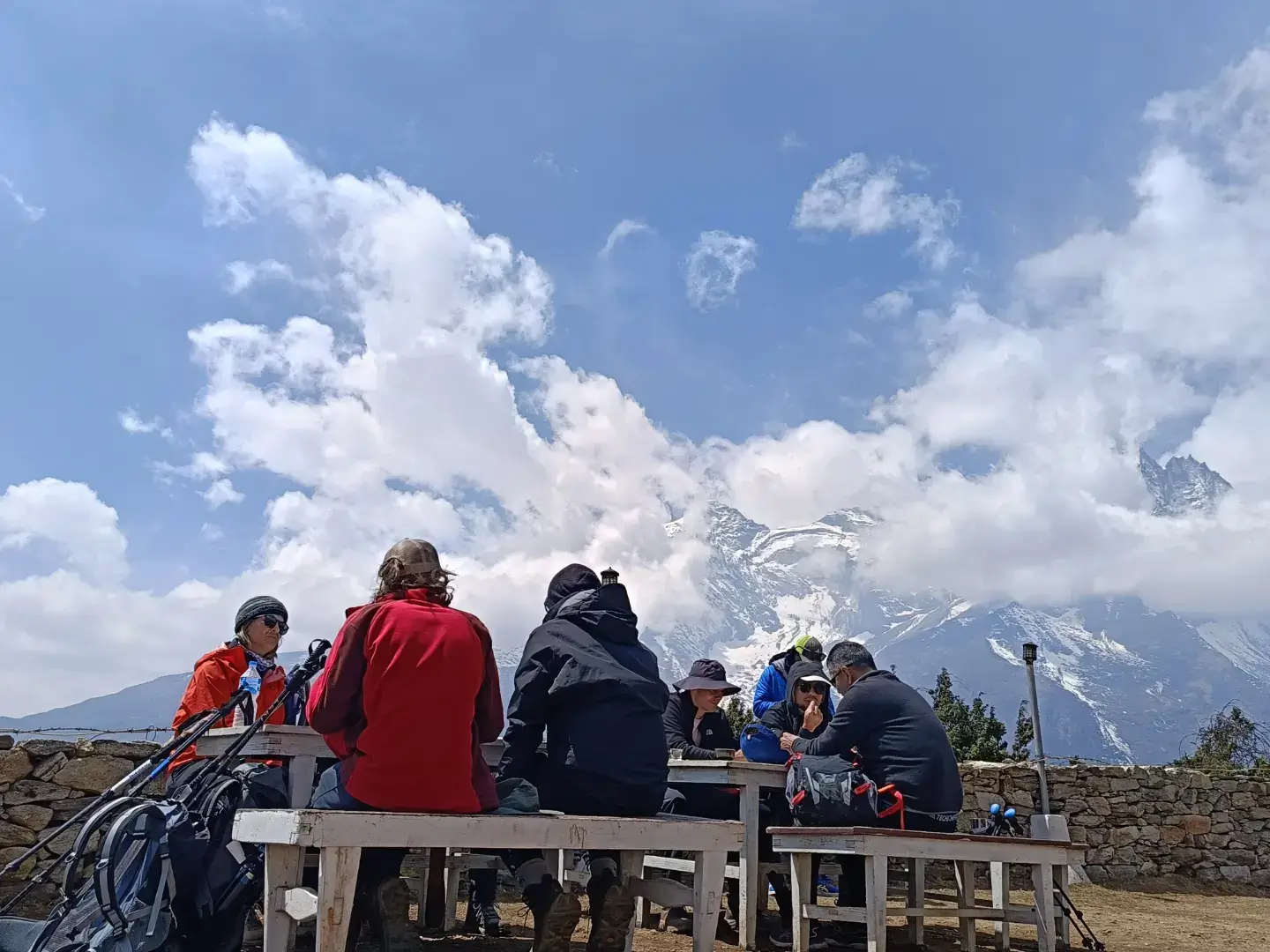
Although the mountain routes are tough, there are many places to stop. You can visit tea houses and local lodges. You can enjoy food along the way.
The trek offers you the opportunity to immerse yourself in the spectacular beauty of Nepal’s high mountains. As you trek, you will see some of the world’s most famous mountains, including Mount Everest (8,848 m), Lhotse (8,516 m), and Nuptse (7,861 m).
The dramatic skyline is further enhanced by the stunning Pumori (7,161 m), often called the “daughter of Everest.” Its sharp pyramid shape stands out. Nearby is the awe-inspiring Ama Dablam (6,812 m).
For those seeking more adventure on this trip, it offers exciting views of famous climbing peaks, including Island Peak (6,189 m) and Mera Peak (6,476 m).
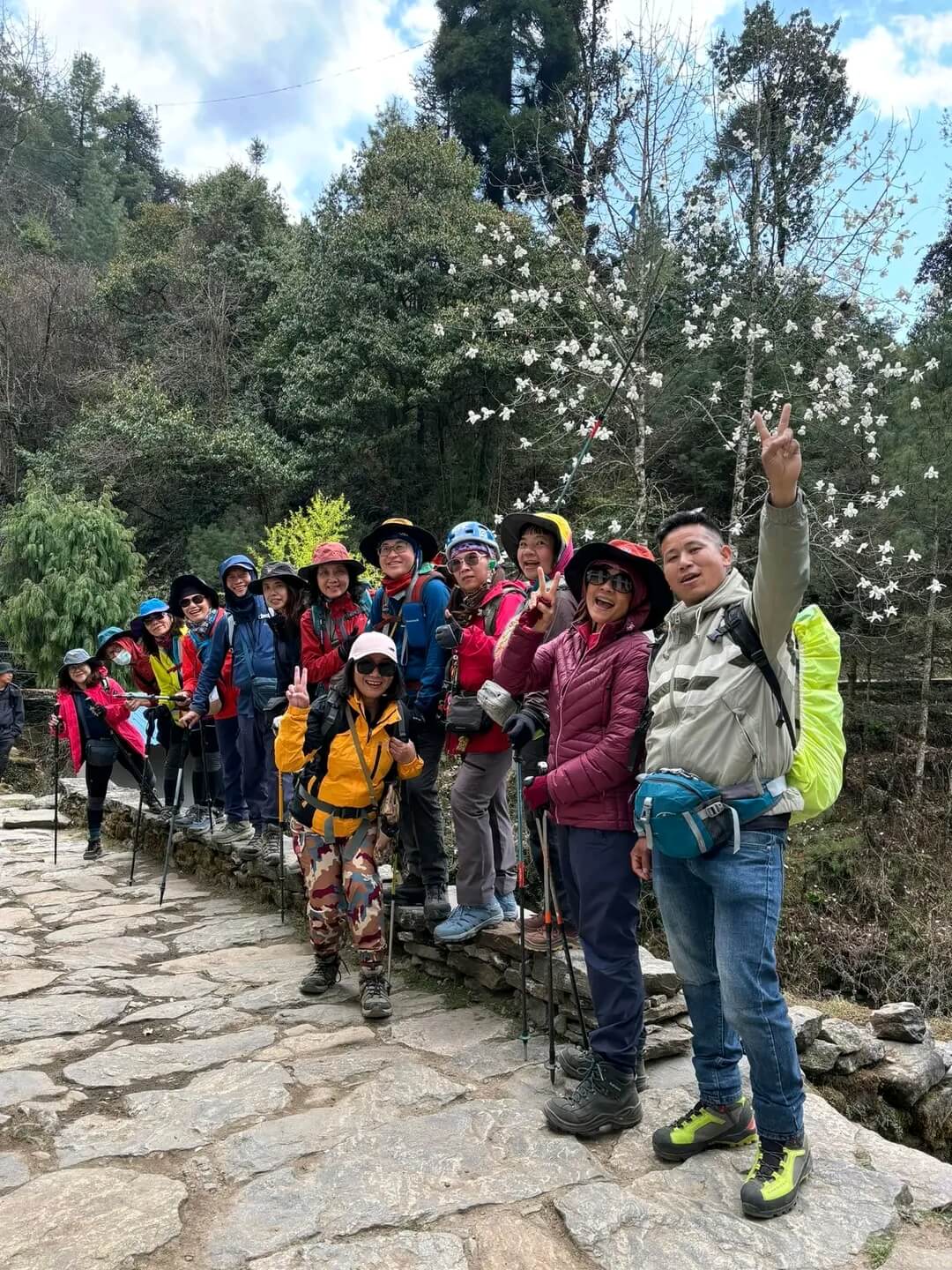
Along the way, you will pass through charming Sherpa villages like Phakding, Namche Bazar, ancient monasteries, and lush rhododendron forests. All are set against the majestic backdrop of the Himalayas.
Every step of this trek offers unforgettable views. Golden sunrises glow over snow-capped peaks. Vast, star-filled nights create memories that last a lifetime. Whether you are an avid hiker or a nature lover, this trip will amaze you with Nepal’s beautiful mountain forests.
Is the Everest Base Camp Trek Safe?
Yes, the Everest Base Camp Trek is a safe and rewarding experience with proper preparation, a suitable itinerary, and experienced local support. The main challenge is altitude, particularly the risk of acute mountain sickness (AMS) as you trek above 3,000 meters. That is why gradual acclimatization and a well-planned itinerary are important.
At Eco Nepal Trekkers, we plan our Everest Base Camp trips with appropriate acclimatization and a steady trekking pace. Our Everest Base Camp Trek 15 Day itinerary allows your body time to adjust as you gain elevation, with acclimatization periods where appropriate. Our guides also monitor your condition and help you make sensible decisions if you experience altitude-related symptoms.
You can further reduce risks by walking at a comfortable pace, staying properly hydrated, eating well, getting enough rest, and following your guide’s advice. Good physical preparation, suitable trekking gear, travel insurance, and a government-licensed guide are also important.
Weather is another factor to consider. Spring and autumn generally offer favourable trekking conditions, while winter and monsoon can bring colder temperatures, snowfall, rain, clouds, and more challenging trail conditions.
During the trek, use your equipment correctly, maintain good personal hygiene, and choose properly prepared food and drinking water. Most importantly, do not ignore symptoms of altitude sickness. If you feel unwell, inform your guide immediately and follow their advice about resting, descending, or seeking medical assistance.
With proper preparation, gradual acclimatization, experienced local guidance, and responsible trekking practices, you can greatly improve your chances of having a safe and enjoyable journey to Everest Base Camp.
Why Choose Everest Base Camp Trek with Eco Nepal Trekkers?
Everest Base Camp Trek Short Itinerary
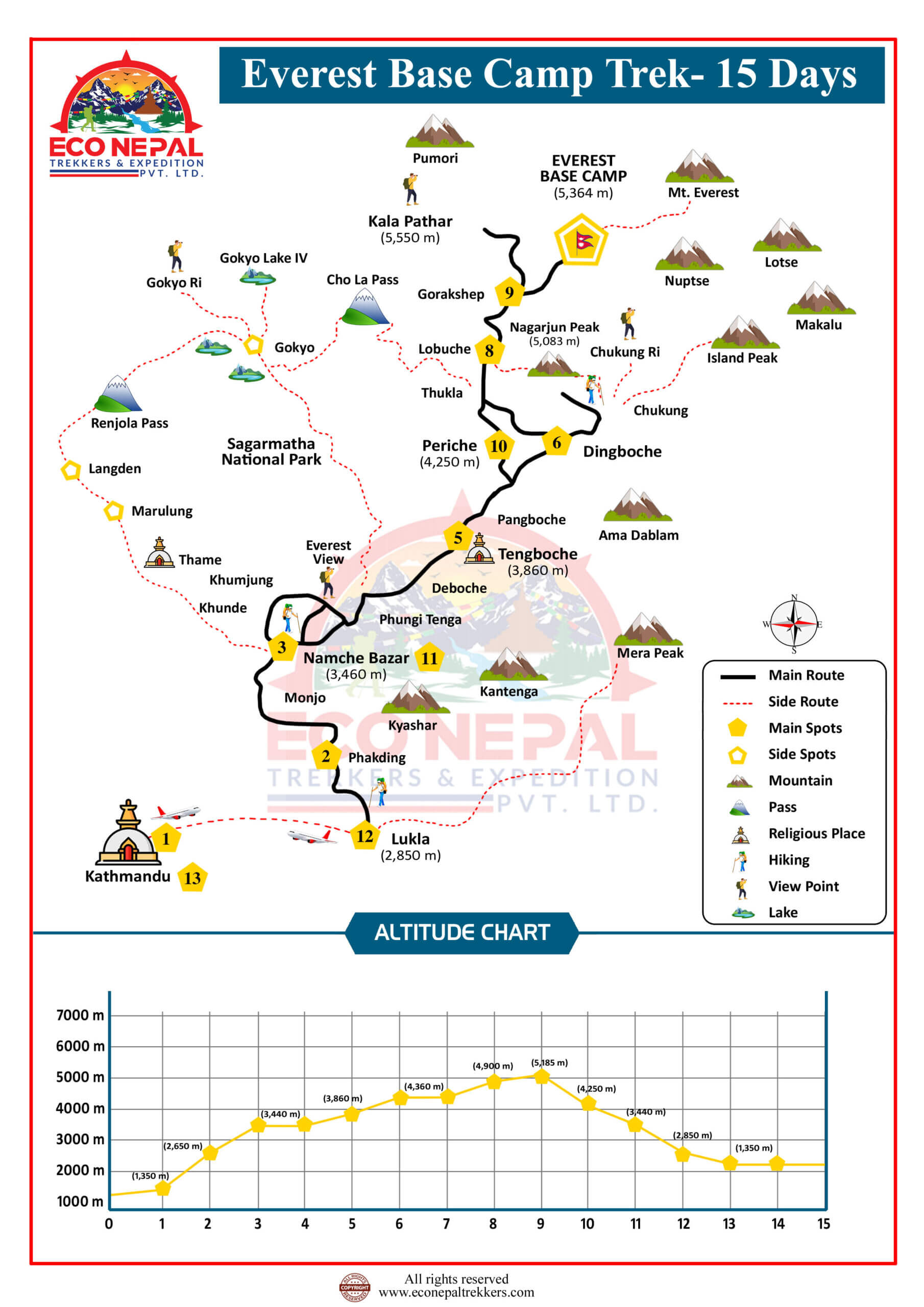
- Day 01: Arrival in Kathmandu (1,350 m/4,429 ft)
- Day 02: Fly from Kathmandu to Lukla (2,850 m/9,350 ft), 35 mins; Trek to Phakding (2,651 m/8,698 ft), 3-4 hrs
- Day 03: Trekking from Phakding to Namche (3,440 m/11,286 ft), 5-6 hrs
- Day 04: Acclimatization Day in Namche
- Day 05: Trekking from Namche to Tengboche (3,860 m/12,664 ft), 5-6 hrs
- Day 06: Trekking from Tengboche to Dingboche (4,410m), 4-5 hrs
- Day 07: Acclimatization Day in Dingboche
- Day 08: Trekking from Dingboche to Lobuche (4,900 m/16,076 ft), 4-5 hrs
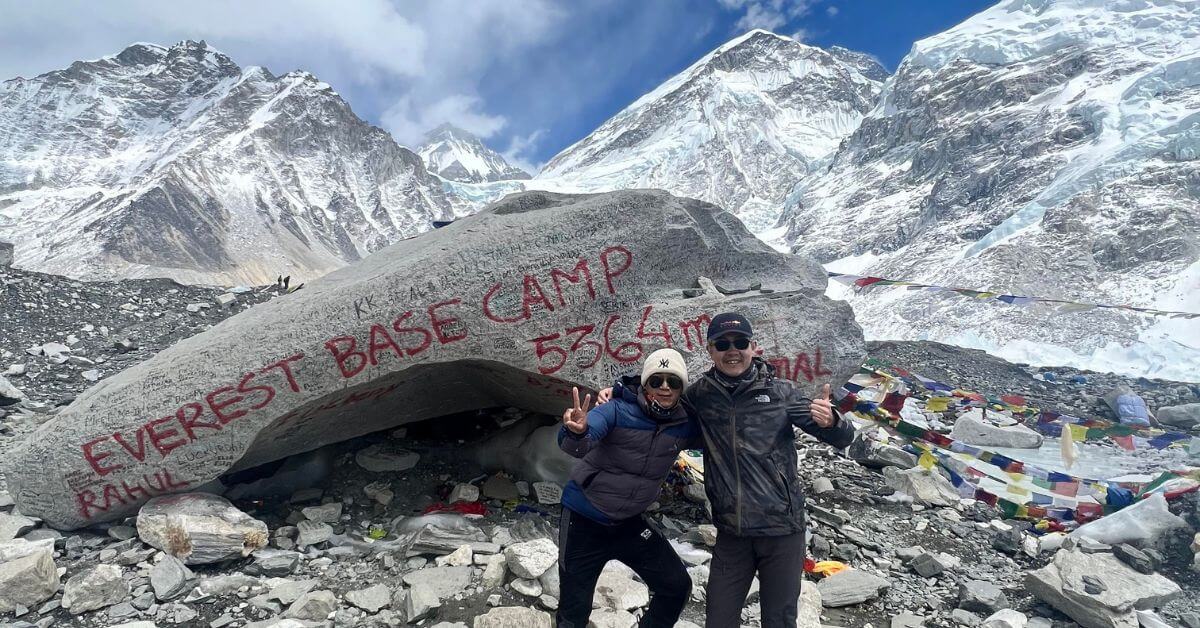
- Day 09: Trekking from Lobuche to EBC (5,364 m/17,598 ft); Trek back to Gorak Shep (5,160m/16,929 ft), 8-9 hrs
- Day 10: Morning hike to Kala Patthar (5,550 m/18,209 ft), Descend to Pheriche (4,250 m/13,944 ft), 7-8 hrs
- Day 11: Trekking from Pheriche to Namche Bazaar(3,440 m/11,286 ft), 6-7 hrs
- Day 12: Trekking from Namche to Lukla (2,850 m/9,350 ft), 5-6 hrs
- Day 13: Fly from Lukla to Kathmandu (1,350 m/4,429 ft), 35-40 mins
- Day 14: Sightseeing in Kathmandu
- Day 15: Final Departure
Customize your trekking package in Nepal with our local experts, tailored to your time, budget, and adventure level.
Detailed Itinerary
Day 01: Arrival in Kathmandu (1,350 m/4,429 ft)
Trek Distance
N/A
Highest Altitude
Kathmandu (1,350 m/4,429 ft)
Trek Duration
N/A
Meals
Breakfast
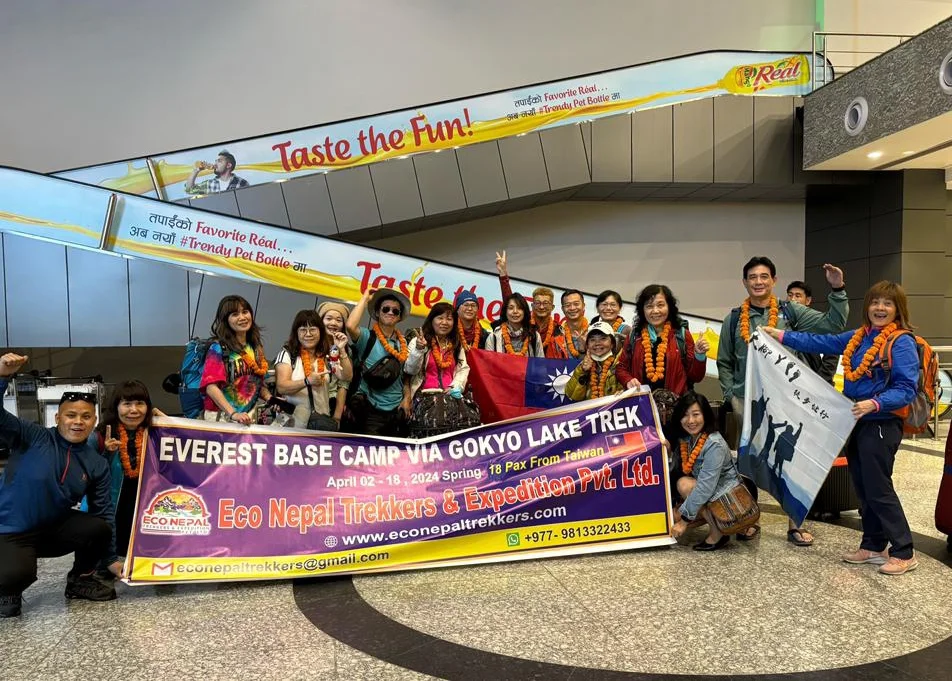
It’s the day you arrive at Tribhuwan International Airport. Our representatives will pick you up and drop you off in Thamel. Thamel is a popular tourist area where you can find almost everything you need for your trek.
After your arrival, you can explore the city and visit several eateries offering both local and international cuisine. Also, consider spending time and money now if you need gear for your trek. If you buy it during the trek starting tomorrow, it may cost more.
Later, get back to the hotel and get some rest after a tasty local Nepali dinner.
Day 02: Fly from Kathmandu to Lukla (2,850 m/9,350 ft), 35 mins; Trek to Phakding (2,651 m/8,698 ft), 3-4 hrs
Trek Distance
8 km
Highest Altitude
Lukla (2,850 m/9,350 ft), Phakding (2,651 m/8,698 ft)
Trek Duration
35 mins,3-4 hrs
Meals
Breakfast /Lunch /Dinner
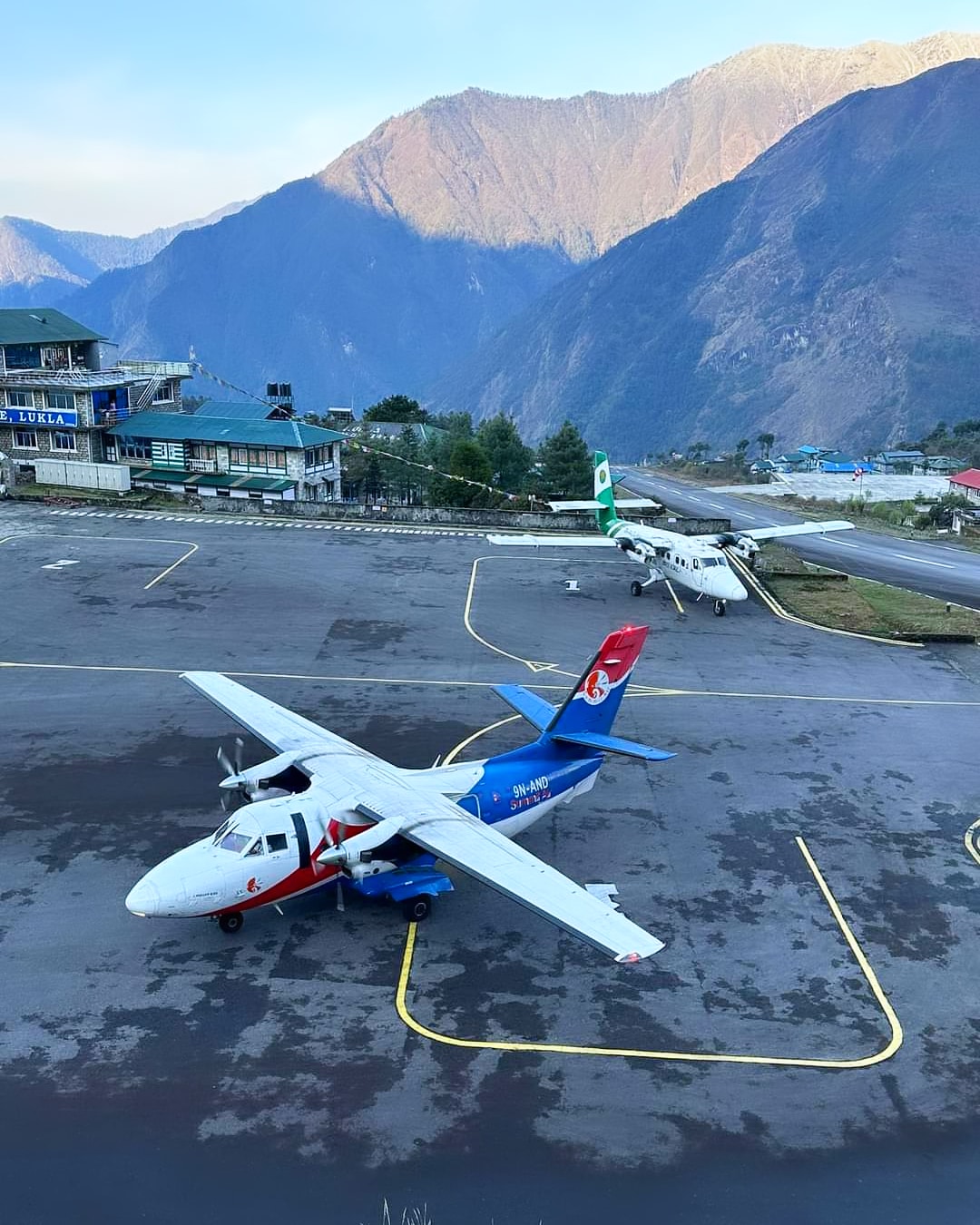
It’s the second day of the trek. Our representatives will pick you up from your hotel. They will take you to TIA’s domestic terminal. The flight will take you around 35 minutes, and then you will reach Lukla.
You will be at Tenzing Hillary Airport, where you can find porters to carry your luggage. We trek through Cheplung village, enjoying the beautiful banks and vistas of the Dudh Koshi River.
We reach Phakding after trekking for 3-4 hours. After reaching Phakding, you can enjoy your 3-course meals, and we will rest here for a day.
Note: During the Peak Season, Flights to Lukla do not operate directly from Kathmandu. Instead, You have to travel Ramechhap ( Manthali) Airport to Catch your Flight for Lukla.
If you want to know in detail about the Flights, Read Our Blog: Kathmandu to Lukla and Ramechhap to Lukla Flight
Day 03: Trekking from Phakding to Namche (3,440 m/11,286 ft), 5-6 hrs
Trek Distance
7.4 km
Highest Altitude
Namche (3,440 m/11,286 ft)
Trek Duration
5-6 hrs
Meals
Breakfast /Lunch /Dinner
On this day, we will have our breakfast and head towards Namche. We cross several suspension bridges over the Dushkoshi first.
Later, we pass villages like Bhenkar and Monjo.
Then, we enter Sagarmatha National Park.
The Hillary Suspension Bridge will be our last suspension bridge before we start trekking uphill and then reach Namche. Namche will offer you a large variety of restaurants and pubs, including ATMs. We will rest for the day here in Namche.
Day 04: Acclimatization Day in Namche
Trek Distance
N/A
Highest Altitude
Namche (3,440 m/11,286 ft),Khumjung village
Trek Duration
5-6 hours
Meals
Breakfast /Lunch /Dinner
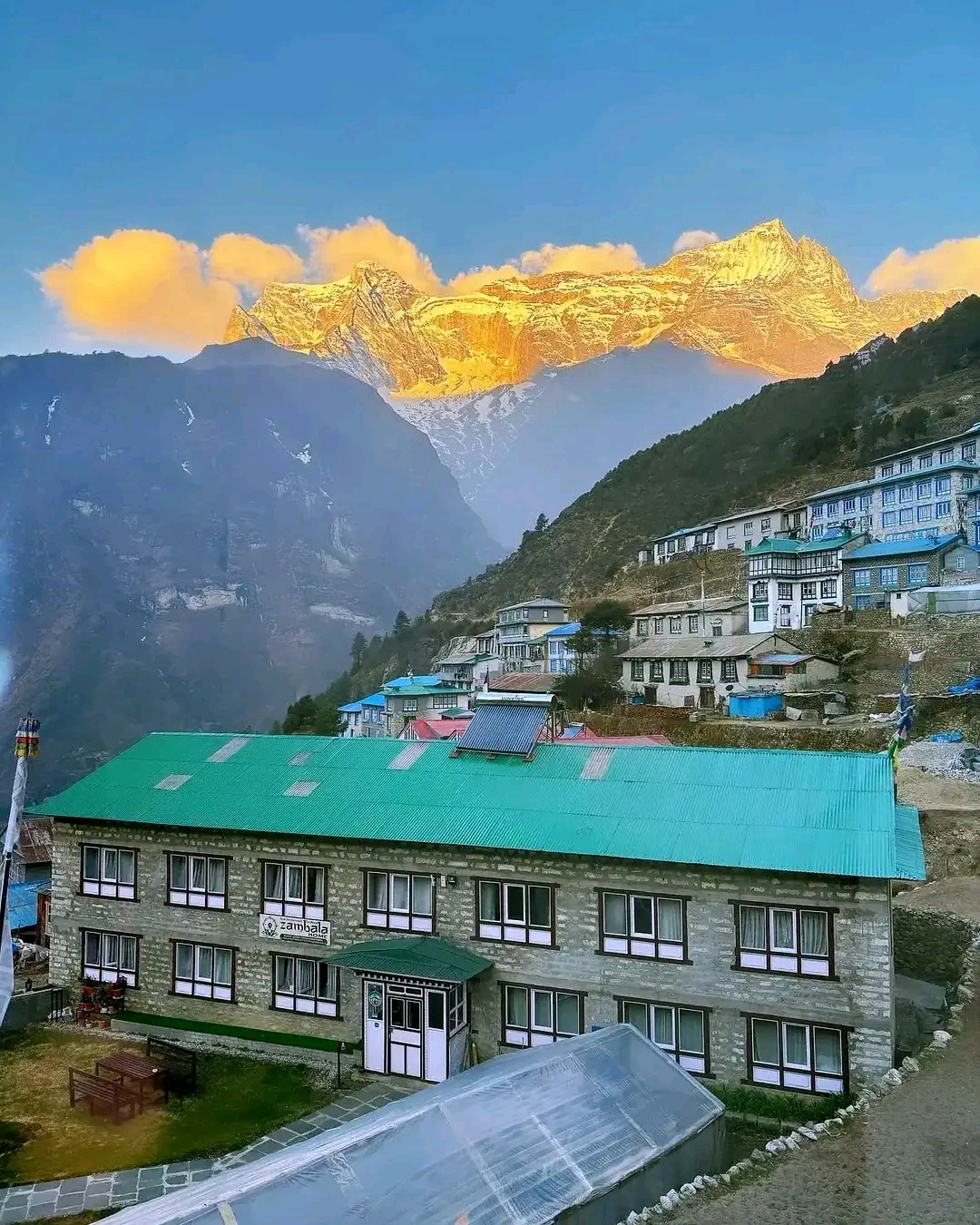
Today, we will be taking it slow as the day is for acclimatization in Namche. We will not aim for much height today because this plan is made to avoid altitude sickness.
It is a day for you to rest, but you can still explore Namche, which boasts several Tibetan monasteries and scenic viewpoints. We will stay overnight in a teahouse.
Day 05: Trekking from Namche to Tengboche (3,860 m/12,664 ft), 5-6 hrs
Trek Distance
9.2 km
Highest Altitude
Tengboche (3,860 m/12,664 ft)
Trek Duration
5-6 hrs
Meals
Breakfast /Lunch /Dinner
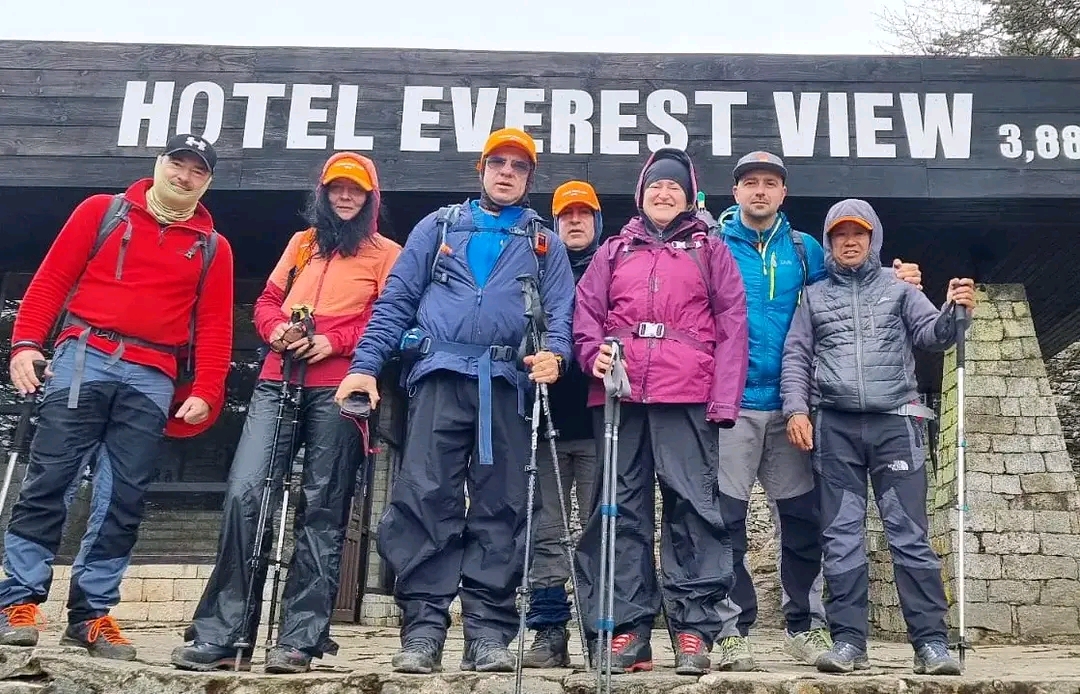
We will follow Dudh Kosi along with the beautiful vistas of Mt. Everest, Lhotse, and Amadablam. You will be trekking for around 5-6 hours and reach an altitude of 3,800 meters when you reach Tengboche.
Tengboche is a beautiful village with mani walls and Tibetan monasteries. You can also learn more about the local culture. After reaching Tenboch, we will have our dinner and rest here for the day.
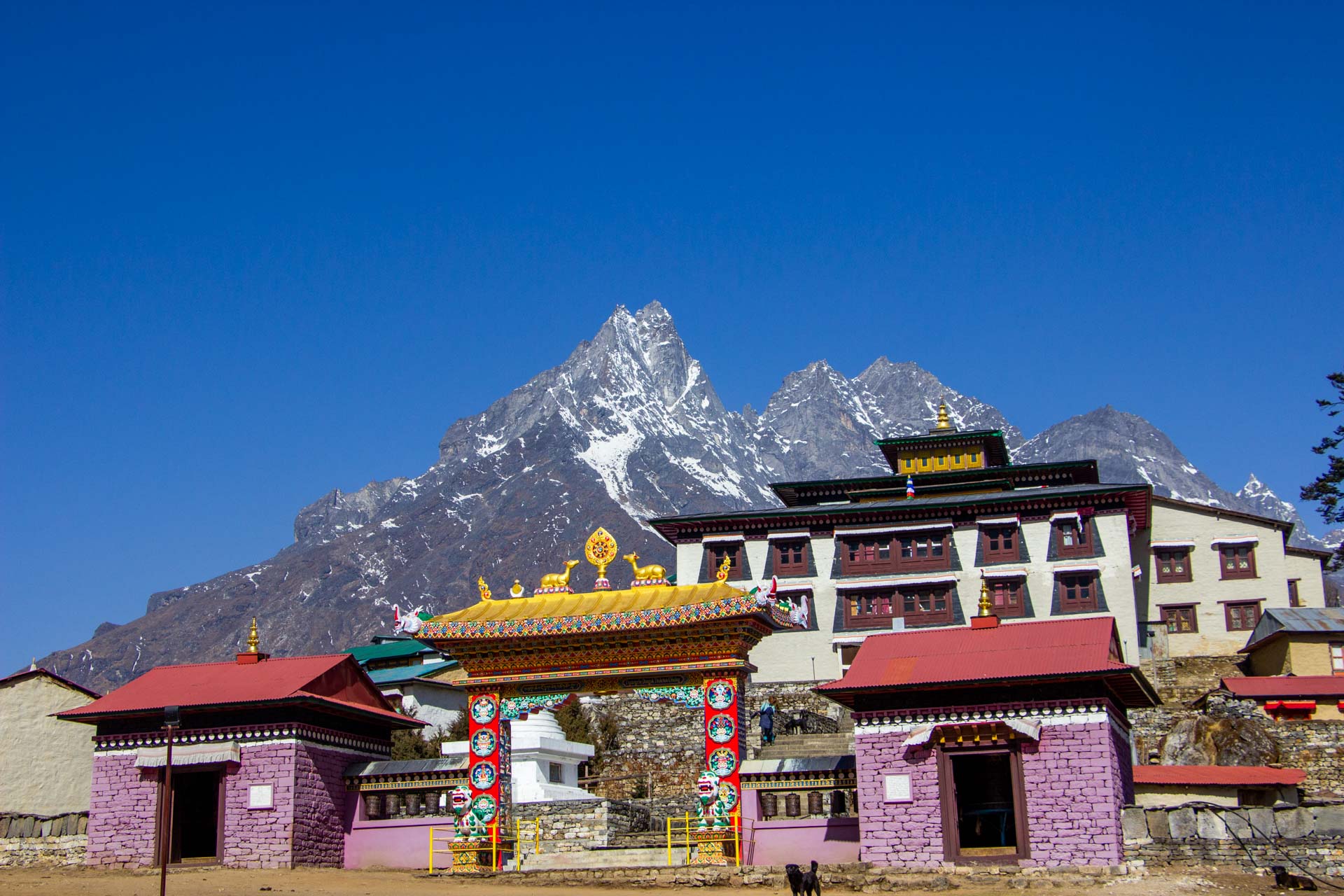
Day 06: Trekking from Tengboche to Dingboche (4,410m), 4-5 hrs
Trek Distance
10.5 km
Highest Altitude
Dingboche (4,410m)
Trek Duration
4-5 hrs
Meals
Breakfast /Lunch /Dinner
Today, we will undoubtedly be trekking, but not at a strenuous level, as we will be trekking for only 4-5 hours. We will be hiking from Tengboche to Dingboche today. The trek will take you through the beautiful villages of Somare and Orsho.
Later, you will hike through a steep climb to reach Dingboche, located at an elevation of 4360 m. We will be staying in a teahouse in Dingboche.
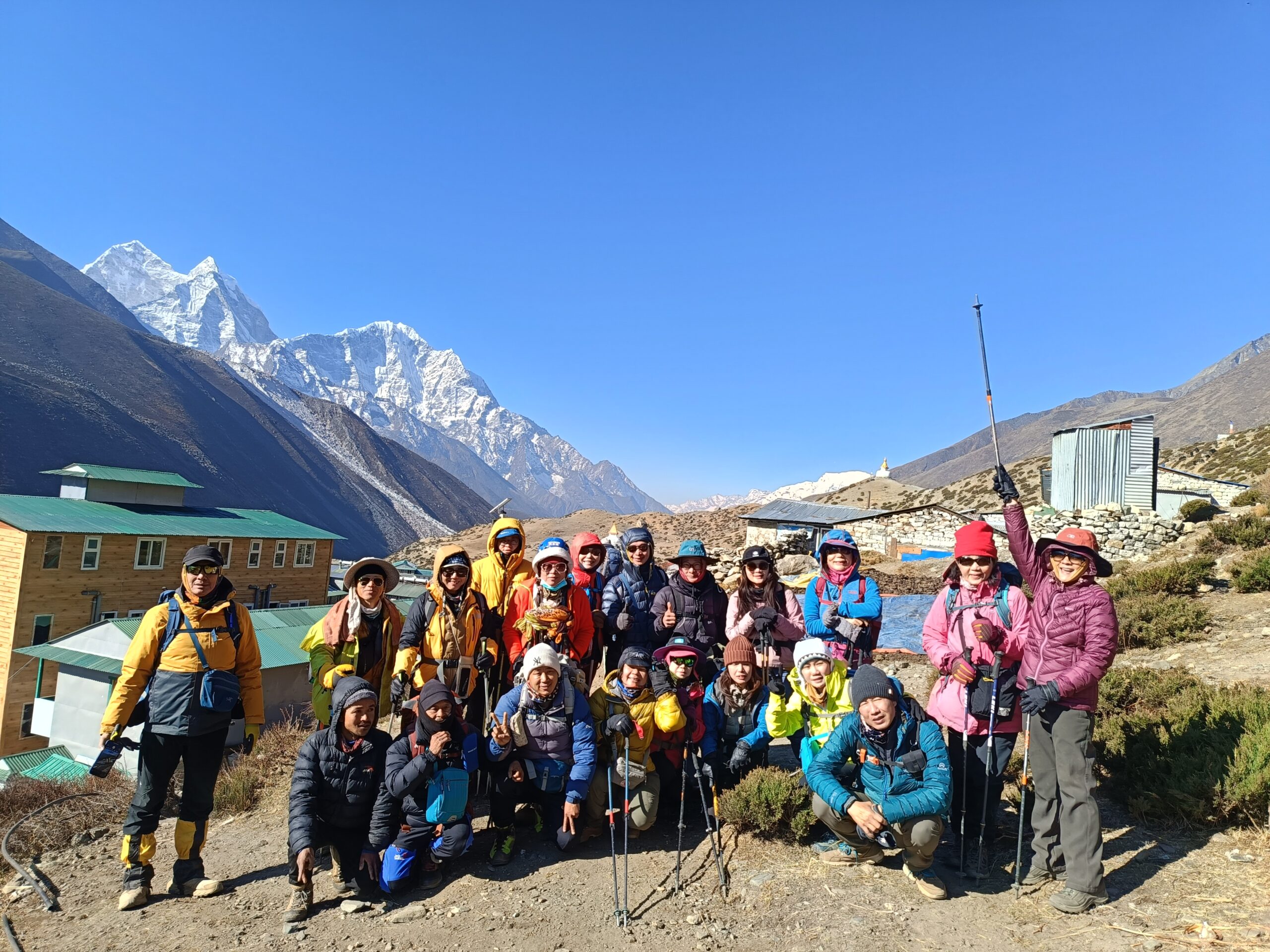
Day 07: Acclimatization Day in Dingboche
Trek Distance
N/A
Highest Altitude
Dingboche (4,410 m) Nagarjun hill 5100m
Trek Duration
4-5 hrs
Meals
Breakfast /Lunch /Dinner
Upon reaching Dingboche, it is a village at a height of 4,360m, so we will not be trekking further for the day. The acclimatization day in Dingboche helps prevent altitude sickness. It is also a trek checkpoint. We will gain more height in the remaining days.
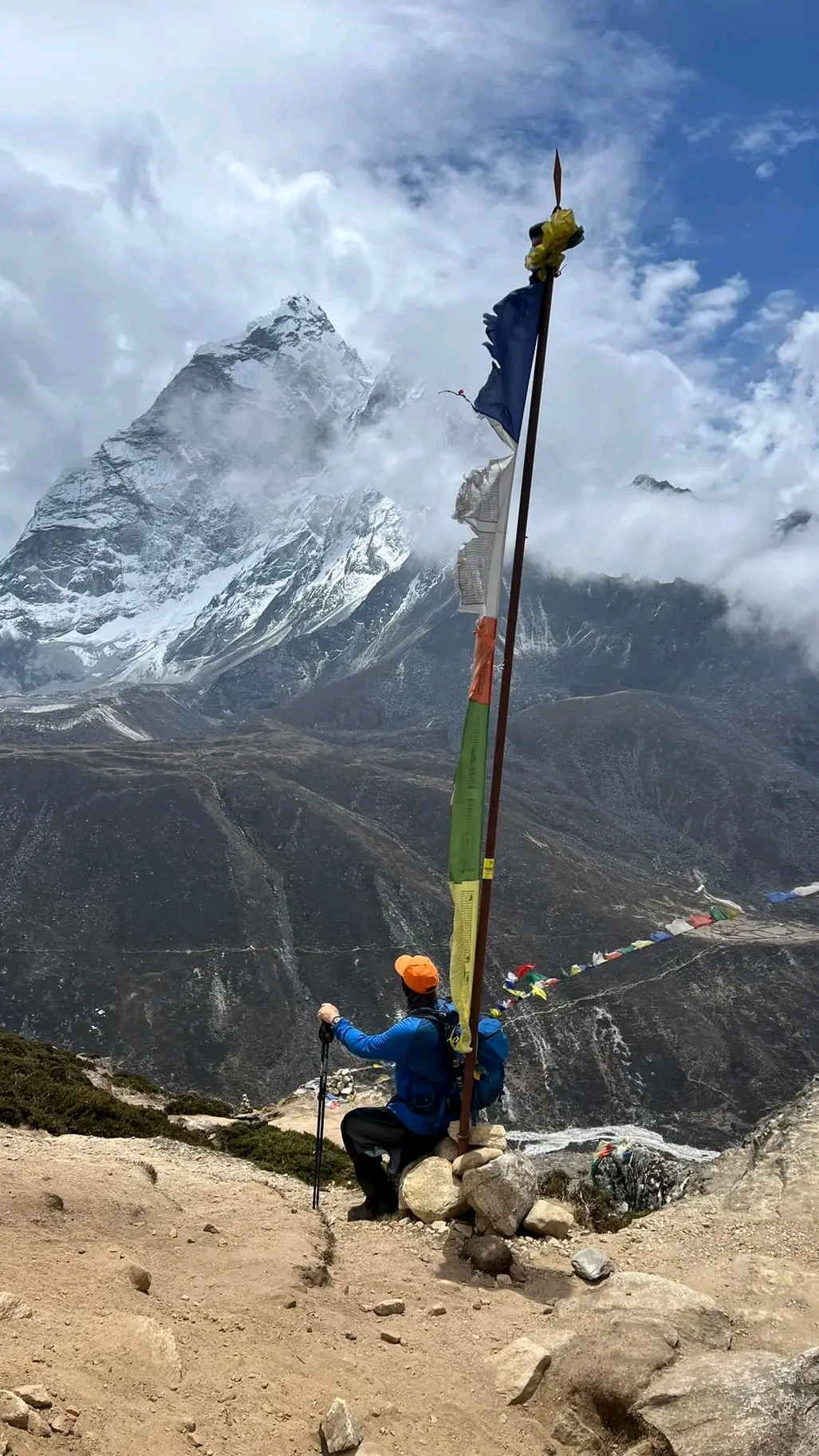
Day 08: Trekking from Dingboche to Lobuche (4,900 m/16,076 ft), 4-5 hrs
Trek Distance
10 km
Highest Altitude
Lobuche (4,900 m/16,076 ft)
Trek Duration
4-5 hrs
Meals
Breakfast /Lunch /Dinner
It’s the 8th day, and we will be hiking towards Lobuche, which will take us around 4-5 hours. Lobuche is a village with fantastic views of Lobuche East and Lobuche West. Lobuche is also close to both peaks.
We will be reaching Lobuche in the evening, and you can enjoy a beautiful sunset from a height of 4,900 m. We will stay overnight in a teahouse.
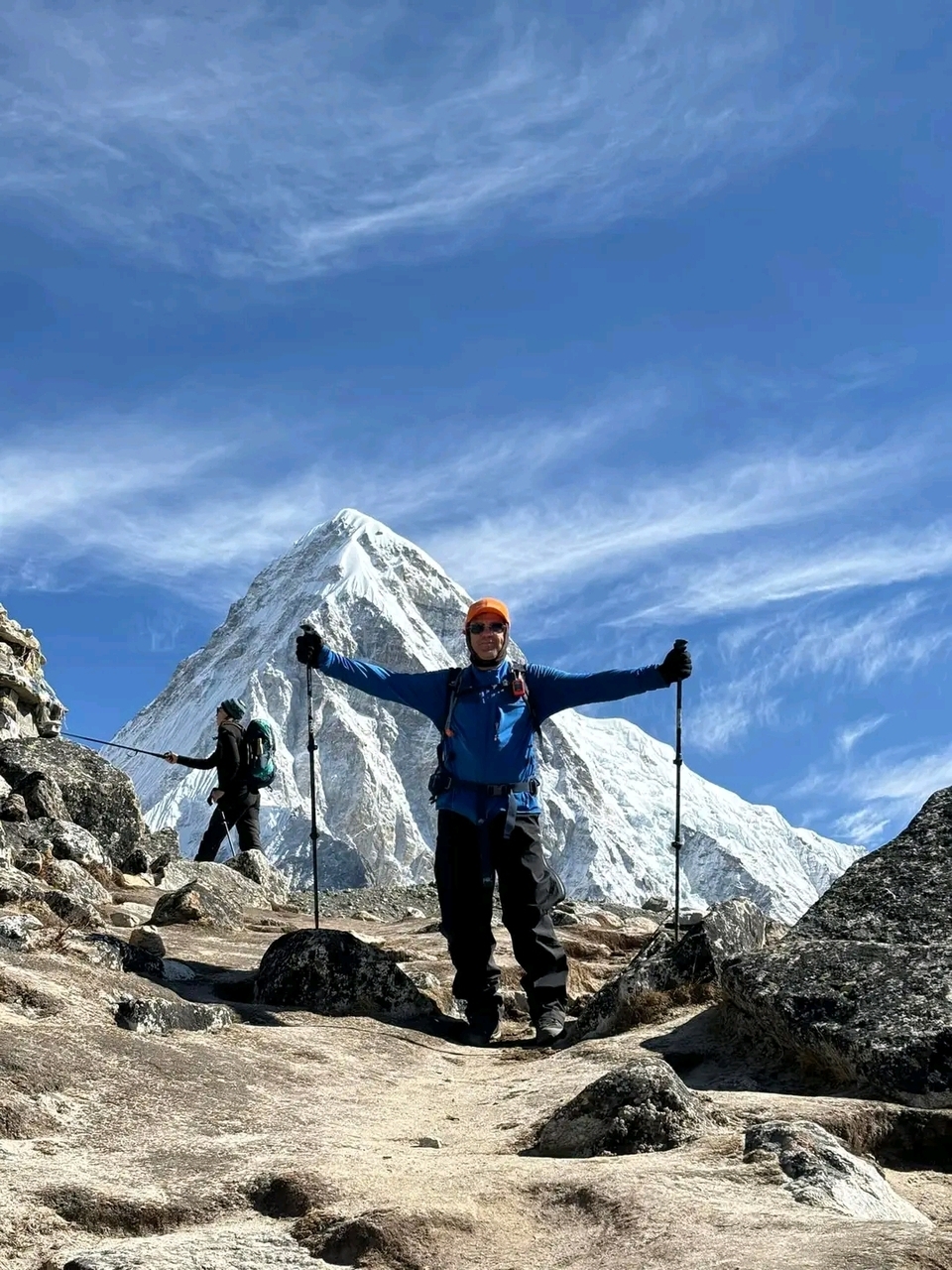
Labuche
Day 09: Trekking from Lobuche to EBC (5,364 m/17,598 ft); Trek back to Gorak Shep (5,160m/16,929 ft), 8-9 hrs
Trek Distance
4.5 km
Highest Altitude
EBC (5,364 m/17,598 ft)
Trek Duration
8-9 hrs
Meals
Breakfast /Lunch /Dinner
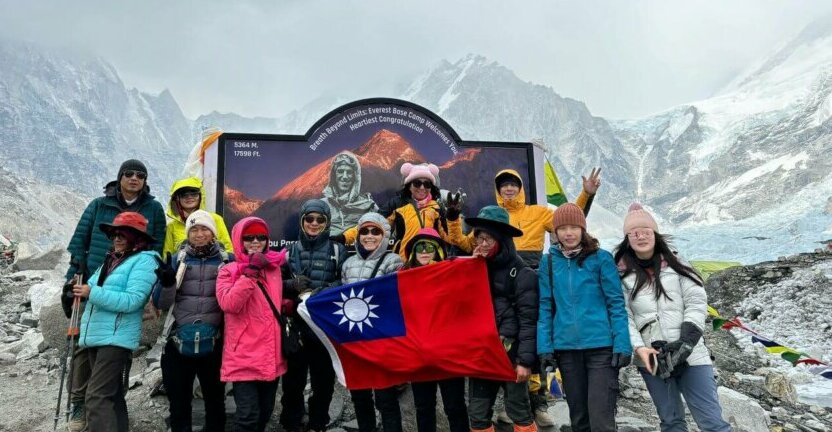
It’s the day we’ve all been waiting for. Yes, we will hike to the Everest Base Camp, which is at a height of 5,364 m. We will be on a journey of about 8-9 hours altogether today, where we will pass through the rocky dunes of Gorak Shep.
You can see some of the world’s highest peaks from the Everest Base Camp and enjoy your time to the fullest. Don’t forget to take lots of photos, as it will be a trek to remember for a lifetime.
After exploring Base Camp for a few hours, we will descend to Gorak Shep (5,160 m). We will stay there for the night.
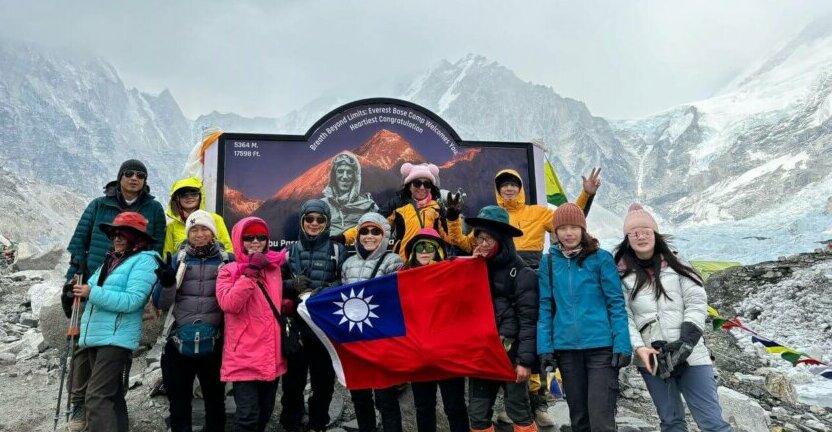
Day 10: Morning hike to Kala Patthar (5,550 m/18,209 ft), Descend to Pheriche (4,250 m/13,944 ft), 7-8 hrs
Trek Distance
9.6 km
Highest Altitude
Kala Patthar (5,550 m/18,209 ft), Pheriche (4,250 m/13,944 ft)
Trek Duration
7-8 hrs
Meals
Breakfast /Lunch /Dinner
On this very day, we will be starting in the early morning for Kala Patthar (5,545 m). Along the trek, we will be offered breathtaking views of Khumbuste, Lingtren, and Changste Himal.
Upon reaching Kala Patthar after 3 to 4 hours, you will have a great chance to see Mount Everest. You can enjoy a 360-degree view from above. After enjoying the beautiful view for a while, we will descend to Pheriche(4,250m) because that’s where our night will be spent.
Day 11: Trekking from Pheriche to Namche Bazaar(3,440 m/11,286 ft), 6-7 hrs
Trek Distance
14.3 km
Highest Altitude
Namche Bazaar(3,440 m/11,286 ft)
Trek Duration
5-6 hrs
Meals
Breakfast /Lunch /Dinner
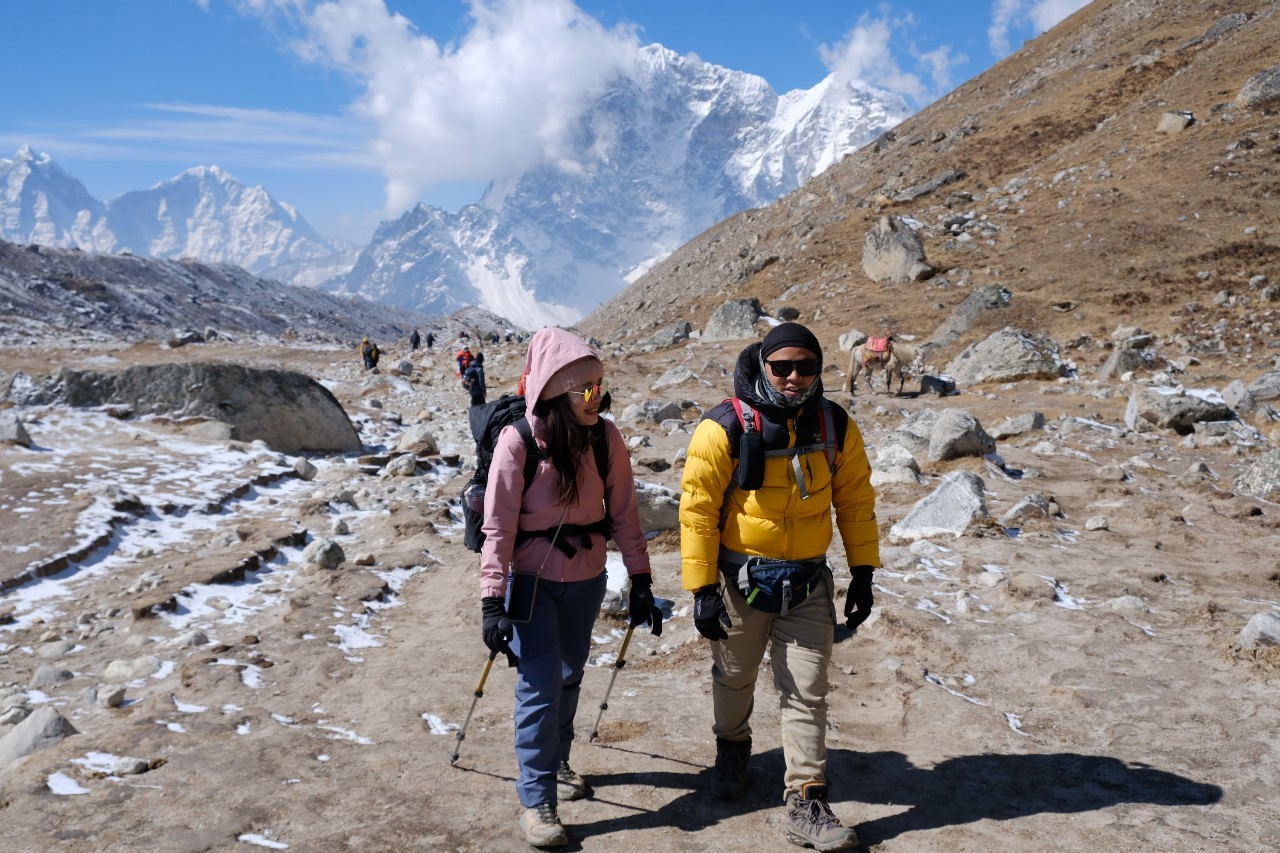
From Pheriche, we will descend back to Namche Bazaar through the banks of Imja Khola and lush rhododendron forests. It will take us around 6-7 hours to get back to Namche Bazaar.
Along the way, if we are lucky, we can see species like mountain goats and snow leopards while passing through the forest areas. Upon reaching Namche Bazaar, you can buy some souvenirs for your loved ones and also check if something is missing. We will have dinner and rest to prepare for tomorrow.
Day 12: Trekking from Namche to Lukla (2,850 m/9,350 ft), 5-6 hrs
Trek Distance
17.7 km
Highest Altitude
Lukla (2,850 m/9,350 ft)
Trek Duration
5-6 hrs
Meals
Breakfast /Lunch /Dinner
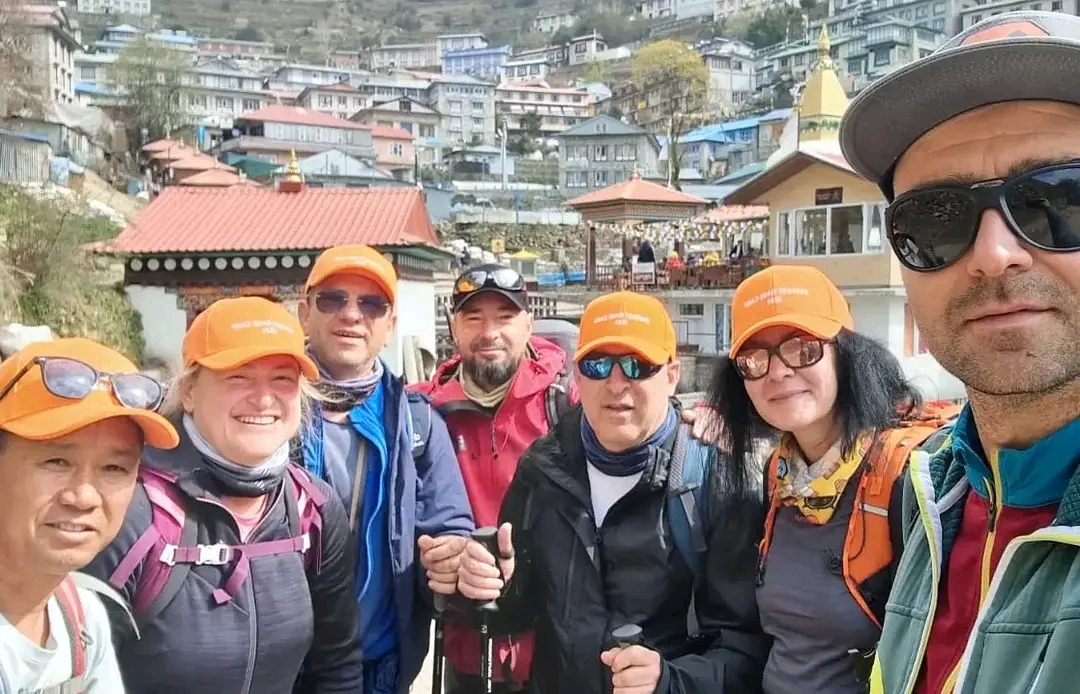
It’s day 12 of our trek, and we will be leaving beautiful Namche as well as the other beautiful places behind.
We will descend to Lukla back again and take it slow and steady, and we will reach around 5-6 hours. You will still have a chance to buy anything to take back as an element for remembrance.
Upon reaching Lukla, you can still see slight views of the mountain ranges. We will be resting in a lodge in Lukla.
Day 13: Fly from Lukla to Kathmandu (1,350 m/4,429 ft), 35-40 mins
Trek Distance
138 km
Highest Altitude
Kathmandu (1,350 m/4,429 ft)
Trek Duration
35-40 mins
Meals
Breakfast
Well, it’s our last day in the Everest region, but don’t worry. You will see breathtaking views of the Himalayan ranges on our scenic flight from Lukla to Kathmandu.
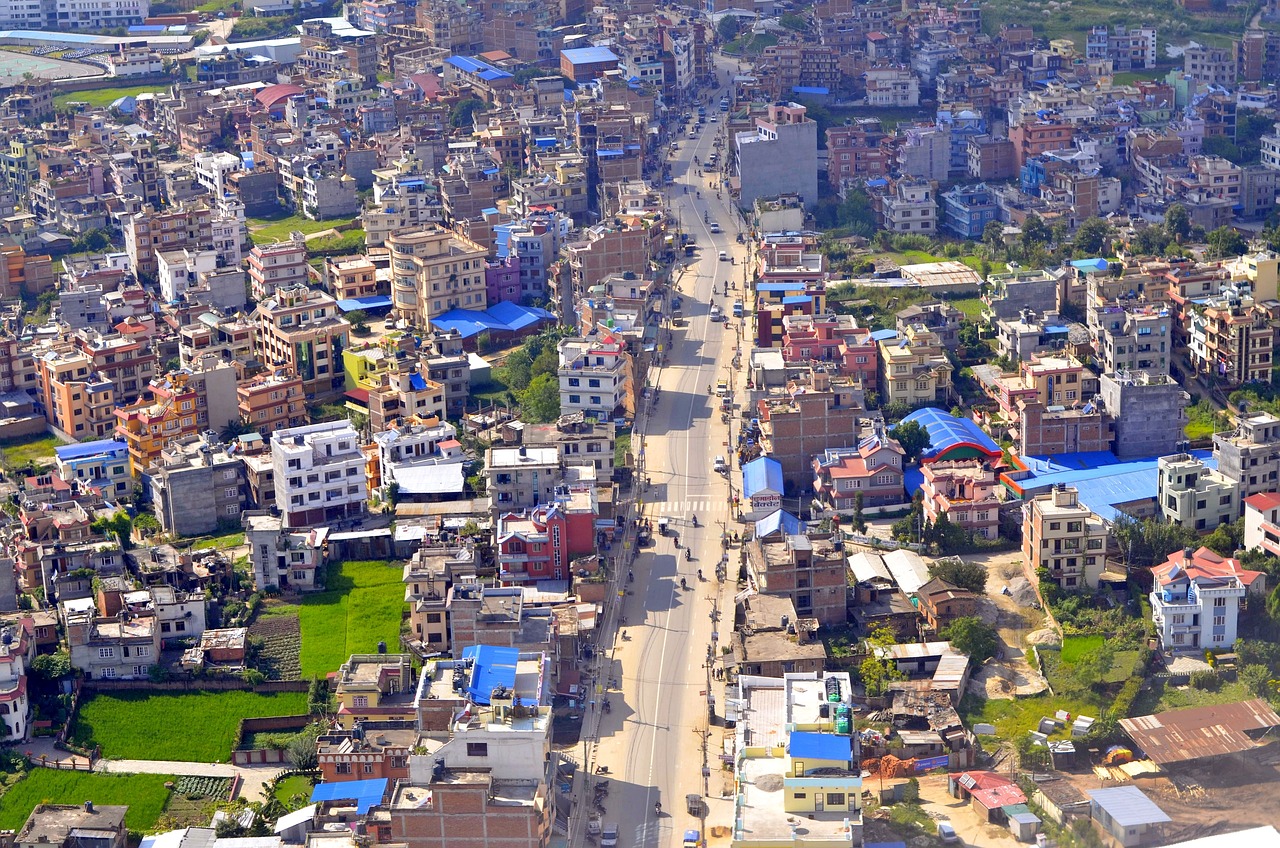
The flight will take us around 35-40 minutes to return to Kathmandu. Our representatives will take you to a hotel in Thamel. And that is the place you will spend your time resting after a long trek.
Day 14: Sightseeing in Kathmandu
Trek Distance
N/A
Highest Altitude
Kathmandu (1,350 m/4,429 ft)
Trek Duration
5-6 hrs
Meals
Farewell Dinner
On the 14th day of our journey, we will explore Kathmandu Valley. We have surely explored the Everest region, but Kathmandu still has more to explore.
We will visit World Heritage Sites such as Pashupatinath Temple, Bouddhanath Stupa, and Swayambhunath, known as the Monkey Temple. We will also visit Patan Durbar Square.
After spending a day strolling around Kathmandu, you can visit pubs and eateries if you keep that as a recreational activity. Enjoy your day to the fullest, and later be accommodated in a Hotel in Thamel.
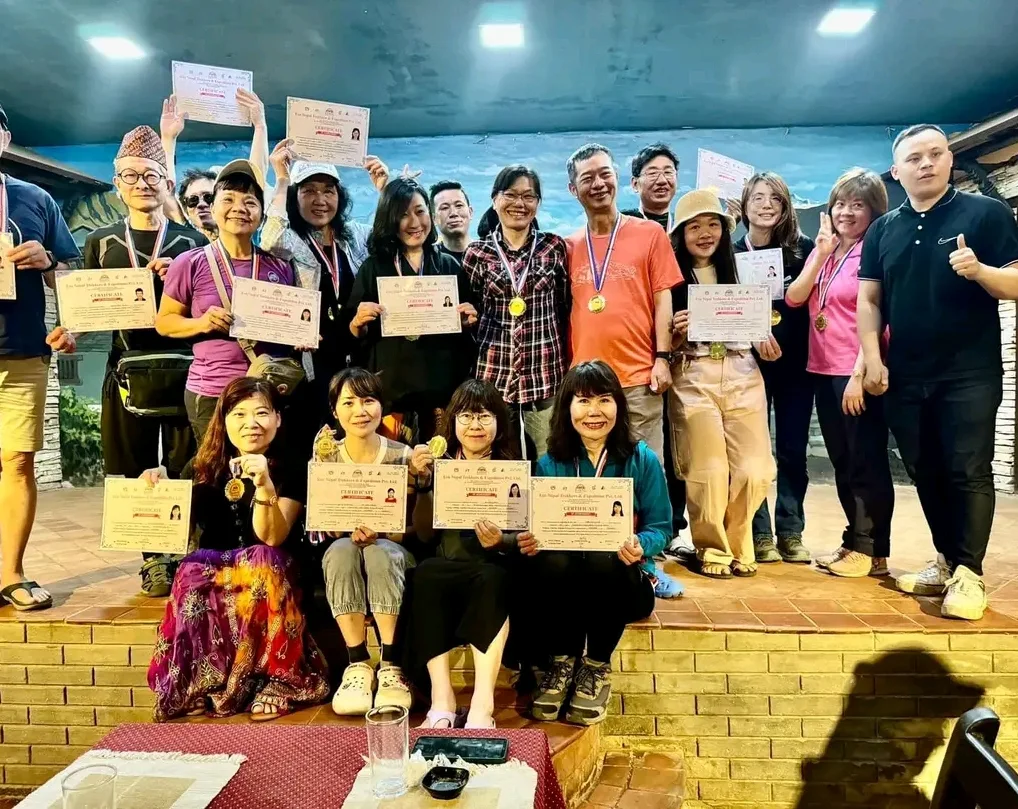 Farewell with an achievement certificate
Day 15: Final Departure
Trek Distance
N/A
Highest Altitude
1,350m at Kathmandu
Trek Duration
N/A
Meals
Breakfast
It’s quite unfortunate that it’s the day we bid goodbye to each other. Hope you had a great time and a beautiful trek with us.
We don’t take goodbyes as a full stop that we will be parting ways of our own from this very day. We can meet someday if you want to explore trekking in Nepal with a well-managed itinerary.
Trip Map
Cost Includes
- Airport pick-up and drop-off by private car/hiace/, or bus, depending on group size.
- All-around transportation from Kathmandu to and from Ramechhap
- Domestic Flight Ticket & domestic Airport Tax
- 3 nights 3-star hotel accommodation in Kathmandu on twin-sharing basis with breakfast
- Three Meals a day during the trek, including Breakfast, Lunch, and Dinner.
- Three times a cup of tea or coffee along the trek.
- Every night, Seasonal fruits after dinner during the trek
- Sagarmatha/Everest National Park and TIMS (Trekkers’ Information Management System) Permits.
- All accommodations will be Tea Houses and Lodges during the trek
- An experienced guide who the government licenses
- A porter is Available to carry your luggage during the trek. One porter assists two clients.
- All transportation as per the itinerary
- Experienced Cultural license holder, Tour Guide for sightseeing
- Private Vehicle for Kathmandu Valley sightseeing
- Farewell dinner in a typical Nepali restaurant
- Achievement Certificate after completing the Trek
- All expenses related to Guide and Porter (including wages, accommodation, meals, gear, insurance, and required medications will be covered.)
- First Aid Box during the trek
- Eco Nepal Trekkers’ Duffel bag is available and can be returned after the trek.
- Helicopter rescue services are available for emergencies and must be paid for by your travel insurance company.
- Government taxes, VAT, and office service charge.
Cost Excludes
- Nepal entry visa fee
- International flight ticket fare and airport departure tax
- Travel insurance, including high-altitude emergency evacuation coverage
- Your Personal Equipment for the trek
- Lunch and dinner meals in Kathmandu
- Kathmandu Sightseeing entrance fee
- Your personal expenses, personal hygiene, Hot Shower, WiFi, bar and beverage bills, alcohol drinks, Mineral water, hot water, coffee, and telephone calls during the trek
- Tips for your Guide & Porter as well as Driver
Good To Know
Everest Base Camp Trek Permit
Earlier, you needed three permits to trek Everest BC in Nepal.
These were the Khumbu Pasang Lhamu Rural Municipality Permit, the Sagarmatha National Park Permit, and the TIMS Card (Trekkers’ Information Management System).
But now you can travel to Everest Base Camp without a TIMS card.
You only need the other two permits.
- Khumbu Pasang Lhamu Rural Municipality Permit: NRP 3000
- Sagarmatha National Park Permit: NRP 3000
This allows you to easily get in Lukla or Kathmandu. You need just your passport and a passport-size photo.
If you want to know in detail about the Everest Base Camp Trek Permit, Read Our Blog: Everest Base Camp Trek Permit
Everest Base Camp Trek Accommodation
The Everest BC Trek has many places to stay.
You can choose from simple teahouses or luxury lodges.
This makes it easy to match your budget. But most trekkers prefer to stay in traditional teahouses during the trek.
These are simple, family-run lodges. They offer twin beds with thin mattresses. Bathrooms are shared, with squat toilets at higher altitudes.
There are communal dining areas heated by stoves. These budget-friendly options ($4-$10 per night) offer an authentic Himalayan experience,
For those wanting more comfort, there are luxury lodges.
These are common in Lukla, Namche Bazaar, and Gokyo.
They offer private rooms with attached bathrooms.
You can also expect hot showers and warm dining areas.
They also serve good-quality food. These budget-friendly options ($50-$250 per night) vary in amenities.
Overall EBC Trek Accommodation Quality Table:
| Accommodation | Quality |
| Kathmandu | 3-star Hotel with High Standard |
| Lukla to Namche | Basic to Luxury Lodge |
| Tengboche to Dingboche | Basic Tea House |
| Lobuche to Ghorakshep | Basic Tea House |
Everest Base Camp Trek Meals
While trekking to EBC, you might wonder what the food arrangements are like. But don’t worry.
Every tea house and lodge on the trek has a menu. It includes Nepali, Tibetan, Western, and other international dishes. You can easily order from the menu.
During this trek, you can enjoy porridge, Tibetan bread, eggs, pancakes, muesli, hot milk, tea, coffee, and other breakfast items.
And you can choose from many items for lunch and dinner.
These include popular Nepali food like Dal Bhat, known as “Dal Bhat Power 24 Hours.”
You can also get Chowmein, Thukpa, Sherpa Stew, noodles, Mhamh, pasta, and pizza.
Potato chips and many kinds of soups are also available.
Snacks and hot drinks are easy to buy too.
So you have good food facilities while trekking to Everest Base Camp.
If you want to know full details about the food and drinks on the EBC Trek, you can read our blog: Food and Drinks on Everest Base Camp Trek
Insurance For the Everest Base Camp Trek
This trek is an adventure to the 5,364-meter Himalayas, where insurance is a must. It is wise to have it so you can travel safely. When insuring for this trek, consider special coverage for extreme altitude and altitude sickness treatment. Mandatory helicopter rescue in Nepal can cost $5,000 or more.
You should also ensure coverage for risks excluded from other common plans, such as flight detours, and cover your belongings.
Typically costing $100-300 for 2-3 weeks. Always confirm altitude limits in writing. Carry printed proof of helicopter evacuation coverage, as Nepalese authorities require it. Purchase insurance well in advance of your trip.
Some insurers may void insurance claims if you purchase it after booking your flight. This targeted protection protects you from financial ruin while you focus on the challenges of the iconic trek.
WiFi and Electricity on the Everest Base Camp Trek
While trekking to Everest Base Camp, you can find Wi-Fi and charging for your devices. These include a mobile, a camera, and a power bank.
Tea houses and lodges often offer these services. And you may think it is free or has a fee. Since it is a mountainous area, lodges and tea houses charge for Wi-Fi. They also charge for device use.
Internet services are provided by Everestlink or Ncell for Wi-Fi here. Which Wi-Fi has to be used through a card and usually costs $3 – $10 per hour.
The higher the altitude, the more expensive it becomes. Not only that, but the slower the internet connection becomes.
Therefore, most travellers buy SIM cards from local providers like Nepal Telecom (NTC) and NCELL in Kathmandu.
They use mobile data to access the internet. However, these SIMs work well only in certain places. These places include Lukla, Namche, and Tengboche.
They sometimes work in Dingboche. They may also work between Labuche and Ghorkshep.
So, buying a SIM from Kathmandu and travelling is also highly recommended.
Another thing about electricity: while travelling here, it is easy to charge your devices at any teahouse or lodge. However, it does cost money. Usually, it costs $2-$6 per hour.
As mentioned above, it also gets more expensive the higher the altitude, the more expensive it becomes. Therefore, it is wise to carry a power bank with more than 20,000mAh capacity. It can easily charge your devices at high altitudes. It also helps reduce costs even further.
Everest Base Camp Trek Difficulty
The Everest Base Camp trail is challenging and requires physical and mental fitness. The walk is noted for its high altitude and rugged terrain, which may put even experienced trekkers to the test. Before going on this adventure, it is critical to understand the level of difficulty.
The Everest Base Camp Trek Difficulty is categorized as moderately challenging. Steep ascents and descents, rocky roads, and high-altitude conditions characterize the track. Altitude-related problems, such as decreasing oxygen levels, can lead to altitude sickness and affect trekkers. Acclimatization days are included in the itinerary to allow the body to acclimatize gradually.
The trek demands high fitness, endurance, and previous hiking experience. To increase stamina and strength, regular exercise and cardiovascular training are advised. Mental preparation and determination are essential for overcoming physical and mental obstacles along the path.
It is vital to bring proper trekking gear, like sturdy shoes, layered clothing for changing weather, and a quality backpack. Hiring an experienced guide or joining a trusted trekking group can improve safety and keep the trek smooth.
Trekkers with modest fitness can finish the Everest Base Camp trek with good planning, training, and care. It is a rewarding journey with stunning views, cultural experiences, and a sense of achievement. It is a popular choice for keen trekkers and nature lovers.
If you are a beginner and want to know more, read our beginner’s guide here: Everest Base Camp Trek For Beginners
Everest Base Camp Trek Training
This EBC Trekking is as challenging as it is beautiful. It is also important to make your body agile and alert before going here. Your proper training will not only make you successful in this journey but also keep you safe.
During these 15 days of the EBC Trek, you will trek for 6 to 7 hours each day. You will cross steep terrain and face much lower oxygen levels at high altitudes.
Adequate training builds cardiovascular endurance, strength, and mental flexibility to handle these conditions. It also lowers the risk of altitude sickness and injuries. And we have made a training list for you to follow for 3 to 6 months before Everest Base Camp.
It will help make your journey safe and successful.
Cardiovascular endurance:
This is essential for your high-altitude trek. Self-training activities like running near your home, brisk walking on steep or hilly trails, cycling, swimming, and stair climbing will help. They improve your ability to walk at high altitudes and reduce fatigue during your trek.
Try to work up to 60-minute sessions, 4 to 5 times each week, at different intensities. Include steady-state workouts and high-intensity interval training (HIIT).
The Everest Base Camp Trek improves your body’s ability to use oxygen. This is important for high-altitude trekking. We will be trekking at high altitudes.
Strength training (leg and core focus):
Strong legs give you power on climbs and descents during your trek. A strong core adds stability, especially when you carry a backpack. Set aside time each morning or evening to do squats, lunges, step-ups (weighted if possible), deadlifts, push-ups, and core exercises (planks, crunches).
2-3 sessions each week, focusing on compound movements that work multiple muscle groups. Gradually increase the weight or repetitions.
This will prepare your muscles for the constant demands of trekking throughout the day.
Hiking-specific training:
Do actual hiking in the mountains around your home, carrying up to 8-10 kg with a weighted backpack. Start with short hikes (1 to 2 hours). Gradually build up to 4 to 6-hour hikes.
Add back-to-back hiking days to mimic the multi-day EBC trek.
Increase your hiking each week to build endurance, strengthen your legs, break in your hiking boots, and help you get used to carrying weight.
Flexibility and mobility:
Prevents injuries and improves overall comfort. Do stretching routines and exercises like yoga and Pilates every day. Include 10-15 minutes of stretching after workouts, and dedicate separate flexibility sessions a few times a week. This will help you improve your range of motion, reduce muscle soreness, and aid in recovery.
Mental preparation:
The EBC trek is as much a mental challenge as it is a physical one. Mental practice is just as important before the trek, so practice mindfulness, visualization, and positive self-talk. Understand the demands of the trek and develop strategies to overcome discomfort.
This will build your resilience and determination. It will help you manage expectations and possible challenges, like fatigue and altitude sickness. These training sessions will help you on your journey to achieve Success and enjoy it.
If you want to know more about how to prepare yourself, read our blog here: How To Prepare For Everest Base Camp Trek
Everest Base Camp Trek Best Time to Go
Every trekker planning an Everest Base Camp trek is concerned about the best time to go to Everest Base Camp. This trek is a dream adventure for many, but choosing the best time to go can make or break your experience. The best months for the Everest Base Camp trek are spring (March, April, and May) and autumn (September, October, and November). The weather is stable, the skies are clear, and temperatures are moderate.
Spring (March, April, and May)
The best time to do the Everest Base Camp trek is in the spring.
When the weather is pleasant, the pathways are alive with brilliant vegetation and colourful rhododendron blooms. However, it can be freezing at night. However, because this season is popular, expect more people on the route and in tea houses.
Summer/Monsoon Season (June, July, and August)
Summer temperatures in the Everest region are variable. However, it is monsoon season, which means heavy rain, making the routes slippery and dangerous. Clouds may obscure views, and the risk of floods and landslides increases. Trekking is not suggested during this season for safety reasons.
Autumn (September, October, and November)
Autumn is another excellent time to do the Everest Base Camp.
The clear, dry weather offers us wonderful vistas of the surrounding peaks. Temperatures can drop below freezing at higher altitudes. The trail is crowded. However, it makes it an appealing option for trekkers to interact with fellow trekkers.
Read More: Everest Base Camp Trek In October
Winter (December, January, and February)
The Everest region experiences cold temperatures and poor weather conditions during the winter. Snowfall is common. The trail may be covered with snow.
This can make trekking harder. It may also require specialized equipment. On the other hand, the quiet and pristine beauty of the winter landscape can be rewarding. This is true if you are well-prepared and experienced in adverse weather.
If you want more details to pick the right season, read our article on the Best Time for the Everest Base Camp Trek.
Everest Base Camp Trek Weather
The Everest Base Camp Trek experiences different weather conditions depending on the season. With clear skies and mild days (10–17°C) but cold nights, spring (March–May) and autumn (September–November) provide the best conditions.
During the summer months of June through August, monsoon rains and low visibility are common. Snow and freezing temperatures are common during the winter months of December through February, but the skies are clear.
Always be ready for unforeseen weather conditions at high elevations. We provide a clear guide to the Everest Base Camp weather below.
It shows what weather you may face each month.
Hidden costs During The Everest Base Camp Trek
While many trekkers focus on the advertised trek price, the actual cost of the Everest Base Camp Trek is often higher due to additional expenses encountered along the trail. Small charges for services, personal comfort, connectivity, and unexpected delays can add up quickly over a 12–15-day journey.
Whether you are trekking independently or with a guided package with a travel agency, it is important to budget for costs that may not be included in the initial price. Understanding these expenses in advance helps avoid unexpected spending and allows for a smoother trekking experience.
Common Hidden Costs on the Everest Base Camp Trek
| Expense Category | Typical Extra Cost |
| Device Charging and Wi-Fi Internet | $12–$15 per day |
| Hot Showers and Drinking Water | $10–$15 per day |
| Tea, Coffee & Snacks | $3–$8 per day |
| Laundry Services | $5–$15 per use |
| Guide & Porter Tips | $100–$250+ total |
| Flight Delay Expenses | Varies by situation |
| Travel Insurance | $100–$300+ |
| Emergency Medical Costs | Varies |
| Helicopter Evacuation | Covered by insurance or several thousand dollars without coverage |
Everest Base Camp Trek Video
Best Backpack For Everest Base Camp Trek
One of the key factors in making your Everest Base Camp Trek a success is your best backpack. This will enable you to face the harsh Himalayan conditions. It is wise to carry a durable, comfortable, and well-organized backpack for trekking. This will affect your mobility, endurance, and overall trekking experience. Therefore, we have made a list below of what to pack for the Everest Base Camp Trek. Please read it carefully.
Head Gear
- Trekking Hat or Cap/Sun Hat
- Buff or Neck Gaiter
- Sunglasses
- Face Mask
- Bandana
Handwear
- Hiking Gloves
- Liner Gloves
- Waterproof/Windproof Gloves
- Hand Warmers
Footwear
- Hiking Boots
- Thin Socks
- Cotton Socks
- Gaiters (optional)
- Camp Shoes or Sandals
Bodywear
- Base Layer (top and bottom)
- Fleece Jacket
- Insulated Jacket/Down Jacket
- Waterproof Jacket
- Trekking Pants/Convertible Pants
- Long-sleeve Shirts
- Rain Pants
- Thermal Underwear
- Sports Bra (for women)
- Swimsuit (for hot springs)
Essential Trekking Equipment
- Backpack
- Trekking Poles
- Sleeping Bag
- Sleeping Pad
- Water Bottles/Bladder
- Headlamp/Flashlight
- Trekking Map/Guidebook
- Compass
- First Aid Kit
- Duct Tape
- Whistle
- Multi-tool/Knife
- Waterproof Bags/Covers
Docupments & Other Essentials
- Passport
- Permit
- Travel Insurance
- Trekking Watch/Altimeter
- Sunscreen
- Insect Repellent
- Lip Balm
- Toilet Paper/Wet Wipes
- Portable Phone Charger
- Camera (optional)
Dates of Trip
September 8, 2026 - September 22, 2026
$1550Save $200
September 15, 2026 - September 29, 2026
$1550Save $200
September 20, 2026 - October 4, 2026
$1550Save $200
October 2, 2026 - October 16, 2026
$1550Save $200
October 6, 2026 - October 20, 2026
$1550Save $200
October 10, 2026 - October 24, 2026
$1550Save $200
November 3, 2026 - November 17, 2026
$1550Save $200
November 7, 2026 - November 19, 2026
$1550Save $200
November 10, 2026 - November 24, 2026
$1550Save $200
December 2, 2026 - December 16, 2026
$1550Save $200
December 6, 2026 - December 18, 2026
$1550Save $200
December 9, 2026 - December 23, 2026
$1550Save $200
March 2, 2027 - March 16, 2027
$1550Save $200
March 5, 2027 - March 19, 2027
$1550Save $200
March 9, 2027 - March 23, 2027
$1550Save $200
April 5, 2027 - April 19, 2027
$1550Save $200
April 8, 2027 - April 22, 2027
$1550Save $200
April 14, 2027 - April 28, 2027
$1550Save $200
May 2, 2027 - May 16, 2027
$1550Save $200
May 6, 2027 - May 20, 2027
$1550Save $200
May 10, 2027 - May 24, 2027
$1550Save $200
September 10, 2027 - September 24, 2027
$1550Save $200
September 17, 2027 - October 1, 2027
$1550Save $200
September 20, 2027 - October 4, 2027
$1550Save $200
October 2, 2027 - October 16, 2027
$1550Save $200
October 6, 2027 - October 20, 2027
$1550Save $200
October 9, 2027 - October 23, 2027
$1550Save $200
November 3, 2027 - November 17, 2027
$1550Save $200
November 7, 2027 - November 21, 2027
$1550Save $200
November 12, 2027 - November 26, 2027
$1550Save $200
December 2, 2027 - December 16, 2027
$1550Save $200
December 4, 2027 - December 18, 2027
$1550Save $200
December 9, 2027 - December 23, 2027
$1550Save $200
March 3, 2028 - March 17, 2028
$1550Save $200
March 5, 2028 - March 19, 2028
$1550Save $200
March 9, 2028 - March 23, 2028
$1550Save $200
April 4, 2028 - April 18, 2028
$1550Save $200
April 10, 2028 - April 24, 2028
$1550Save $200
April 14, 2028 - April 28, 2028
$1550Save $200
May 2, 2028 - May 16, 2028
$1550Save $200
May 4, 2028 - May 18, 2028
$1550Save $200
May 9, 2028 - May 23, 2028
$1550Save $200
September 20, 2028 - October 4, 2028
$1550Save $200
September 29, 2028 - October 13, 2028
$1550Save $200
September 30, 2028 - October 16, 2028
$1550Save $200
October 3, 2028 - October 17, 2028
$1550Save $200
October 5, 2028 - October 19, 2028
$1550Save $200
October 8, 2028 - October 22, 2028
$1550Save $200
November 3, 2028 - November 17, 2028
$1550Save $200
November 6, 2028 - November 20, 2028
$1550Save $200
November 10, 2028 - November 24, 2028
$1550Save $200
December 2, 2028 - December 16, 2028
$1550Save $200
December 5, 2028 - December 19, 2028
$1550Save $200
December 7, 2028 - December 21, 2028
$1550Save $200
Frequently Asked Questions
Client Reviews
Write Review


 Top Rated Service


Similar Packages
USD 1950
06 Days
Heli Tours
Easy

USD 1280
13 Days
Trekking in Nepal
Moderate
USD 800
12 Days
Trekking in Nepal
Moderate