
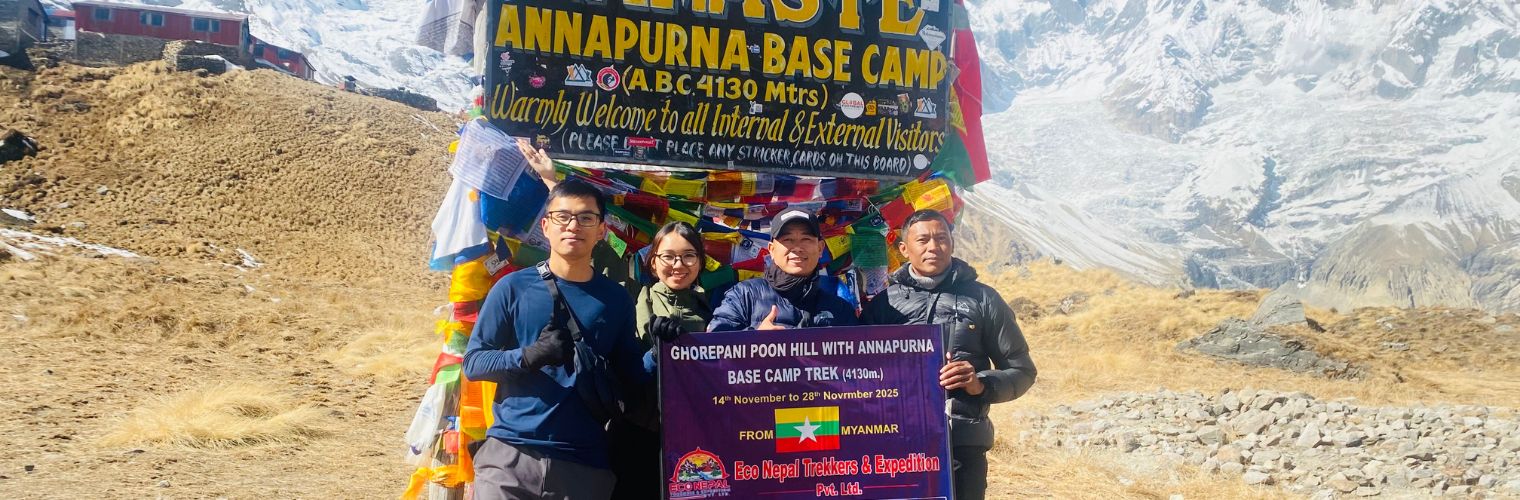
Is Annapurna Base Camp Trek Worth Visiting?
If you are planning an ABC trek in Nepal, one question that might come to mind is, “Is the Annapurna Base Camp Trek worth visiting?
The short answer is yes, especially for trekkers seeking classic Himalayan scenery, varied landscapes and a balanced trek experience without altitude risks.
Annapurna Base Camp Trek is the most famous trek in Nepal due to its combination of mountain views, cultural villages and accessible trails into a relatively short itinerary.
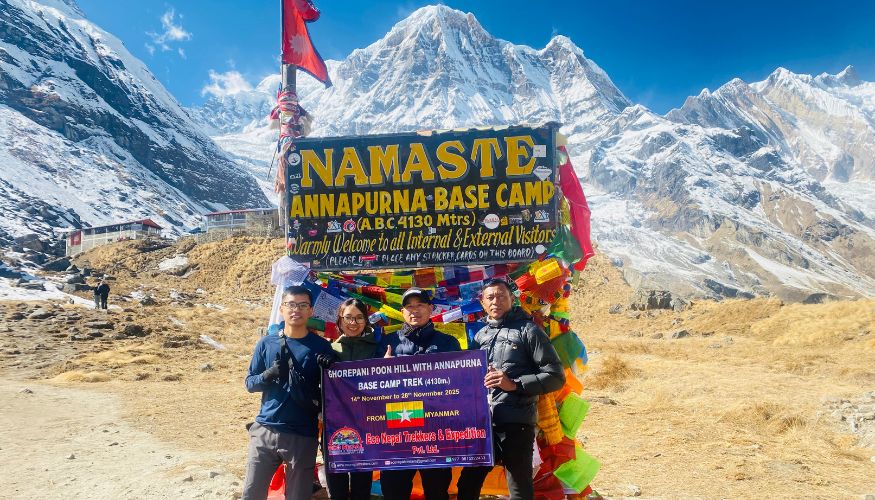
However, like any trek, it’s not for everyone. The trail is a popular route, meaning sharing trails, busy teahouses and less solitude during peak season.
Simply, ABC is worth a visit if you want scenic beauty and access, but less so if it’s pure wilderness.
Quick Summary
- Annapurna Base Camp is ideal for trekkers who want close-up Himalayan views without challenging altitude.
- ABC Maximum altitude is 4,130 meters, making it safer than EBC.
- Trek duration is 7 to 12 days, suitable for short itineraries and short adventure-seeking travellers.
- ABC Trek offers diverse landscapes, forests, villages, and alpine terrain.
- The route is moderate to high crowd levels in peak seasons.
- Best seasons are spring and autumn for stable weather and clear views.
What Makes Annapurna Base Camp Different from Other Treks?
While trekking to Annapurna Base Camp, you will find it unique for its accessibility and mountain experience, which are not available on other Himalayan trekking routes.
The landscape is highly varied. The trek route passes through rhododendron forests, Cultural Villages like Ghandruk and Chhomrong, river valleys, and alpine terrain, resulting in an unbroken shift in ecosystems with elevation. This differs from high-altitude desert regions, where vegetation is sparse, and terrain stays dry and exposed.
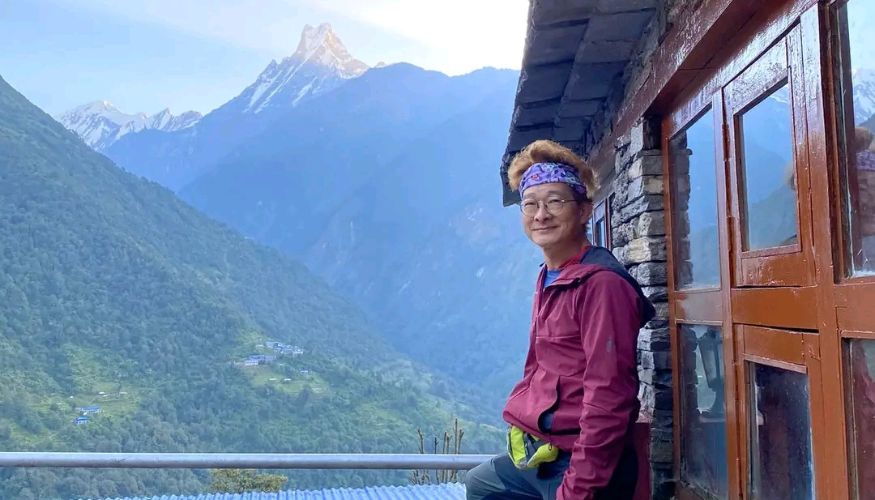
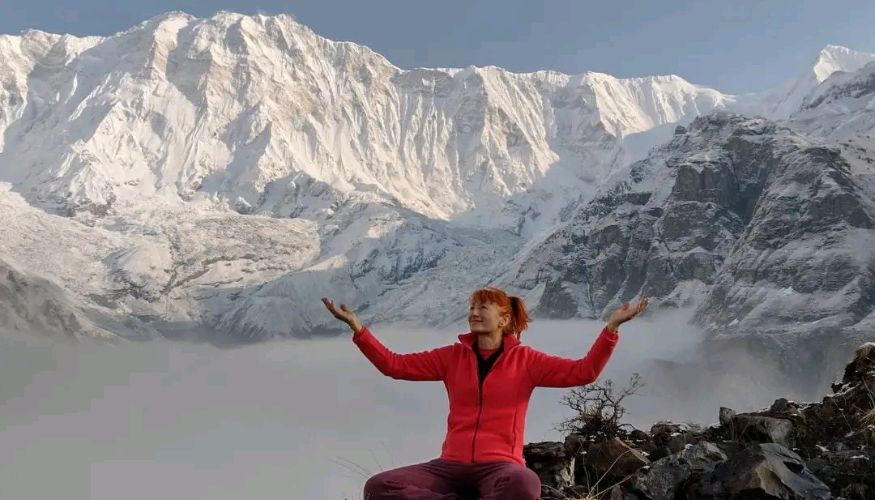
At a higher elevation, the trek enters a glacial basin that is bordered by some of the tallest peaks of the Himalayas, including Annapurna I, Machapuchare, Himchuli, and Annapurna South. These mountains create a natural amphitheatre, with peaks rising directly over the base camp rather than being seen from afar. As well as 360-degree views of the mountain.
Accessibility is another defining factor. It starts from Pokhara, making transport easy and logistics less cumbersome than in more remote trekking routes.
How Does ABC Compare to Everest Base Camp?
The Annapurna Base Camp trek is generally more accessible and less challenging, while the Everest Base Camp trek involves a higher altitude and a more extreme environment. ABC offers shorter duration and easier access, whereas EBC provides a higher-altitude trekking experience.
| Feature | Annapurna Base Camp | Everest Base Camp |
| Maximum Altitude | 4,130 m | 5,364 m |
| Difficulty | Moderate | Moderate to Challenging |
| Duration | 7 to 12 days | 12 to 15 days |
| Landscape | Green & diverse | Rocky & alpine |
| Crowd Level | Moderate to High | High |
| Accessibility | Easy (road access) | Flight to Lukla required |
ABC is less extreme and more accessible, while Everest offers a higher altitude challenge.
What Kind of Landscape Can You Expect?
The Annapurna Base Camp trek is marked by an incremental shift in the landscape, with the terrain altering noticeably at different elevations.
The lower sections are forests, rivers and waterfalls that are green and humid. As the trail rises higher, it goes through terraced farmland and traditional villages reflecting human settlement and agriculture in the hills.
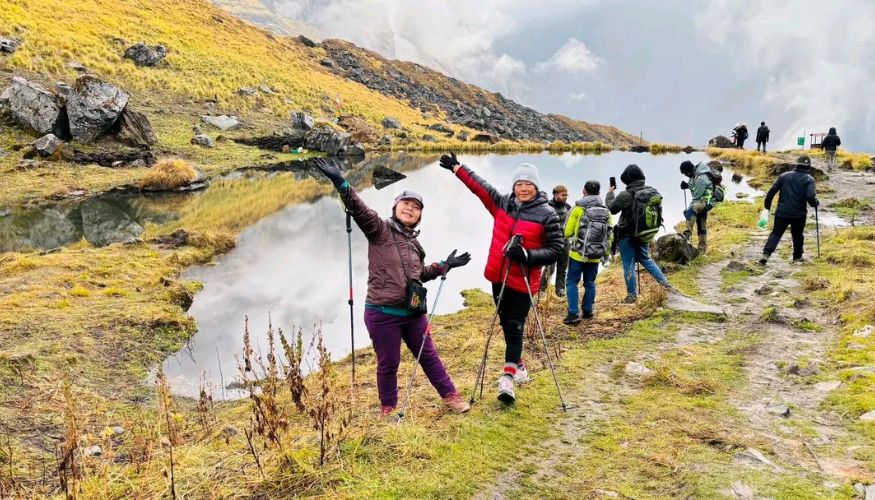
As the climbs continue higher, the environment changes into alpine country and glaciers, where vegetation becomes sparse and mountainous features are predominant.
While most of the dry Himalayan regions offer less variety in the visual sights, the ABC trekking combines lush greenery with snow-capped peaks; two extremes that are found so close to each other.
Is Annapurna Base Camp Culturally Rich?
Yes, the Annapurna Base Camp Trek is culturally rich because the trekking routes take you to Gurung and Magar villages, where local life is still heavily based on agriculture and mountain environments.
As one passes through traditional stone houses and experiences teahouse hospitality along with Buddhist items, including prayer flags and monasteries, cultural elements mix into the journey.
As an area that sees a significant number of visitors, the region is characterized by a mixture of local customs and tourism, so while many cultural experiences come more easily in this area, it is not as far removed from tourism as restricted trekking areas.
How Difficult Is the ABC Trek?
Annapurna Base Camp trek difficulty is moderately challenging because of the high altitudes and strenuous trail steps.
Trekkers walk 5 to 7 hours over well-defined paths with gradual and some steep climbs. The maximum altitude of 4,130 meters does require some level of altitude awareness, but the risk is lower than on other treks like Everest Base Camp.
Some of the main challenges are long days of trekking, elevation gain, and cold weather at higher elevations; however, the comparatively lower elevations mean less risk of altitude sickness.
What Is the Best Time to Visit?
The best season for the Annapurna Base Camp Trek plays a key role in the trekking experience. Let’s understand trek conditions and suitability for the ABC trek.
| Season | Conditions | Suitability |
| Spring (Mar to May) | Blooming forests, clear views | Excellent |
| Monsoon (Jun to Aug) | Rain, leeches, slippery trails | Low |
| Autumn (Sep to Nov) | Clear skies, stable weather | Best |
| Winter (Dec to Feb) | Cold, snow at higher altitudes | Moderate |
Overall, the best times are Spring and Autumn, when you can expect clear views and stable weather conditions.
What Are the Main Highlights of the ABC Trek?
Here are a few highlights of the Annapurna Base Camp trek that make it all worth it.
- The trek goes to Annapurna Base Camp (4,130 m)
- You pass Machapuchare Base Camp, and a reward is unlocked.
- The trail passes through Ghandruk and Chhomrong village, the largest settlement along the way.
- The forest between Bamboo and Dovan is a shady path through thick vegetation.
- The sunrise views over the Annapurna range, including Annapurna I, Annapurna South, Machhapuchhre, and Himchuli.
What Is the Typical Trekking Experience Like?
The Annapurna Base Camp trek has a certain pattern and predictability. Often, the mornings start clear and with stable weather, so it is comfortable to walk. Clouds tend to develop during the day, in the afternoon, and can negate visibility.
Accommodation is a teahouse system, with basic but acceptable facilities provided along the route. Food: Consistent and includes dal bhat, noodles, soups and simple trekking meals.
The route is well-travelled and clearly marked, making it achievable for most trekkers with adequate preparation.
Is Annapurna Base Camp Safe?
Yes, the Annapurna Base Camp trek is a safe trekking route in Nepal with excellent infrastructure and constant movement on the trails. The track has clearly laid trails, regular settlements and lodges which help along the route.
Rescue and assistance options exist if necessary, and the lower altitude poses less risk overall. Nonetheless, basic precautions like gradually acclimatizing, staying well-hydrated and pacing yourself are essential for safe trekking.
Who Should Visit Annapurna Base Camp and Who Shouldn’t?
Visiting Annapurna Base Camp is:
Ideal for:
- First-time Himalayan trekkers
- Travelers with limited time
- Those seeking scenic and balanced trekking
- Moderate fitness level trekkers
Not ideal for:
- Trekkers seeking remote wilderness
- Luxury-only travelers
- Those avoiding crowds
Is Annapurna Base Camp Worth Visiting?
The Annapurna Base Camp trek is easily accessible, not a remote trek like Upper Mustang, Kanchenjunga and Manaslu, being an established and popular route. Nevertheless, it is more accessible, consistently offers mountain views, and provides a structured trekking experience.
The trek offers proximity to Himalayan peaks, a moderate level of difficulty that is accessible to many trekkers and a clearly marked route with dependable infrastructure. This is what makes it a good option for trekkers looking for more moderate adventure, and not the extreme.
Final Thoughts
In Nepal, the Annapurna Base Camp trek is still one of the safest trekking pursuits due to its natural beauty, cultural experience, and moderate intensity.
It is a balanced blend of nature, culture and adventure without requiring advanced technical skills or extended expedition time. Annapurna Base Camp is an excellent combination of a classic Himalayan trek with realistic access to it, and therefore, still one of the best treks for those to choose.
FAQs
Is the Annapurna Base Camp trek worth it for beginners?
Yes. ABC trek is one of the best beginner-friendly treks in Nepal.
How difficult is the trek?
Annapurna Base Camp Trek is Moderate, with no technical climbing required, but some steep sections.
How long does ABC Trek take?
It typically takes 7 to 12 days, depending on the itinerary and travel plan.
Is it better than Everest Base Camp?
It depends. ABC is easier and cheaper, while Everest is more iconic and higher.
What is the best time to go?
Spring and autumn are the best times because they offer the most stable conditions.