If you are a traveller from the UK, the US, or Australia and planning a long-distance trek in Nepal, you may be curious which trek offers the most complete Himalayan experience, right?
Your answer is easy: Annapurna Circuit Trek offers a Himalayan lifetime experience.
The Annapurna Circuit is regarded as one of Nepal’s most varied trekking routes. A single journey can encompass dramatic shifting landscapes and cultural zones, as well as some of the highest mountain passes.
Annapurna Circuit Trek Nepal
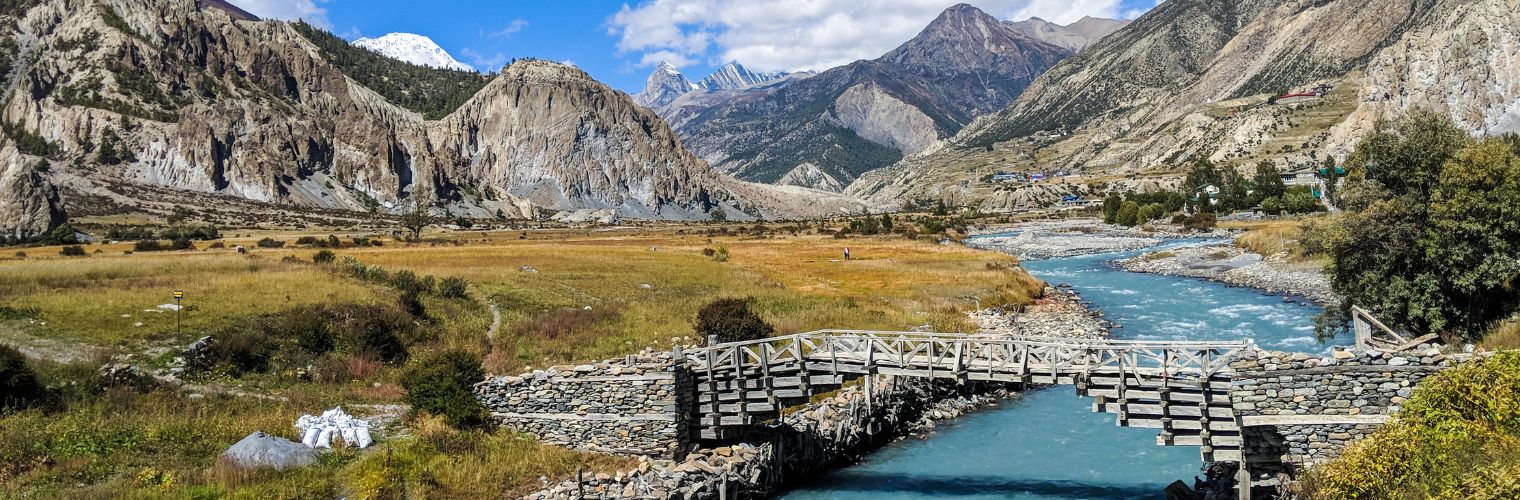
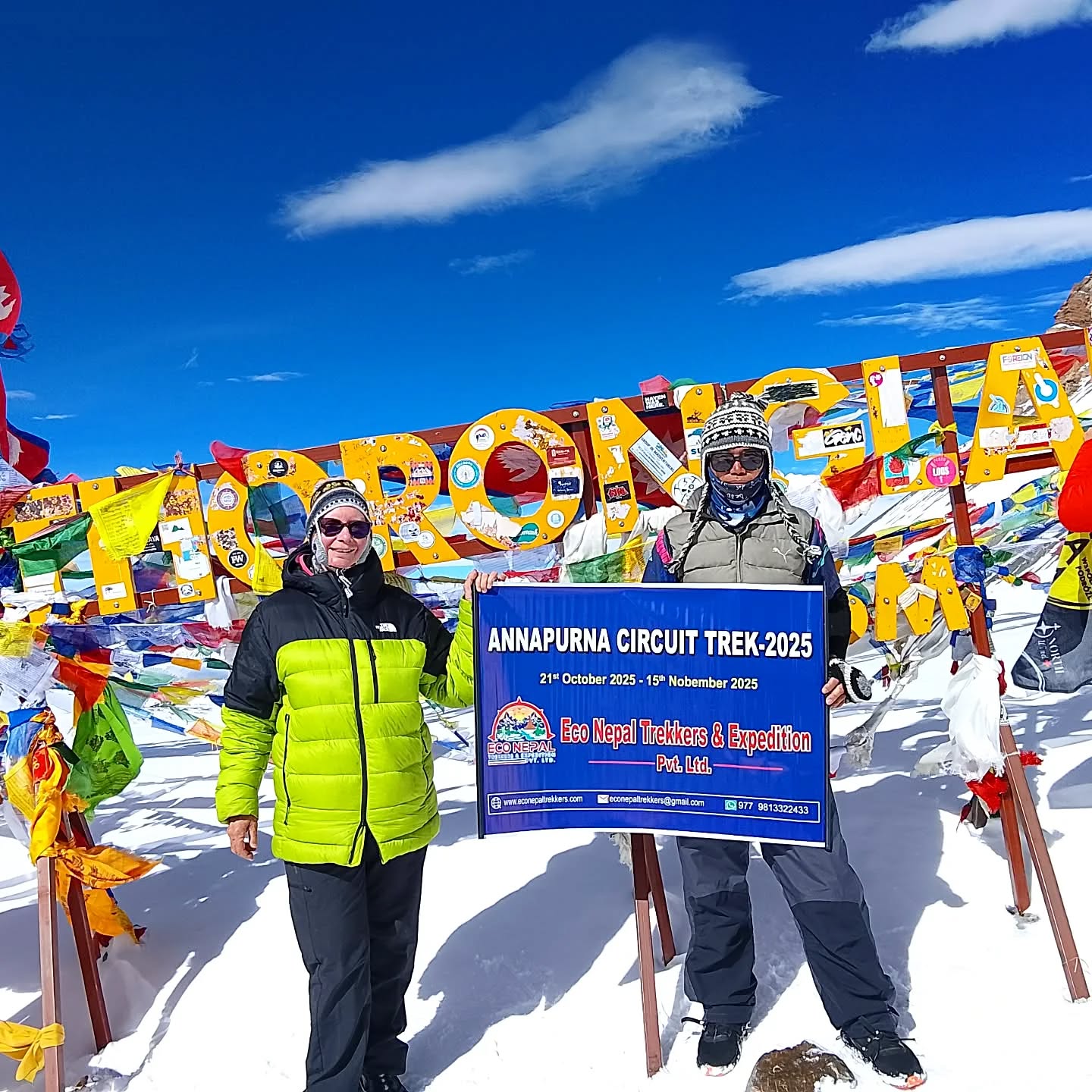
The trail climbs through a wide range of environments, from subtropical forests and river valleys to alpine regions, culminating in the high-altitude domains along major highlights, such as Thorong La Pass 5,416m. You’ll discover Gurung, Manangi and Tibetan-influenced cultures as you go.
Like all true long-distance treks, the Annapurna circuit offers a progression of scenery, cultural variation and trekking that you don’t get on shorter routes.
The Annapurna Circuit Trek is a popular trekking route in Nepal’s Himalayas that traverses the Annapurna Himalaya and offers beautiful mountain landscapes, cultural villages, and diverse terrain.
The trek passes through vibrant and diverse landscapes, including forests, river valleys, alpine zones and high mountain passes with traditional settlements along the way.
Annapurna Circuit Trek 15 Days
15 Days
Challenging
Experience a lifetime adventure to the foot of the Annapurna Circuit Trek. A journey of a lifetime through the Annapurna Himalayas.
It is usually completed in 12 to 18 days by walking with an elevation of just under 5,416 meters at Thorong La Pass and falls directly into moderate to challenging due to its elevation and duration, as opposed to technical climbing skills.
Where is the Annapurna Circuit Located?
The Annapurna Circuit is located in Nepal’s central Himalayas, and it constitutes one of that country’s longest-distance trekking routes.
The journey traverses many regions, such as Lamjung, Manang, and Mustang Himalaya, with views that become not just incredible but profound amid the ascent in altitude and cultural transitions.
The route traditionally starts from Besisahar, which ultimately either reaches Jomsom or Pokhara, depending on the itinerary and travel plan.
Highlights of Annapurna Circuit Himalayas
Below are some highlights of the Annapurna Circuit Himalayas:
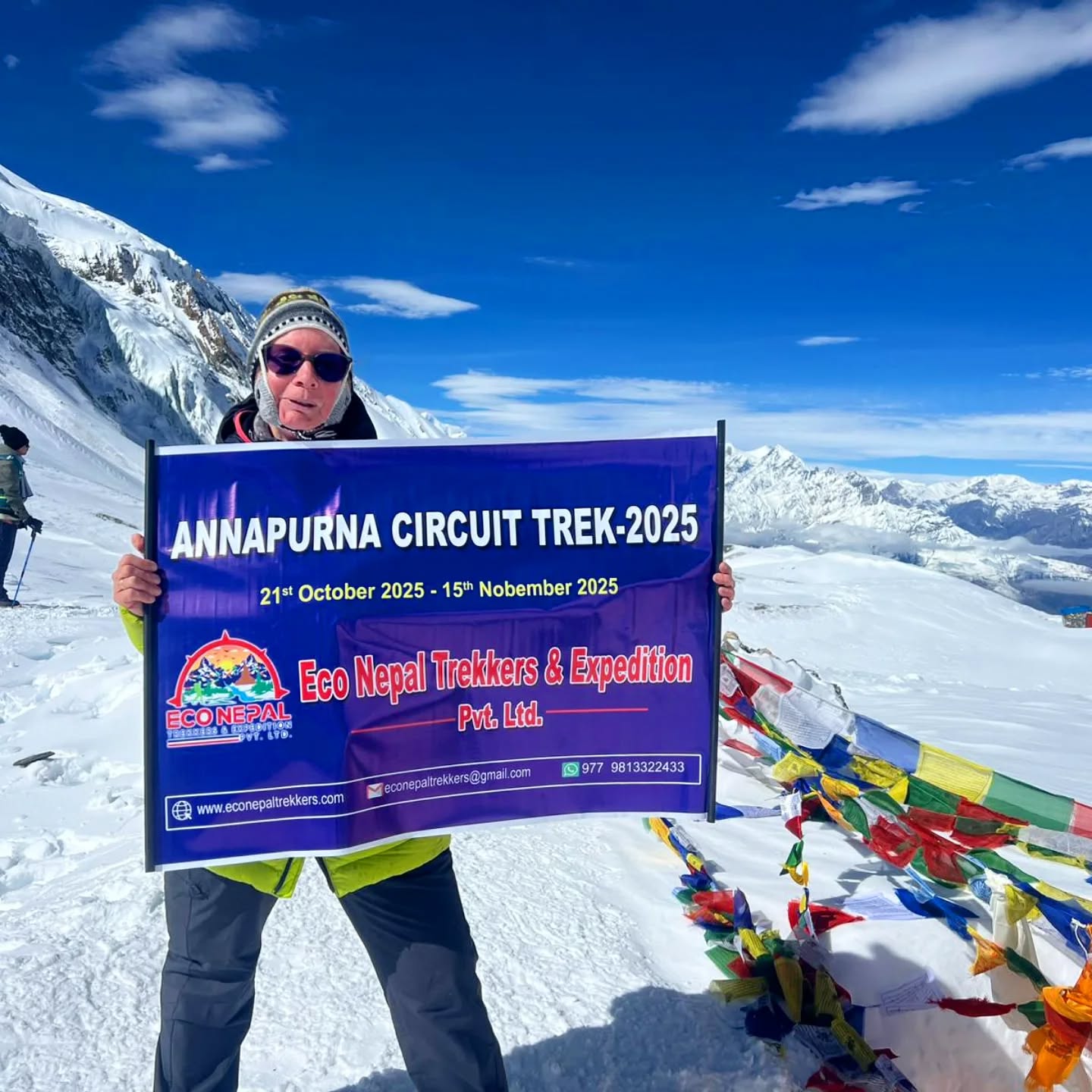
The route climbs Thorong La Pass at 5,416 meters, the trek’s highest and most difficult point.
Trekkers walk through Manang, a key acclimatization point on the trek, and head to the Muktinath Temple, an important religious site.
The scenery varies from forest to alpine to desert-like areas, and you can see the environmental transition as we trek along.
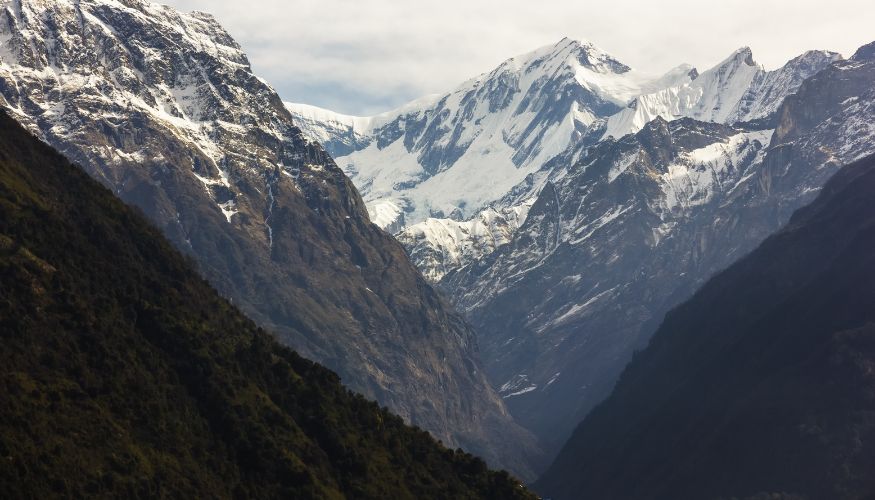
The trail also offers glimpses of significant Himalayan ranges, including the Annapurna and Dhaulagiri.
Annapurna Circuit Trek Itinerary Overview
The Annapurna circuit follows a progressive route through several different altitude zones with a mix of villages and mountain scenery, and culminating in crossing a high mountain pass. The journey begins on low ground before climbing through forest and alpine environment to the loftiest point at Thorong La Pass.
Acclimatization is an integral part of the itinerary, as there’s a scheduled rest day in Manang to adjust to altitude. The trail then drops down towards Muktinath and further to Jomsom, where the circuit ends.
Annapurna Circuit Trek 13 Days
13 Days
Challenging
Experience the ultimate adventure to the foot of the Annapurna Circuit Trek. A journey of a lifetime through the Annapurna Range, majestic Himalayas.
The trek takes varying lengths of time depending on the choice of route. Itineraries come in two sizes: a shortened itinerary that generally takes 10 to 12 days, and a standard one, which typically takes 13 to 18 days, including the Annapurna Circuit with Tilicho Lake.
Annapurna Circuit Trek Itinerary Table
Day
Route
Day 1
Arrival in Kathmandu
Day 2
Drive to Besisahar
Day 3
Besisahar to Chame
Day 4
Chame to Pisang
Day 5
Pisang to Manang
Day 6
Acclimatization in Manang
Day 7
Manang to Yak Kharka
Day 8
Yak Kharka to Thorong Phedi
Day 9
Thorong Phedi to Muktinath Via Thorong La Pass
Day 10
Muktinath to Jomsom
Day 11
Jomsom to Pokhara
Day 12
Pokhara to Kathmandu
This itinerary covers a structured progression with acclimatization and key highlights.
Difficulty of the Annapurna Circuit Trek
The Annapurna Circuit is regarded as a moderate to strenuous trek, primarily because of its length, altitude, and topography rather than its technical difficulty.
High-altitude exposure, long daily walks, and passing Thorong La Pass at 5,416 meters are among the key challenges. These factors demand an appropriate acclimatization process and careful pace during the trek.
It takes a good level of fitness, including stamina and resistance, for several days of trekking in different environments.
For a budget traveller, a trek usually costs between $700 and $1,200 and typically includes accommodations, meals, permits, and local transportation.
Standard trekking packages run from $1,200 to $2,000 and cover guide and porter services, permits, meals, basic accommodation, transportation, and more structured support.
Accommodation & Food
The Annapurna Circuit is one of the most accessible long-distance treks in Nepal, with well-known teahouse accommodation all along the route.
Most villages offer teahouse lodges, with simple rooms, meals and basic facilities. Along the trail, food options are fairly steady, and common meals include dal bhat, noodles, soups, and some other simple international dishes.
Permits Required
Trekking in the Annapurna Circuit requires 2 different permits for entry and regulation.
Trekkers must obtain the Annapurna Conservation Area Permit (ACAP), which is mandatory for entry into the conservation area.
Another one is A TIMS (Trekkers’ Information Management System) card, which may also be required depending on new trekking regulations.
Culture and People of the Annapurna Circuit Himalayas
The trail itself goes through regions with Gurung, Thakali, and Tibetan influences at various altitudes.
Cultural aspects shift with the geography as you trek. The villages in the lower regions are influenced by the Hindu culture, while higher altitude areas reveal a Tibetan Buddhist culture, monasteries and prayer flags, as well as people living in their native way.
Local traditions, ethnic cultures, and village life are an essential part of the trekking experience.
Why Annapurna Circuit Is One of the Best Treks
The Annapurna Circuit is one of the best treks in the world, simply due to its diversity and structure.
It provides a variety of landscape transitions, from forests to alpine zones to desert-like terrain. The route also offers cultural diversity, with various communities and traditions on the journey.
It is less expensive than the Everest region and more compressed than other major treks, while still providing a long, full trek experience.
Annapurna Circuit vs Other Treks
Annapurna Circuit vs Everest Base Camp
The Annapurna Circuit is longer and more varied in landscape and culture, compared to Everest Base Camp.
Annapurna Circuit vs Annapurna Base Camp
The circuit is harder than Annapurna Base Camp due to distance and altitude, but also includes a greater variety of environments and experiences.
Tips for a Successful Trek
Successfully trekking the Annapurna Circuit hinges on pacing, preparation and knowledge of conditions.
Proper acclimatization is key and especially essential before reaching Thorong La Pass. This also helps minimize fatigue and altitude risk.
It is important for trekkers to stay hydrated throughout the journey and carry proper gear according to changing weather patterns, as temperatures and conditions vary greatly at heights.
FAQs
How long is the Annapurna Circuit trek?
The Annapurna Circuit trek typically takes 12 to 18 days to complete, and it depends on your route and itinerary.
Is the Annapurna Circuit difficult?
ACT is moderate to challenging, mainly due to altitude, long walking days, and the Thorong La Pass crossing at 5,416m.
What is the best time to go?
Spring and autumn are the best seasons for trekking because these seasons offer the most stable conditions.
How much does it cost?
The ACT average cost ranges from $700 to $2,000, depending on services, your requirements, and trekking style.
Do I need a guide?
A trekking guide is not mandatory but is highly recommended for navigation, safety, and the overall trek experience.
Final Through
Annapurna Circuit is one of the most rewarding walking trails in the Himalayas due to its diverse landscapes, cultural variety, and high-altitude adventures.
You get the full trekking experience, with different terrains and a proper distance progress in terms of kilometres and hours.