
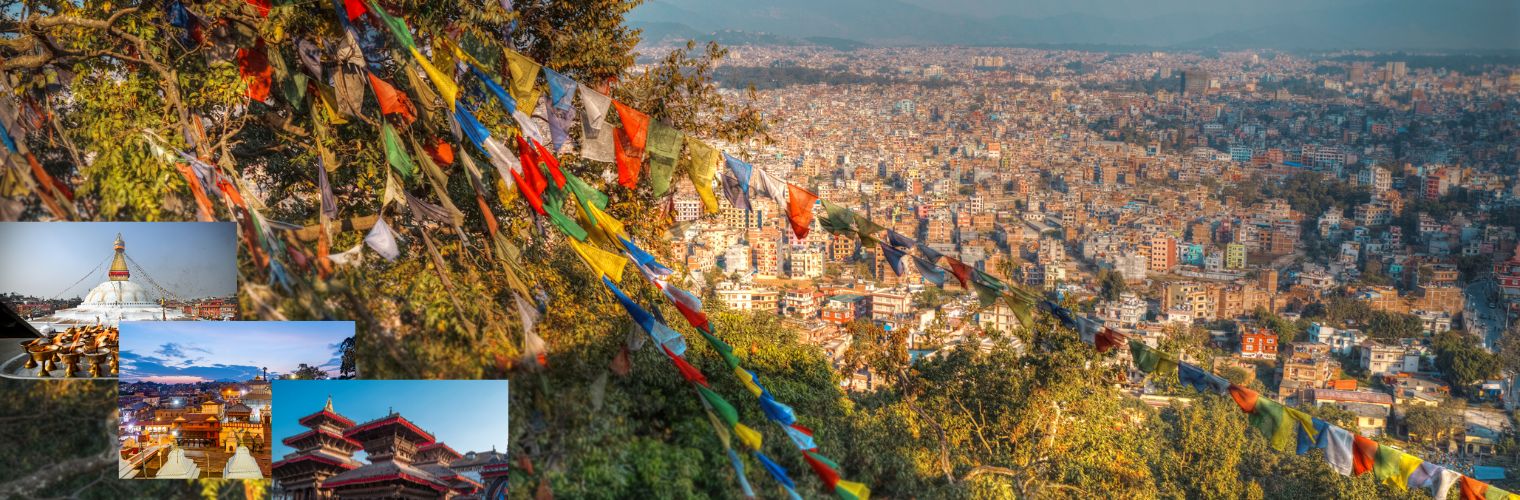
Kathmandu Travel Guide
Situated in the valley and encircled by the magnificent Himalayas, the city of Kathmandu presents an extraordinary sight that combines ancient culture and modern civilization.
As Nepal’s capital and largest city, Kathmandu offers tourists an intoxicating blend of ornate temples, bazaars, spiritual havens, and culinary experiences that have fascinated travelers for centuries.
Whether interested in trekking through the Himalayas, seeking spiritual enlightenment, or exploring UNESCO World Heritage Sites, this travel guide covers every detail of visiting the magnificent city of Kathmandu.
Quick Summary
- Capital and largest city of Nepal, located at 1,350 m in the Kathmandu.
- Kathmandu includes Patan and Bhaktapur, forming a UNESCO World Heritage cultural zone.
- Home to Explore seven UNESCO Heritage sites, including Pashupatinath Temple, Boudhanath Stupa, and Swayambhunath.
- Known for unique Newari pagoda-style architecture and intricate wood carvings.
- Main international gateway via Tribhuvan International Airport.
- Starting and Ending point for major Himalayan treks like Everest and Annapurna.
Where Is Kathmandu?
Kathmandu is the capital of Nepal, a landlocked country in South Asia bordered by China (Tibet) and India. Kathmandu is located in the heart of Nepal at an elevation of 1,350 meters. It boasts a pleasant subtropical environment, free of the ill effects of altitude sickness.
The city lies within the Kathmandu Valley, a 665-square-kilometer UNESCO World Heritage site surrounded by mountain ranges. The valley has a rich history, hosts a variety of UNESCO World Heritage sites, and offers a glimpse of the Himalayas when the weather permits.
It is a national transportation hub, and Tribhuvan International Airport is 6 km from the city center. The country is connected to India, Pokhara, and Tibet by highways.
Kathmandu Valley comprises three cities: Kathmandu, Patan, and Bhaktapur. Patan, which is 5km south of Kathmandu, is known for its fine arts. It is called the “City of Fine Arts.” Bhaktapur, 13km east of Kathmandu, is known for its medieval feel and pedestrian zones.
Why is Kathmandu Famous?
Kathmandu is one of the most culturally important locations in Asia and is recognized for spiritualism, architecture, and its position as a gateway to the Himalayas.
The city is also home to seven UNESCO World Heritage Sites including Kathmandu, Patan, and Bhaktapur Durbar Squares; and three religious shrines including Swayambhunath, Boudhanath, Pashupatinath, and Changu Narayan. This disquisition finds that no
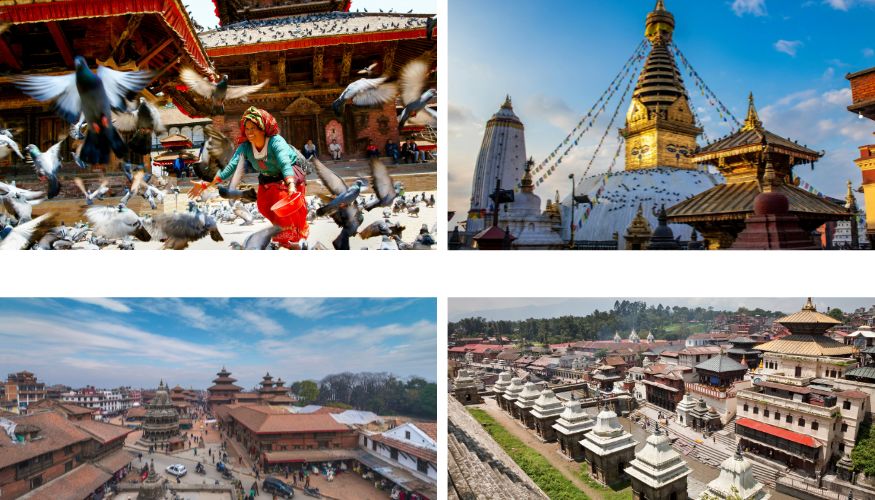
As the spiritual hub of the nation, Kathmandu attracts spiritual pilgrims from across the globe. Pashupatinath is one of the most sacred Hindu temples of Lord Shiva, whereas Boudhanath is the largest Buddhist stupa in the world.
The gateway to Mount Everest and Annapurna, Kathmandu, offers legendary access via Tribhuvan International Airport, while Thamel offers trekking services for adventurous trekkers.
The city is a symbol of Hindu and Buddhist integration and peace, where the two religions coexist and flourish. “Swayambhunath is a place where Buddhist monks and Hindu worshippers are both welcome, thereby creating a syncretic culture which is quite uncommon in the world.”
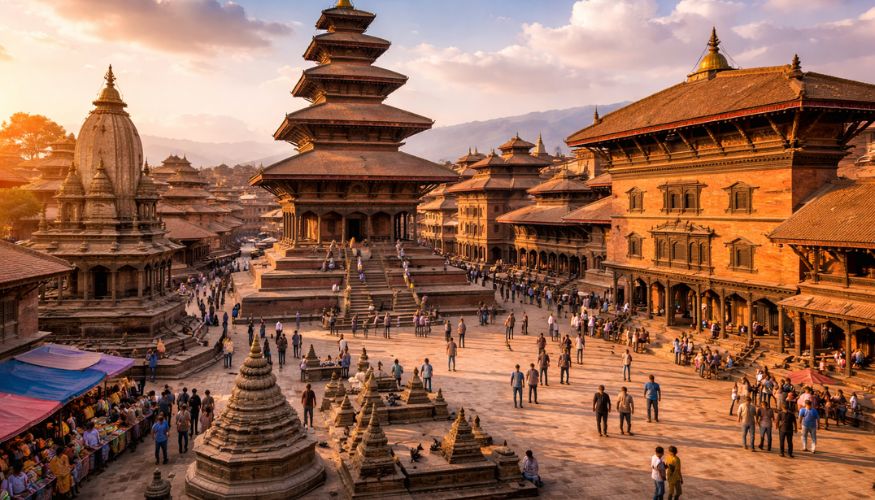
The ancient Newari architecture gives Kathmandu its visual identity, including pagoda-style buildings with tiered roofs, intricately carved wooden windows, elaborate palace designs, and traditional brickwork. The architecture was created by indigenous Newar artisans and is characterized by exceptional woodwork, metalwork, and stone carvings that have lasted for centuries.
Things to Do in Kathmandu
1. Pashupatinath Temple
Pashupatinath is the most sacred temple of Lord Shiva in Hinduism, located on the holy Bagmati River, where cremation ceremonies take place. Non-Hindus cannot enter the temple precincts, though one can watch the ritual from the eastern bank of the river itself, such as the captivating Aarati ritual (6 PM) involving prayers, bells, chanting, and oil lamps.
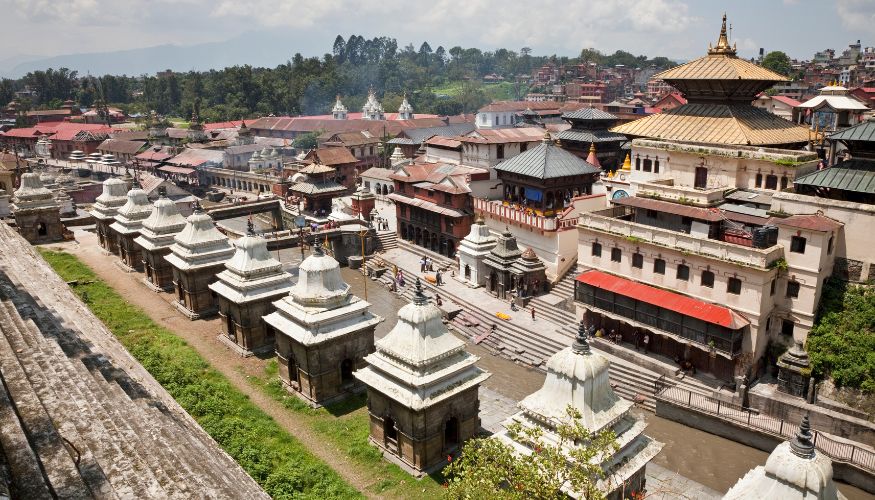
One must cover one’s knees and shoulders; remove one’s shoes upon entering the temple; seek permission to click photographs, particularly of Sadhus, who may demand money; and avoid loud noises while cremation is in progress. Fee to be paid for entering the temple: NPR 1,000 for foreginer tourists.
2. Boudhanath Stupa
Boudhanath is one of the largest Buddhist stupas in the world and is known for its association with Tibetan culture. The massive white dome, topped by all-seeing eyes of Buddha, dominates the neighborhood, which contains many Tibetan monasteries, handicraft stores, and cafes.
Walk around the stupa in a clockwise direction while rolling the spinning prayer wheels containing the mantras. Every round of the dharmachakra is said to show the same blessings as reciting the mantras written on the wheels. Accompany the Tibetan devotees during the circumambulation or kora, chanting “Om Mani Padme Hum.“
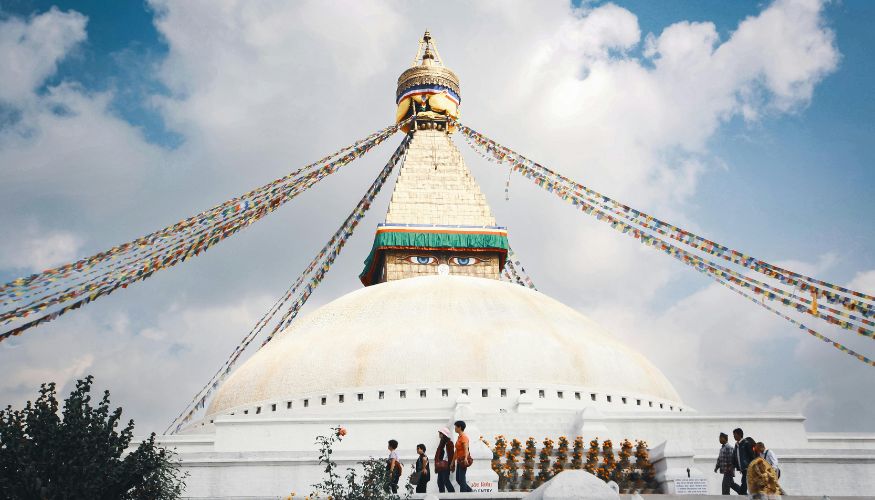
Try to visit during sunset hours, i.e., between 5-6 PM, to see the stupa illuminated and monks attending prayer sessions at various monasteries around the stupa. Photographers can make the most of the golden hour, and rooftop restaurants offer great views of the stupa with the Himalayas as a backdrop. Entry fee: NPR 400 for foreigners.
3. Kathmandu Durbar Square
This World Heritage Site allows visitors to experience the magnificent architecture of Nepal’s medieval kingdoms, represented by intricately decorated palaces, temples, and courtyards.
Hanuman Dhoka, or Hanuman Gate, is the gateway to the ancient royal palace complex, which is named after the statue of the monkey god that has stood at the entrance since 1672. The palace itself houses several museums that exhibit royal memorabilia and artifacts, including royal weapons, thrones, and historical paintings depicting the history of Nepal’s royal family.
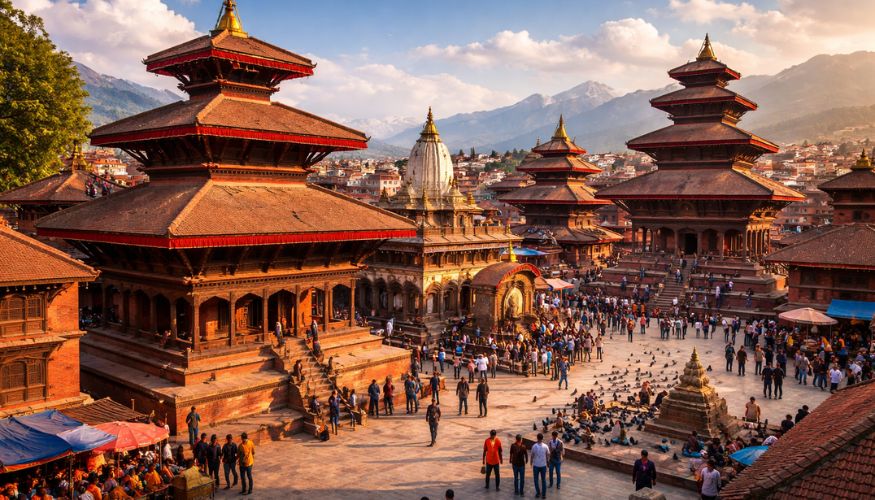
Kumari Ghar, Nepal’s Living Goddess, is a young, prepubescent girl chosen through ancient traditions to represent the Hindu goddess Taleju. She appears from her window (around 9-11 AM, or 3-5 PM, though this is by no means certain) for limited public observation. It is forbidden to photograph the Kumari. She serves as a goddess until she reaches maturity.
The restoration work initiated after the 2015 earthquake, which damaged several infrastructure projects, is still ongoing. Though some of the temples are still under construction with visible scaffolding and beams, it is a good sign for the nation to preserve its heritage. Several monuments have been constructed. Entry fee for foreigners: NPR 1,000.
4. Swayambhunath
Climb the famous 365-step staircase (implying a year) to explore this 2,500-year-old hilltop stupa with beautiful views over the Kathmandu Valley. The climb will take visitors through other small shrines, prayer wheels, and stone sculptures, with hundreds of mischievous monkeys roaming the area, earning it the nickname “Monkey Temple.” Be paranoid when bringing bags to avoid monkey attacks.
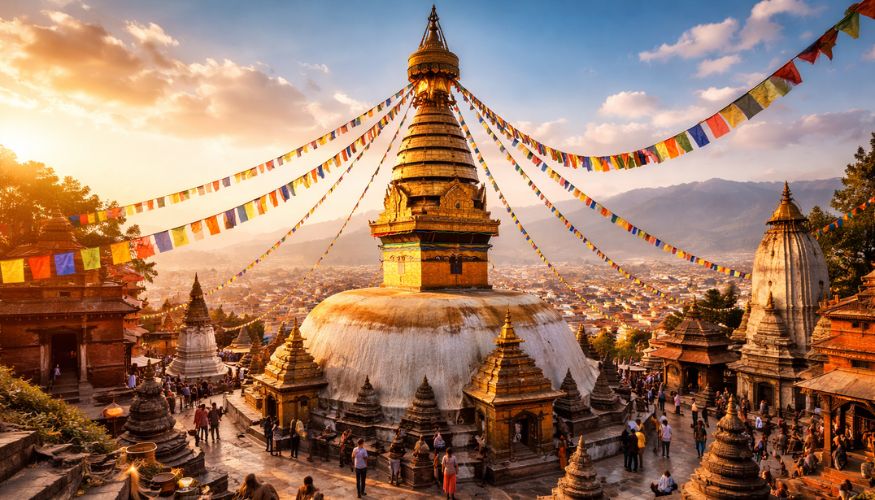
The principal stupa itself features the iconic eyes of the Buddha gazing out over the valley, along with colorful prayer flags, vajras (symbols of thunderbolts), and small temples of religious significance to both Buddhists and Hindus. Visit at sunrise, around 5-6 AM, for a magical view of the stupa under golden lighting, or at sunset for a picture-postcard view of the valley and the Himalayas when the weather permits. The entry fee for foreigners is NPR 200.
5. Experience Thamel
Thamel is the vibrant tourist area of Kathmandu, a maze of streets filled with shops, restaurants, and bars catering to tourists.
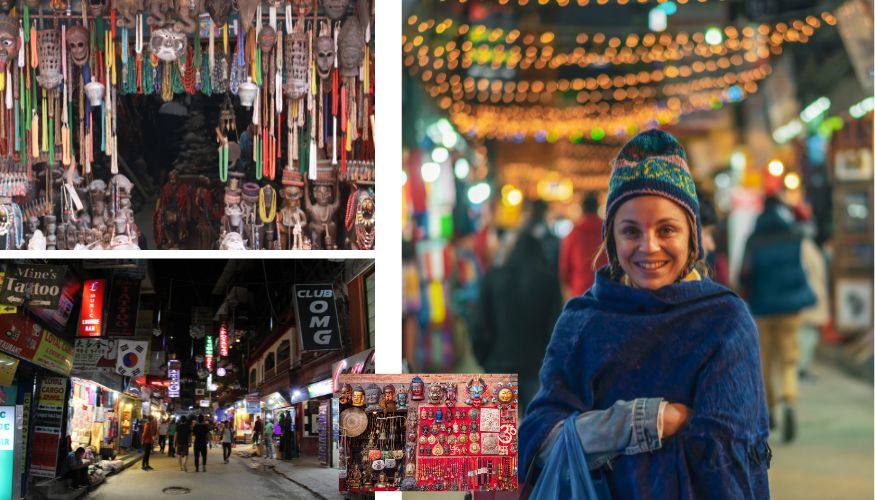
- Shopping: You can buy everything, ranging from genuine Tibetan singing bowls, Pashmina shawls, thangka paintings, hand-made jewelry, to fake trekking gear. Bargaining is essential; start with 50-60% of the quoted price.
- Trekking gear: Thamel is the trekking headquarters of Nepal, where authentic and replica trekking gear from popular brands such as North Face, Marmot, and Mountain Hardwear is readily available. Good trekking gear is available for hire, and genuine gear will not burn a hole in one’s pockets.
- Nightlife: The district’s nightlife comprises live music venues, nightclubs, and sports bars screening international sporting events. The nightlife hotspots include Purple Haze Rock Bar, Sam’s Bar, and nightclubs on Tridevi Marg.
- Restaurants: Savor international cuisines such as Italian, Mexican, Israeli, Japanese, Korean, and continental, as well as traditional Nepali and Tibetan cuisine. Some popular restaurants include OR2K (Mediterranean cuisine), Fire and Ice Pizzeria, Northfield Cafe (breakfast), and many momo (dumplings) stalls offering authentic local cuisine at minimal prices.
Ready to Explore Kathmandu Valley?
Talk to our local experts and plan a safe adventure.
+977 9813322433Call / WhatsApp
Kathmandu UNESCO World Heritage Sites
The Kathmandu Valley contains seven UNESCO-designated World Heritage Sites that have been jointly inscribed since 1979 and represent exceptional cultural and architectural heritage spanning over 2,000 years.
Patan Durbar Square
Located in the city of Lalitpur, 5 km south of Kathmandu, Patan Durbar Square is known as the best example of Newari architecture and craftsmanship. This square encompasses the Krishna Mandir, a 21-pinnacle stone temple with Mahabharata carvings, the Golden Temple, also called Hiranya Varna Mahavihar, and the former Royal Palace, which boasts multiple courtyards with beautiful carved wood and metalwork. The on-site Patan Museum houses a matchless collection of religious art and bronze sculptures. The surrounding lanes are lined with traditional metalworkers and artisans continuing centuries-old crafts. Entrance: NPR 1000.
Bhaktapur Durbar Square
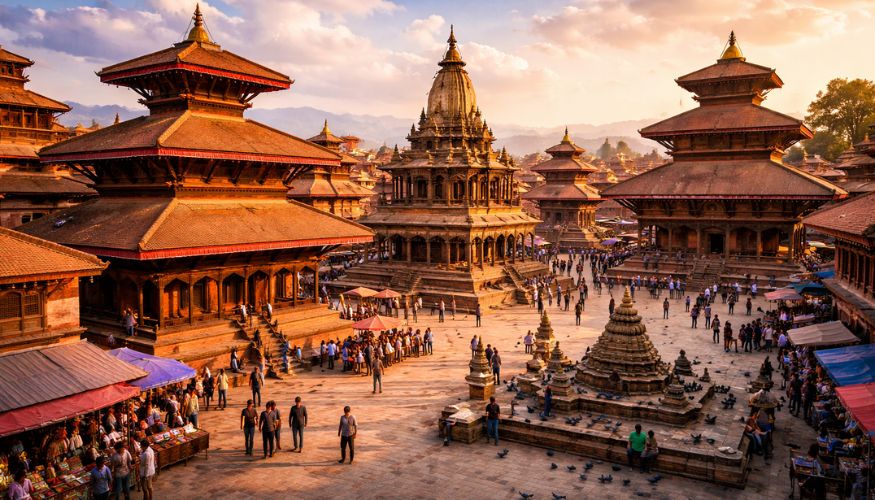
Bhaktapur Durbar Square is situated 13 kilometers east of Kathmandu, the best-preserved medieval city center in the region. It boasts the 55 Window Palace, a masterpiece of woodcarving; Nyatapola Temple, the tallest pagoda in Nepal, rising to five floors; the Peacock Window, the finest woodcarvings in Nepal; and the impressive entrance gate, the Golden Gate. The brick-paved, car-free streets, Pottery Square with potters at work, and Dattatreya Square transport visitors back to medieval times. The city was severely damaged by the 2015 earthquake, but restoration work is complete. Entrance fee is NPR 1,500.
Changu Narayan Temple
Perched on a hill near Bhaktapur, the Changu Narayan temple is said to be the oldest in the Valley, dating back to 325 AD. This Vishnu shrine has the best collection of stone carvings, metallic statues, and inscriptions in the entire country. This two-tier pagoda-style temple has the most beautiful struts anywhere, bearing images of the ten incarnations of Vishnu, and features fine examples of Licchavi-period artwork. The tranquility of being on top of a hill, surrounded by the beauty of the Valley, provides a glimpse into traditional Newari life untainted by mass tourism. Entry fee: NPR 300.
Best Time to Visit Kathmandu
Autumn Season
Autumn is the best time to visit Kathmandu, as it marks the peak season. The weather remains clear, providing clear views of the Himalayas, with temperatures not too high, making it ideal to spend days out, and low rainfall ensures outdoor activities are not disrupted. Major festivals like Dashain, held in September/October, and Tihar, celebrated in October/November, offer amazing experiences, with the festivities at their best. Even though prices are higher during this season, hotels and flights need to be booked in advance.
Spring Season
The weather is nice and pleasant during spring, making it the second-best time to visit. The presence of rhododendrons adds vibrancy to the surroundings. The weather is clear in the mornings, offering good views of the mountains. The afternoons are somewhat hazy. The Holi festival, which occurs in March, adds color to your visit. The month of May becomes warm and humid, making it ideal for trekking.
Winter Season
Winters ensure winter nights, but also provide clear, crisp days with beautiful views of the Himalayas. There are fewer tourists, leading to discounts and less crowded attractions. Evening and morning require layers, but during the day it’s bright and sunny, making sightseeing pleasant. Some treks may be closed due to snowfall, but in general, visiting the Kathmandu Valley is pleasant.
Monsoon Season
The monsoon season brings heavy rainfall, high humidity, and cloudy weather that blocks views of the mountain ranges, yet the valley remains green, accommodations are cheaper, and attractions are quiet. There is a possibility of flooding during this season. This season is favorable for budget travelers, as they can experience local authenticity. Some outdoor activities might not be available.
Kathmandu Temperature & Rainfall By Month
| Month | Avg High (°C) | Avg Low (°C) | Rainfall (mm) | Season |
| January | 18 | 2 | 15 | Winter |
| February | 20 | 4 | 25 | Winter |
| March | 25 | 8 | 35 | Spring |
| April | 28 | 11 | 60 | Spring |
| May | 29 | 19 | 120 | Spring |
| June | 29 | 19 | 240 | Monsoon |
| July | 28 | 20 | 365 | Monsoon |
| August | 28 | 20 | 335 | Monsoon |
| September | 27 | 18 | 200 | Autumn |
| October | 26 | 13 | 50 | Autumn |
| November | 23 | 7 | 10 | Autumn |
| December | 19 | 3 | 10 | Winter |
Best months: October and November offer optimal conditions with clear skies, comfortable temperatures (13-26°C), minimal rainfall, and major cultural festivals.
3 Days Kathmandu Valley Tour Itinerary
This itinerary offers an efficient and comprehensive selection of the main UNESCO World Heritage Sites in Kathmandu. The itinerary is particularly suitable for those planning to trek to destinations such as Everest Base Camp and the Annapurna Circuit.
Day 1: Durbar Square & Swayambh
Morning (8:00 AM – 12:00 PM): Explore Kathmandu Durbar Square during this time to avoid crowds. Visit the Hanuman Dhoka Palace, look at the museums, and try to catch a glimpse of the Kumari (Living Goddess) at her window (9-11 am). Take 2-3 hours for this place.
Afternoon (2:00 PM – 5:00 PM): Visit Swayumbhunath (Monkey Temple). Either hike up the 365 steps or take a taxi. Explore the ancient stupa, spin your prayer wheels, and enjoy the view. Stay for sunset if the weather allows.
Evening: Returning to Thamel for dinner and to purchase any final trekking gear required before entering the mountain regions.
Day 2: Visits to Pashup
Morning (7:00 AM – 11:00 AM): Visit Pashupatinath Temple early morning to see the morning rituals on the banks of the Bagmati River. Respectfully view cremations on the eastern bank of the river and visit temples and meditation caves.
Afternoon (2:00 PM – 6:00 PM): Afternoon is spent at Boudhanath Stupa. Spend the day by spinning prayer wheels in a clockwise direction, visiting various Tibetan monasteries and handicraft shops. Visit cafes at rooftops.
Evening (5:00 PM – 6:30 PM): Participate in Buddhist monks’ evening prayer rituals. The rituals are accompanied by chanting and lit butter lamps, creating a spiritual and unforgettable experience. Dinner at rooftop restaurants offering a view of the lit stupa.
Day 3: Patan with Bhaktapur
Morning (8:00 AM – 12:30 PM): Travel to Patan, located 5 kilometers to the south. Visit Patan Durbar Square, Krishna Mandir, Golden Temple, and Patan Museum. Take back roads to see traditional metalwork. Allow 3-4 hours.
Afternoon (2:30 PM – 7:00 PM): Start by driving to Bhaktapur, the best-preserved medieval town. This place is conveniently just 30 minutes away from our location. Visit the 55-Window Palace, Nyatapola Temple, Pottery Square, and the famous Peacock Window. The streets are car-free
Evening: Return to Kathmandu. If continuing trekking adventures, check permits and necessary transport arrangements. For many, the next morning will see them trekking to Lukla (Everest region) or Pokhara (Annapurna region).
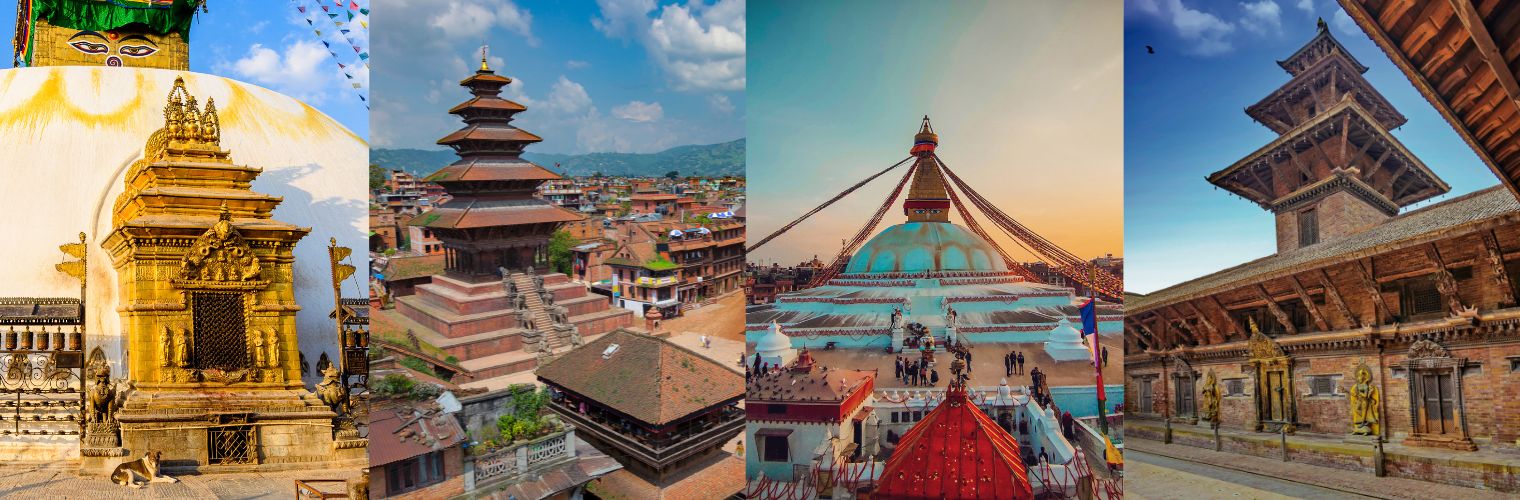
Kathmandu Valley Sightseeing Tour
One valley, three cities, one day, this is what you get from our Kathmandu Valley Sightseeing Tour.
Where to Stay in Kathmandu
Accommodation in Kathmandu varies from ultra-budget guesthouses and hostels to five-star hotels and resorts. In particular, Thamel is full of low-budget guesthouses and hostels that offer simple, clean rooms with basic facilities at economical rates. Mid-range hotels throughout the city offer greater comfort, with private bathrooms, rooftop terraces, and in-house restaurants, making them ideal for most visitors. For those seeking ultimate luxury, Kathmandu offers heritage hotels and international chains that boast spa facilities, fine dining, and premium service.
Geographically, Thamel is the most convenient place for tourists, with restaurants, trekking agencies, and nightlife nearby. Lazimpat is a quiet, rather posh area, while Patan offers a more culturally rich environment for tourists who would like to stay in a historic setting and avoid or reduce contact with other foreigners.
Is Kathmandu Safe?
While traveling in Kathmandu is generally considered safe, with very low levels of violent crime, it’s always wise to take precautions. While petty theft and pickpocketing can occur in areas like Thamel and Durbar Squares, you should be careful with your belongings and avoid poorly lit or unaccredited taxi areas.
Air pollution may be a concern, especially during the dry season, from October to March. Hence, one may wear masks and avoid stepping out during the day. Travelers should also beware of common tourist scams, such as taxi overcharging and shop overcharging, and ensure trekking arrangements are through registered agencies.
When it comes to health, it is just bottled or filtered water. Street food can be tricky initially. But with some awareness and preparation, Kathmandu remains very friendly for the average visitor.
Kathmandu as the Gateway to the Himalayas
Kathmandu acts as the chief base from which to start on Nepal’s famous treks to the Himalayas. From here, adventure travelers can arrange permits and hire guides and porters, with Thamel the best place to get all the equipment needed.
The Everest Base Camp Trek begins with flying to Lukla and ends at the base of the highest mountain on Earth. The Annapurna Circuit begins by driving to Besisahar or Pokhara, then goes around the Annapurna massif and crosses the Thorong La Pass. The Langtang Valley Trek is closest to Kathmandu and provides alpine trekking within a shorter time frame. The Manaslu Circuit, the most remote trekking option from Kathmandu, begins with a drive to Soti Khola and requires special permits to trek through this remote area to reach high Himalayan passes.
With its infrastructure, transportation links, and trekking services, Kathmandu remains the indispensable hub for adventure seekers entering the Himalayas.
FAQS
Is Kathmandu worth visiting?
Yes. It is home to seven UNESCO World Heritage Sites, many ancient temples, a wonderful spiritual culture, and it is a gateway for trekking the Mount Everest and Mount Annapurna routes. It is a site worth visiting despite the pollution.
How many days are in Kathmandu?
It would take about 3-5 days. That would cover the main UNESCO sites. If you have a little more time, 5-7 days would suffice for exploring Bhaktapur and Patan. Trekkers would need 2-3 days for permits and preparation.”
Is Kathmandu expensive?
No. Budget travelers spend USD 20-30; mid-range, USD 50-80; luxury, USD 150+. Accommodation costs NPR 800-10,000+, meals NPR 200-1,200+. Nepal is one of the most affordable places to go in Asia
What language is spoken?
Nepali is the official language. English is commonly used in areas frequented by travelers, hotels, and employed by guides. Simple English is enough.
Can you drink tap water?
No. The water from the taps is already contaminated. Bottled water (NPR 30-50/liter), boiling water, or purification tablets must be used. Ice must always be avoided, and bottled water should be used for brushing teeth.