Best Seller
Starts :
USD 1950
USD 1950
Duration
06 Days
Activity
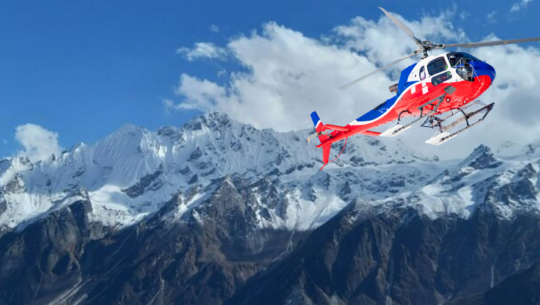
Heli Tours
Grade
Easy
Call Us on Whatsapp
+977 9813322433(Pemba)
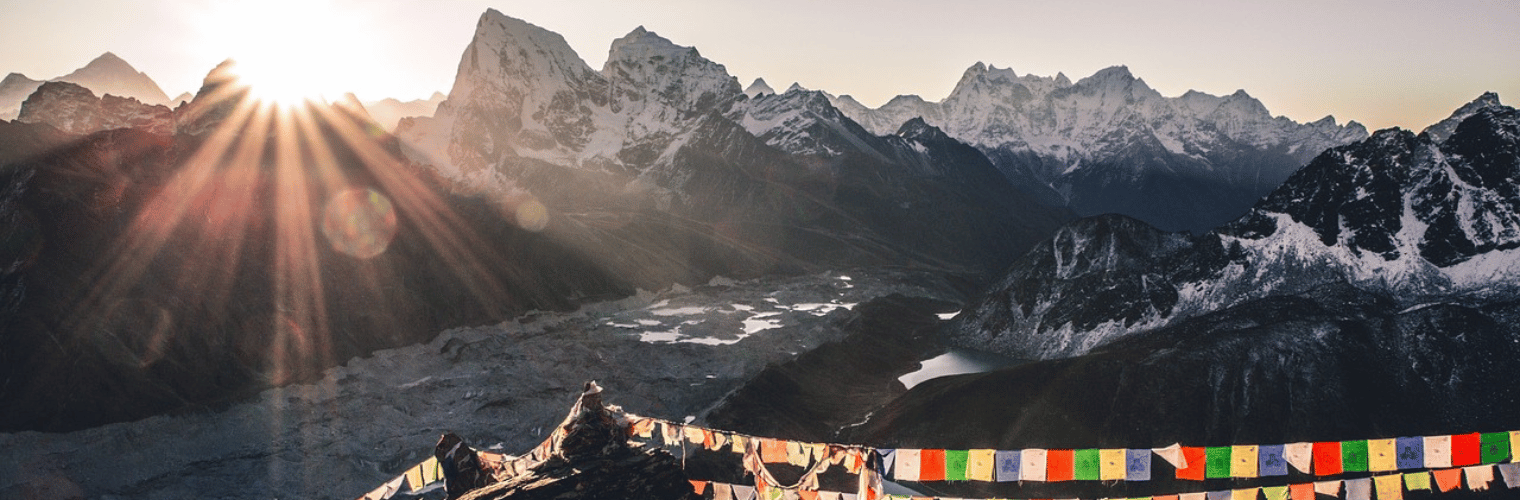
Nepal is one of the world’s most remarkable travel destinations. It is a country where dramatic mountain landscapes meet vibrant cultures. Ancient spiritual traditions also thrive there.
Located between China’s Tibet region to the north and India to the south, this small nation of 147,516 square kilometres delivers experiences that far exceed its compact size.
Within Nepal’s borders are eight of the world’s fourteen highest mountains, including Mount Everest at 8,848 meters. The southern Terai plains sit at just 59 meters above sea level. This extraordinary vertical variation creates a country of breathtaking contrasts.
What makes Nepal truly exceptional is how this geographical diversity concentrates within such a short distance. Within roughly 200 kilometres, travellers move from subtropical plains through temperate hill regions to alpine peaks. This accessibility means you can experience multiple distinct environments, climates, and cultural zones during a single journey.
Furthermore, Nepal lies between two Asian giants, creating a unique cultural melting pot. Hindu and Buddhist traditions coexist there peacefully.
Nepal is divided geographically into three distinct zones, each offering unique travel experiences.
The northern Mountain Region, covering 35 percent of the land area, contains the world’s most spectacular Himalayan scenery. This is home to Everest, Annapurna, Dhaulagiri, and other iconic peaks.
The Central Hill Region covers 65 per cent of Nepal’s territory.
It is the most urbanized area.
It has rolling hills, scenic valleys, and terraced farmland. Here you find Kathmandu and Pokhara, Nepal’s cultural and tourism centers.
The southern Terai Region, though only 23 per cent of the land area, houses 47 per cent of Nepal’s population. This flat, fertile farming region stretches into the Indo-Gangetic plains. It supports abundant wildlife in protected areas such as Chitwan National Park.
The three zones create vastly different experiences within hours of each other. Trekkers in the mountains encounter thin air and snow-capped peaks.
Hill region travellers walk through traditional villages, rhododendron forests, and terraced fields where daily life continues unchanged for centuries. Terai visitors experience jungle safaris, encounter Bengal tigers and one-horned rhinoceroses, and observe tropical wildlife thriving in protected sanctuaries.
This variety means you customize your Nepal experience based on what attracts you most.
Trekking represents Nepal’s greatest appeal for many visitors. The country has earned its reputation as the world’s top trekking destination through trails for every skill level.
The Everest Base Camp Trek is one of the world’s most famous treks.
It takes 12 to 14 days to reach the base of the highest mountain.
You pass iconic Sherpa villages like Namche Bazaar.
You also visit monasteries like Tengboche. The Annapurna Circuit circumnavigates the Annapurna range over 11-21 days, crossing the challenging Thorong La Pass at 5,416 meters.
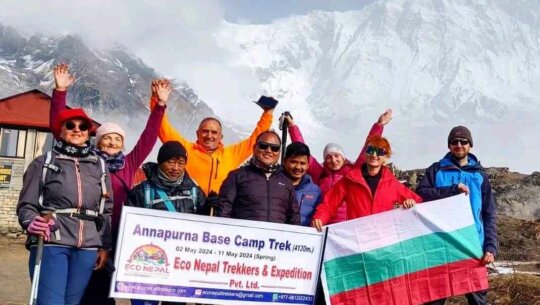
For those seeking a moderate challenge, the Annapurna Base Camp Trek takes 7 to 12 days. It offers diverse landscapes, from subtropical valleys to high-altitude views. The well-established teahouse system means you don’t need expensive camping equipment or large porter teams.
In fact, even simple lodges provide meals and beds on major routes. This makes trekking accessible to people without special mountaineering experience.
Beyond trekking, Nepal’s adventure sports scene continues expanding. White-water rafting on rivers like the Trishuli offers Class III-IV rapids.
These rapids suit beginners and families.
The 10-kilometer section near Benighat offers about three hours of exciting paddling.
The Bhote Koshi River appeals to more experienced rafters seeking intense, continuous rapids. Paragliding in Pokhara is one of the world’s best experiences.
The Sarangkot launch site offers strong thermals and wide views of the Annapurna range.
The Bhote Koshi Bungee Jump hangs 160 meters above the river near the Tibet border.
It is one of the highest bungee jumps in the world. Mountain biking routes vary a lot. You can take easy loops in the valleys near Kathmandu. Or you can ride challenging high-altitude trails in the Annapurna and Everest regions.
Nepal’s wildlife sanctuaries rival any destination globally. Chitwan National Park began in 1973. It covers 952 square kilometers. It protects 128 Bengal tigers and 605 one-horned rhinoceroses.
Over 700 bird species inhabit the park alongside Asian elephants and numerous other species. Bardia National Park offers similar wildlife with more remote conditions and fewer crowds.
The Annapurna Conservation Area protects over 1,200 plant species and 600 wildlife species across multiple elevation zones. Sagarmatha National Park, around Mount Everest, is home to snow leopards, red pandas, Himalayan tahr, and blue sheep.
Nepal has ten UNESCO World Heritage Sites.
This gives Nepal one of the highest numbers of sites per square kilometer in the world.
The Kathmandu Valley alone contains seven monument zones. Kathmandu Durbar Square houses over 50 temples within its boundaries and serves as the “Museum of Temples.” The Swayambhunath Stupa, known as the Monkey Temple, crowns a hilltop offering panoramic valley views.
Boudhanath Stupa stands as one of the world’s largest stupas and a major Tibetan Buddhist pilgrimage site. Pashupatinath Temple, dedicated to the Hindu god Shiva, ranks as Nepal’s most sacred Hindu temple. Bhaktapur, the medieval city, preserves traditional Newari architecture and lifestyle across its courtyards and narrow alleys.
Nepal’s spiritual significance attracts seekers worldwide. As Buddha’s birthplace, Lumbini holds profound meaning for 500 million Buddhists globally.
The sacred garden where Queen Mayadevi gave birth to Prince Siddhartha in 623 BCE now hosts over 25 monasteries. These monasteries represent countries from Thailand to France, creating an international spiritual community.
Numerous meditation centers throughout Nepal offer courses ranging from dynamic meditation techniques to ten-day Vipassana retreats requiring complete silence. The Nepal Vipassana Centre provides intensive programs funded entirely by donations. Kopan Monastery near Boudhanath Stupa offers comprehensive teachings on Buddhist philosophy and meditation practices.
Food culture reveals Nepal’s character through authenticity and hospitality. Dal Bhat, the national dish pairing rice with lentil soup, symbolizes Nepali life itself.
The traditional thali meal includes dal, rice, tarkari (vegetable curry), achar (pickles), and yogurt. Optional meat can be added. This creates balanced nutrition across all meal categories. Momos, delicate dumplings filled with meat or vegetables, have become Nepal’s most recognizable street food.
Newari specialties include chatamari, a rice flour crepe with meat and egg.
Yomari are sweet rice flour dumplings.
What are lentil pancakes?
These dishes reflect local culinary traditions. Street food culture thrives in markets like Thamel and Asan Bazaar. Chowmein, sekuwa (grilled meat), and sel roti sweets reflect daily eating habits.
Nepal’s cities each possess a distinct character. Kathmandu thrives as a cultural capital, with narrow medieval streets, busy bazaars, and ancient courtyards.
Together, they create an atmosphere that takes visitors back in time.
Markets overflow with trekking gear, pashmina shawls, and traditional handicrafts. Pokhara, a lakeside city at 827 meters, offers city comforts near pristine Phewa Lake and the dramatic Annapurna range.
The city serves as a gateway to famous trekking routes and hosts world-class paragliding. Bhaktapur keeps its medieval character better than any other Nepali city. Local artisans still make pottery and wood carvings. They also make the famous “king of curd” (juju dhau).
Practical travel considerations matter significantly. October through November offers ideal trekking weather with clear skies and temperatures between 12-28°C. March through May bring warm weather and blooming gardens, though May temperatures exceed 35°C.
December through February offers cool, clear conditions but requires layers. Avoid the June through September monsoon season when heavy rainfall makes trekking difficult.
Budget travellers spend roughly USD 19 daily, mid-range travellers USD 35-50, while luxury travellers spend USD 100 or more. Nepali rupees are the currency, at about 120 NPR to 1 USD. ATMs are available in cities.
Health precautions include staying hydrated. Use water purification tablets. Consult a doctor about preventing altitude sickness before high-altitude trekking.
Nepal increasingly emphasizes sustainable tourism. The Annapurna Conservation Area Project has worked since 1986.
It has planted trees, built drinking water stations, and cut plastic waste.
It has also trained lodge owners in sustainable practices.
Many teahouses now use solar power, bio-gas plants, and efficient stoves. Community-based tourism ensures local people participate in planning and benefit-sharing. Visitors can support this by using reusable water bottles.
They can respect cultural sites.
They can also stay at community-run homestays.
Nepal’s greatest appeal ultimately rests in its ability to deliver transformation. Visitors often say Nepal changed them deeply. This comes from mountain treks, cultural moments, and spiritual experiences.
It also comes from simple connections with Nepalese people. Their genuine warmth goes beyond typical tourist interactions. The saying “Come for the mountains, stay for the people” captures this truth perfectly. Nepal offers adventure, culture, spirituality, and nature, all woven together within one remarkable country that exceeds expectations at every turn.
06 Days
Heli Tours
Easy

13 Days
Trekking in Nepal
Moderate
12 Days
Trekking in Nepal
Moderate
22 Days
Trekking in Nepal
Strenuous
11 Days
Trekking in Nepal
Moderate
18 Days
Peak Climbing in Nepal
Challenging

10 Days
Trekking in Nepal
Moderate
30 Days
Expedition in Nepal
Challenging
6 Days
Trekking in Nepal
Moderate