
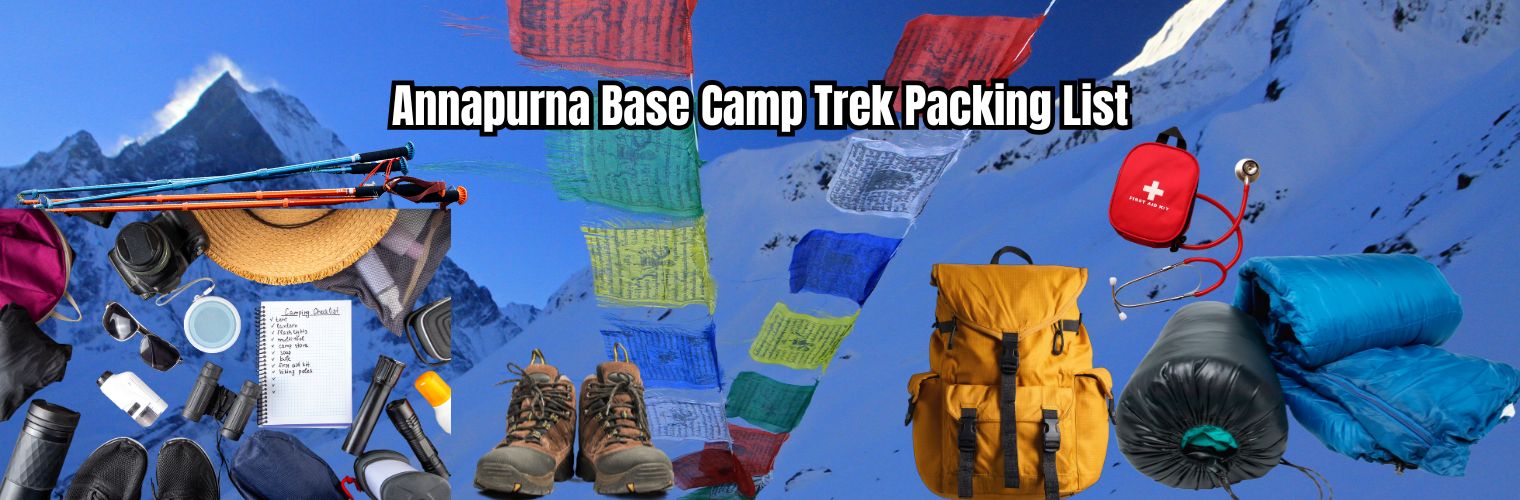
Annapurna Base Camp Trek Packing List
When you are planning or ready for the Annapurna Base Camp Trek, you might be wondering about the Annapurna Base Camp Trek Packing List, right?
Packing for the ABC Trek is not just about warm clothes. As the trail passes through variable weather and rugged, steep terrain at high elevation (4130m), being equipped with the appropriate gear can make a significant difference to your safety and comfort.
You do not have to pack everything you own. The key thing to pack properly is your ultimate trekking gear; stick with lightweight, practical clothing options and end the packing process by adding a couple of optional items based on seasonality and potential personal needs.
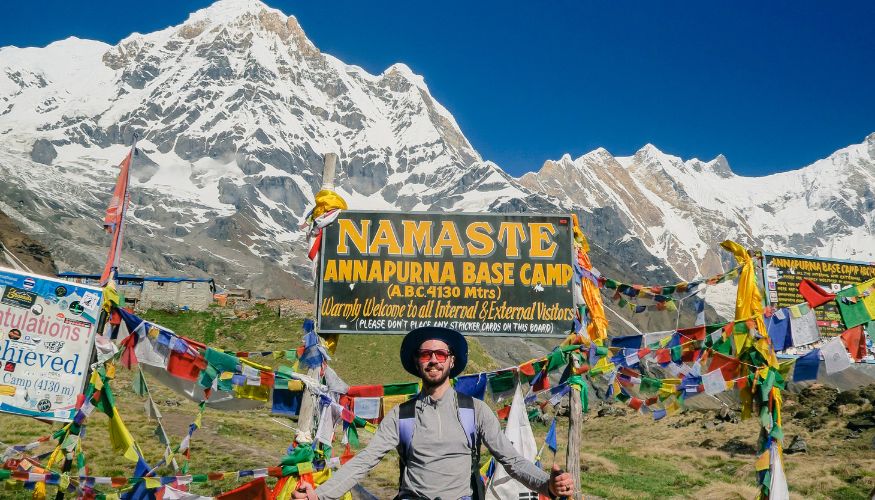
Whether you are trekking alone, with a guide or using a porter can also affect your gear requirements.
Now, I am telling you, based on my personal guiding experience, exactly what you should pack for the Annapurna Base Camp Trek, including the important clothing, footwear, bag, sleep gear and personal items like toiletries, first-aid, electronics, snacks and optional gear you may want to bring with you for the trek.
Annapurna Base Camp Trek Packing List at a Glance
More importantly, packing for the Annapurna Base Camp Trek is all about bringing the right things, without overloading your backpack with unnecessary weight.
Your primary equipment of garments must include comfortable clothing, trekking shoes and boots, backpacking items, personal products, as well as minimal health and wellness items, along with safety gear for changing weather elements and high-altitude circumstances.
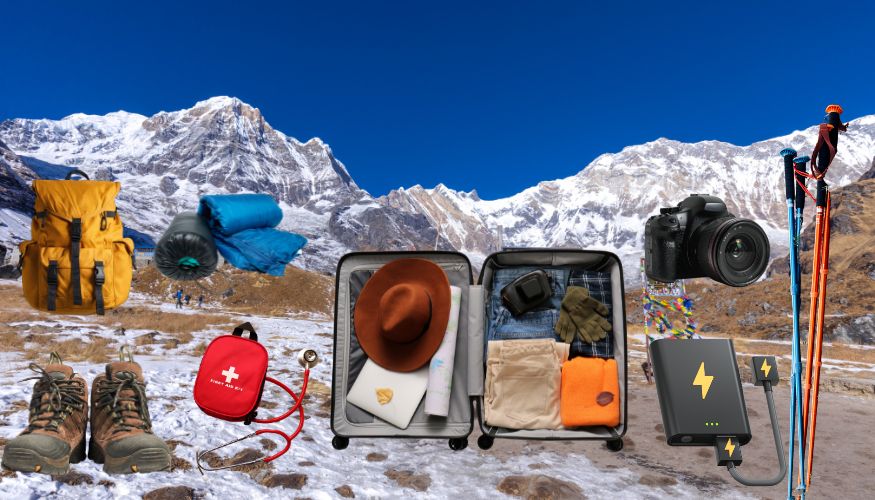
You have optional things to bring, like a camera, binoculars, camp shoes & other trekking accessories based on your personal needs. Simultaneously, be wary of overloading on items like heavy clothing, big electronics, unused gear or toiletries you likely won’t use since every ounce adds to the fatigue of long trekking days.
How Much Should Your Backpack Weigh?
Your Backpack weight is vital to your trek when you reach the long uphill and downhill sections along the Trek. You are trained to take a small day pack and carry just the necessary things like water, drinks, medicines and other essentials.
Your main clothing and trekking gear can go in a luggage bag. Typically, a porter is able to carry between 15-20 kg, but the practical load depends on the porter, route, weather and working conditions.
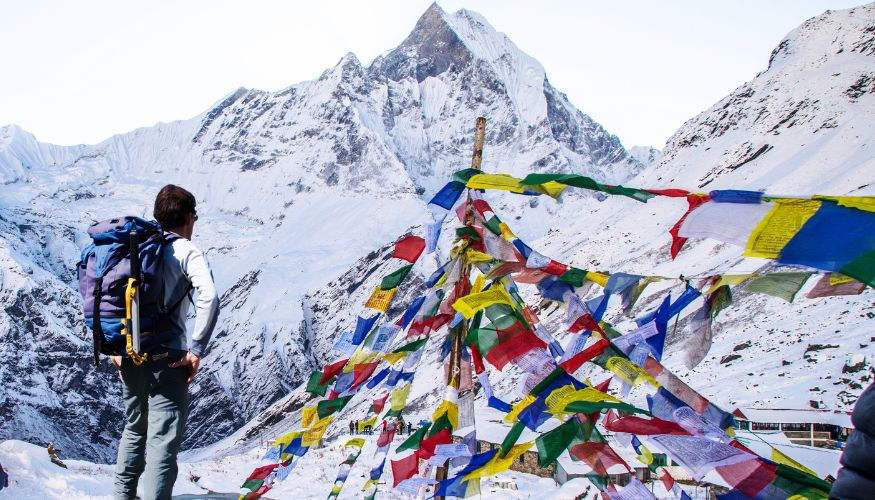
Do not bring unnecessary items; every extra KG will make the hike less enjoyable, especially as you go higher.
Clothing Packing List for Annapurna Base Camp
Packing suitable clothes for the Annapurna Base Camp Trek is essential.
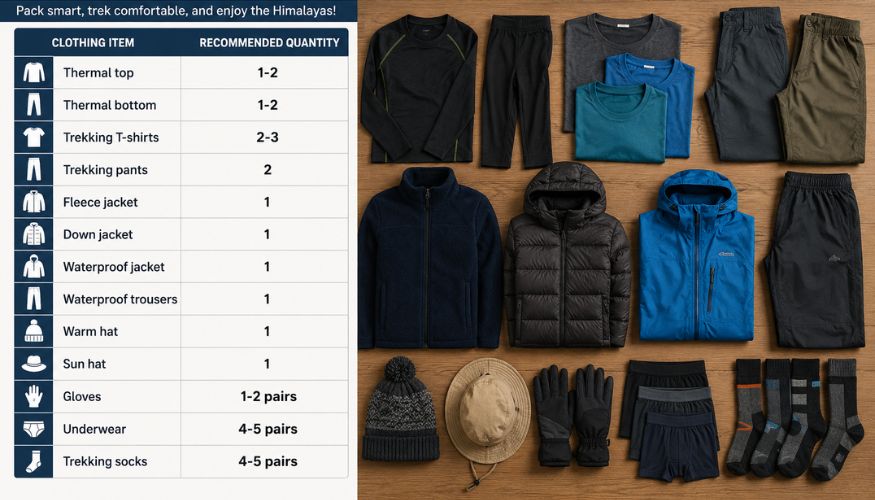
The reason is that as we gain altitude, temperatures and weather can change drastically. The idea behind a clothing system is that it should include thermal base layers, trekking T-shirts, trekking pants, a fleece jacket, a warm down jacket, and a waterproof outer layer.
You should pack waterproof trousers, a warm hat, a sun hat, gloves, and underwear, and ensure you have enough socks to be comfortable on the easier sections of the trek.
The aim is to wear layers so that, rather than carrying around bulky items, you can add or remove clothing depending on the temperature. I have listed below, in a table, the clothing items I still pack with clients and suggest to them before ABC Trek.
| Clothing Item | Recommended Quantity |
| Thermal top | 1-2 |
| Thermal bottom | 1-2 |
| Trekking T-shirts | 2-3 |
| Trekking pants | 2 |
| Fleece jacket | 1 |
| Down jacket | 1 |
| Waterproof jacket | 1 |
| Waterproof trousers | 1 |
| Warm hat | 1 |
| Sun hat | 1 |
| Gloves | 1-2 pairs |
| Underwear | 4-5 pairs |
| Trekking socks | 4-5 pairs |
Note: Most trekkers need and use 2-3 trekking T-shirts, two pairs of trekking pants, two pairs of fleece pants, four or five pairs of underwear and socks, one fleece jacket, a down jacket, and a waterproof outer layer. Thermal layers can be modified to the season, with warm clothing needed in the winter months. That being said, if you have hired a porter for your hike, be sure that the total bags are less than 10 kg and prioritize those clothes that will really put them to use.
A footwear choice is vital. The trail at Annapurna Base Camp Trek includes stone steps, lopsided paths, and even steep sections, as well as inconsistent climate, because of which methodizes to reserve comfy footwear.
Hiking boots or trekking shoes are more stable than your camp shoes or sandals. Trekking socks help to make sure your feet are comfy and to minimize blister risk, while gaiters will be helpful precisely when conditions ask for it protecting from mud, rain, snow or other trail debris.
It may sound simple, but you will need to wear your trekking boots on a few walks before arriving in Nepal so that you know they are comfortable for the duration of your trek.
Backpack and Luggage
For the ABC Trek, keep your luggage light, organized, and protected from moisture. Use a daypack for daily essentials and a duffel bag for your main trekking gear, especially when using a porter.
- Daypack: Water, snacks, medication, documents, and valuables.
- Duffel Bag: Clothes, sleeping bag, and main gear.
- Rain Cover: Protects your backpack from rain.
- Dry Bags: Keep clothes and electronics dry.
- Packing Cubes: Keep your gear organized.
- Waterproofing: Protect important items with waterproof bags.
One of the essential things for the Annapurna Base Camp Trek is a sleeping bag, as temperatures can get quite cold at night at higher altitudes.
Sleeping Gear
A sleeping bag depending on the season and its temperature rating, plus a warm blanket for those times if you want or need some extra warmth, and to be better prepared. Optional: Small pillow or travel pillow.
While many teahouses offer bedding, having your own small pillow can help with comfort while sleeping. If you plan to do the ABC Trek, which is tent lodging, it is advisable that you bring your own sleeping bag or rent one.
Trekking Accessories
Some useful trekking accessories can help out with making the Annapurna Base Camp Trek a safer and more enjoyable experience.
Poles aid in balance on steep and irregular trails, and a headlamp is valuable for early morning strolls and traversing through teahouses in the evenings. Sunglasses shield your eyes from the bright sun, and a water bottle or hydration bladder makes drinking more frequent.
Microspikes are handy during those icy or snowy seasonal conditions; a buff helps you protect your neck and face from cold air and dirt.
You never want to be left without light, so always bring some spare batteries for your headlamp.
| Item | Purpose |
| Trekking Poles | Balance and support on steep trails |
| Headlamp | Early starts and nighttime use |
| Sunglasses | Protection from strong sunlight |
| Water Bottle | Carry drinking water |
| Hydration Bladder | Easy access to water while walking |
| Microspikes | Extra traction on ice or snow |
| Buff / Neck Gaiter | Protection from cold and dust |
| Spare Batteries | Backup power for your headlamp |
Personal Hygiene and Toiletries
Bring only light and practical toiletries for the Annapurna Base Camp Trek because teahouse facilities are basic at high altitude.
Keep a toothbrush, toothpaste, biodegradable soap, hand sanitizer, toilet paper, wet wipes and a quick-dry towel for hygiene on a daily basis.
The dry mountains are good sites to have sunscreen, lip balm, and moisturizer in your bag, while each personal hygiene item takes time based on who you are.
To save space and keep your other belongings protected, keep toiletries in a small waterproof bag.
First-Aid and Health Kit
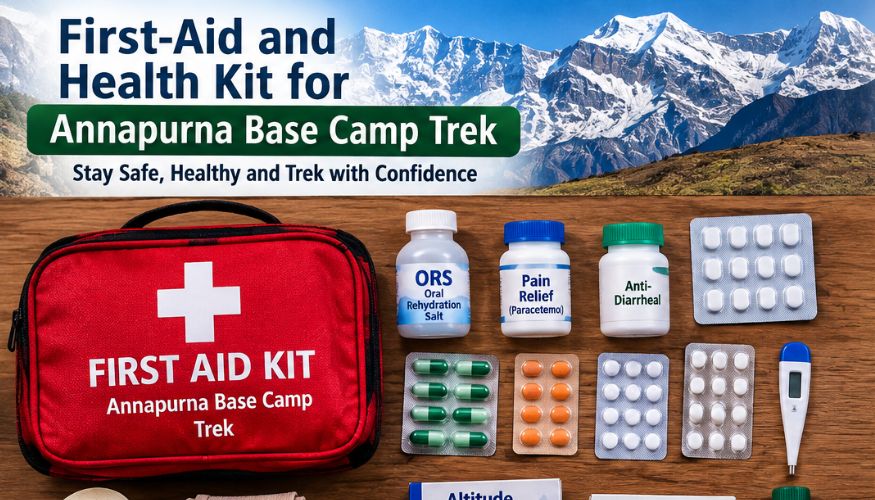
Having a basic first-aid and health kit is an essential component of your packing list.
Pack basic equipment for small cuts, abrasions, headaches, and blisters, as well as any medication that you regularly take. Drip salts or electrolyte packets can be beneficial throughout longer walking days, and altitude sickness medication must only be taken based on the advice of a qualified service provider before you trek.
If your symptoms are serious or getting worse, especially signs of altitude illness, you must not just keep walking and seek medical help; follow the guide or healthcare professional on whether you should stop or go down.
Electronics and Power
Keep your electronics simple and lightweight for the ABC Trek. A mobile phone serves the purposes of communication, capturing pictures, maps and many other basic functions, whereas a power bank is used as a backup where charging facilities are scarce. Pack the right charging cords and have a universal adapter handy as required. Camera and batteries are only optional, whilst headphones work for one’s own entertainment.
The solar charger is helpful on many longer trips, but a power bank is probably the better choice when travelling the ABC Trek.
Documents and Money
You must carry your passport, essential trekking permits and documents for travel insurance, emergency contact details, and ample Nepalese rupees to pay along the Annapurna Base Camp Trek.
Always carry documents and cash inside a waterproof pouch or dry bag to keep rain and moisture out. Digital detailed copies of your passport, insurance, and important contacts are also smart backups to have.
Food and Snacks to Pack
Teahouses serve food along the Annapurna Base Camp Trek. It is helpful to carry some lightweight and high-energy snacks with you. Chocolate, nuts, dried fruits, energy bars and trail mix are all easy to carry around; they do not need to be prepared. Just eat them when the walking sections are long, and a useful electrolyte powder that dissipates in water can help make it drinkable.
Personal snacks are particularly useful when you’re in a gap between meals, or on a long walk when you know you won’t reach a teahouse soon.
Water and Hydration Gear
You need to take a sterile water bottle or hydration bladder propensities regular, and it ought to be adequately large for multi-day walking, regardless of whether that is filled from a wellspring of water you can treat with tablets or with your portable filter. Your own hydration system makes it easier to get frequent water during endless and uphill sections.
The more practical setup is to have a 2-3 liters of water capacity, based on the distance of your route for that day, the weather conditions and your grade points available.
Annapurna Base Camp Packing List by Season
The basic packing list for the Annapurna Base Camp Trek is mostly the same throughout the year, but weather will dictate how much clothing and what type you need.
Spring and fall require a good combination of trekking apparel with or without warm clothes; monsoon requires tougher rain cover and quick-dry clothing, while winter would require more insulation and cold-weather gear.
The table below offers a simplified guide so you can refine your packing for every season and leave the superfluous at home.
| Season | Main Packing Focus | Important Items to Pack |
| Spring (March to May) | Mild to cold conditions, changing weather | T-shirts, trekking pants, thermal layers, fleece, down jacket, waterproof jacket, gloves, hat, hiking boots |
| Summer / Monsoon (June to August) | Rain, wet trails, humidity | Waterproof jacket, waterproof trousers, backpack rain cover, dry bags, quick-dry clothes, extra socks, trekking boots |
| Autumn (September to November) | Stable weather, colder nights | T-shirts, trekking pants, fleece, down jacket, thermal layers, waterproof jacket, gloves, hat, hiking boots |
| Winter (December to February) | Cold temperatures and possible snow/ice | Thermal layers, warm down jacket, fleece, gloves, warm hat, warm socks, sleeping bag, waterproof jacket, hiking boots, microspikes if needed |
Tip: For every season, carry a daypack, water bottle or hydration bladder, trekking poles, sunglasses, sunscreen, personal medication, first-aid supplies, headlamp, toiletries, documents, and basic snacks.
Can You Rent Trekking Gear for the ABC Trek?
You can rent quite a few pieces of trekking gear for the Annapurna Base Camp Trek, especially in Kathmandu and Pokhara. Things like sleeping bags, down jackets, trekking poles and various other gear can sometimes be rented rather than bought.
Things like hiking boots, socks, underwear, toiletries, and personal medication are usually better to bring from home. Renting some heavy or costly equipment that you are not likely to use again is a handy way of minimizing luggage as well as cost.
Read More about our gear rental guide: Can I Rent Trekking Gear in Kathmandu?
ABC Trek Packing List for Female Trekkers
Below is an essential Annapurna Base Camp packing list for female trekkers, but you should take particular care of comfortable clothing, personal hygiene, menstrual products plus suitable layering. Wear moisture-wicking, quick-dry clothes that are layerable depending on the weather and pack a few hygiene products for personal cleansing throughout the trek.
It is also recommended to pack menstrual products based on your preferences, along with small disposal bags as needed. In luggage, you want to keep things compact; a small toiletry kit takes care of all of your day-to-day hygiene needs.
- Clothing Considerations: Pack comfortable, breathable, quick-drying trekking clothes with suitable warm layers.
- Personal Hygiene: Carry hand sanitizer, wet wipes, toilet paper, biodegradable soap, and other personal hygiene essentials.
- Menstrual Products: Bring your preferred pads, tampons, menstrual cup, or other products in sufficient quantity.
- Toiletries: Keep toiletries lightweight and pack only what you need for the trek.
- Appropriate Trekking Layers: Use a base layer, fleece or insulating layer, and waterproof outer layer so you can adjust to changing temperatures.
Complete Annapurna Base Camp Packing Checklist
I have listed below a complete packing gear list based on my personal experience, which will 100% help you have a successful, comfortable and safe trek. You can print it on paper and pack your Annapurna Base Camp Trek Gear according to this packing guide.
| Category | Essential Items | Quantity |
| Clothing | Base layers, shirts, pants, fleece, down jacket, waterproof jacket | 1-3 each |
| Footwear | Hiking boots, trekking socks | 1 pair + 4-5 pairs |
| Backpack | Daypack, duffel bag, rain cover | 1 each |
| Sleeping | Sleeping bag | 1 |
| Accessories | Trekking poles, headlamp, sunglasses, buff | 1 each |
| Hydration | Water bottles/hydration bladder | 2-3 L |
| Health | First-aid kit, personal medication, electrolytes | 1 set |
| Toiletries | Toothbrush, soap, toilet paper, sunscreen | 1 each |
| Electronics | Phone, power bank, charging cables | 1 each |
| Documents | Passport, permits, insurance, cash | 1 set |
| Snacks | Energy bars, nuts, chocolate, trail mix | As needed |
Note: Pack only what you will actually use, adjust clothing for the season, and keep your total luggage within your porter’s agreed weight limit.
FAQs
What should I pack for the Annapurna Base Camp Trek?
You should pack comfortable hiking boots, layered clothing, a warm jacket, waterproof gear, a sleeping bag, trekking poles, water bottles, basic first-aid supplies, toiletries, documents, and essential electronics.
How many clothes should I take for the ABC Trek?
For most trekkers, 2–3 trekking shirts, 2 trekking pants, 1 fleece, 1 down jacket, 1 waterproof jacket, and 4–5 pairs of socks and underwear are practical.
Do I need a sleeping bag for Annapurna Base Camp?
Yes, a sleeping bag is recommended, especially since nights are colder at higher elevations.
Do I need hiking boots for the ABC Trek?
Yes. You need comfortable, broken-in hiking boots with good traction for the uneven, rocky trail.
Can I rent trekking gear in Pokhara?
Yes. You can rent trekking equipment in Pokhara, including sleeping bags, down jackets, trekking poles, and other gear.
How heavy should my backpack be?
Keep your personal daypack as light as possible. If using a porter, your main luggage should stay within the agreed porter weight limit, typically 15–20 kg.
Do I need trekking poles for Annapurna Base Camp?
Yes, Trekking poles are recommended, especially for steep uphill and downhill sections along the trek.
What should I pack for ABC in winter?
For winter, you have to pack thermal layers, a warm down jacket, fleece, gloves, a warm hat, warm socks, a suitable sleeping bag, a waterproof jacket, and appropriate footwear.
What should I pack for ABC during monsoon?
In Monsoon, waterproof clothing, backpack rain cover, dry bags, quick-drying clothes, extra socks, and footwear with good traction.
Do I need crampons or microspikes for Annapurna Base Camp?
They are not normally essential throughout the year, but microspikes can be useful during icy or snowy conditions.
Should I bring a water purification system?
A water purification method, such as tablets or a portable filter, is recommended if you plan to treat available water sources.
What snacks should I carry?
Useful lightweight snacks include energy bars, nuts, dried fruits, chocolate, trail mix, and electrolyte powder.
Can I buy trekking gear in Kathmandu or Pokhara?
Yes. You can buy trekking gear in both Kathmandu and Pokhara. There are trekking shops where you can buy or rent many common trekking items.
Final Thoughts
You don’t need to overpack for the Annapurna Base Camp Trek. You can pack basic Comfortable shoes, insulation layers, waterproof protection, hydration, basic medical supplies and personal gear.
Keep your gear as lightweight as possible, rent large pieces of equipment when needed and adapt your garments and accessories to the climate situation. Following the well-planned packing guide will assist you in being comfortable without carrying heavy luggage in a backpack throughout the trek.