
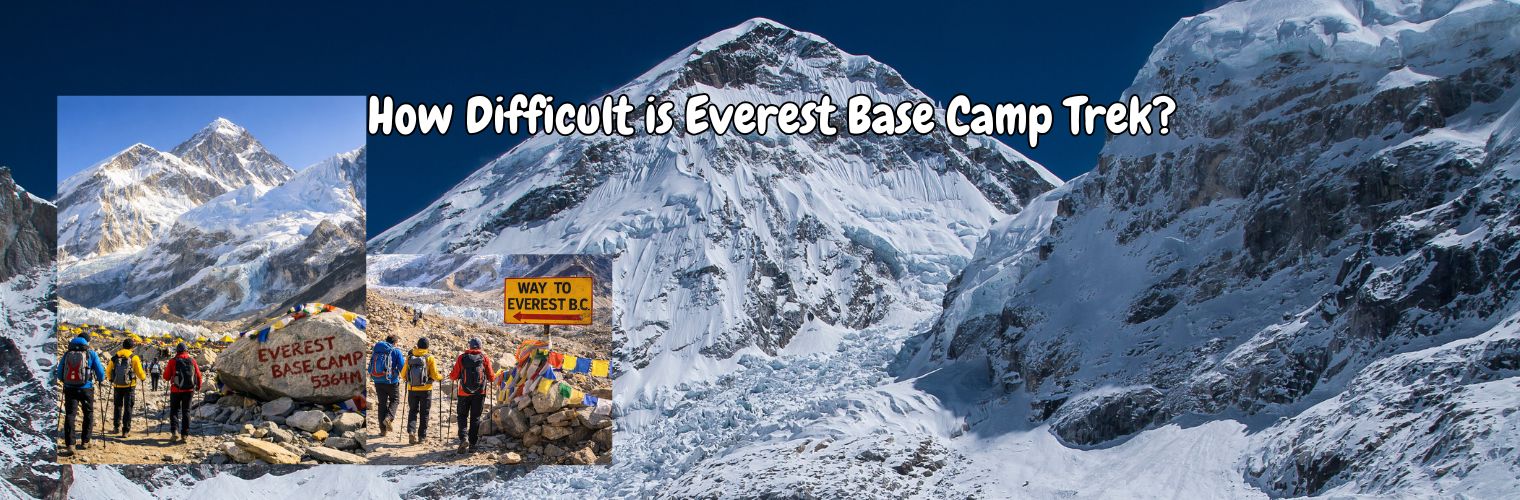
Everest Base Camp Trek Difficulty
Before you start on the Everest Base Camp Trek, you might wonder how difficult it is. Right?
Every year, thousands of trekkers visit Nepal’s Everest region with the goal of reaching Everest Base Camp, 5364 meters above sea level, known as the base camp of the world’s highest mountain. The trail doesn’t require any technical climbing skills or mountaineering gear, making the trip successful for most travellers.
But the real challenge is high altitude, long daily walking hours, and rapidly changing weather in the mountains, making it a physically demanding journey.
The Everest Base Camp trek is generally considered an extreme adventure, but the trek can be achievable with good fitness, proper acclimatization, and at a slow pace. You walk slowly while trekking.
Quick Summary
- The Everest Base Camp Trek is rated moderate to difficult, primarily because of high altitude, long days of trekking and variable mountain weather.
- The main challenges are reduced oxygen at high altitudes, daily walking distances of 10–15 km, steep terrain, and cold weather in the Himalayas.
- At Everest Base Camp (5,364 m), 50% less oxygen is present than at sea level, acclimatization at Namche Bazaar, Tengboche and Gorak Shep becomes essential.
- Trekkers should be able to walk 5 to 7 hours a day, on uphill trails, and carry a light daypack, with preparations such as practice hiking, cardio, and strength-building.
- The trek doesn’t involve technical climbing, and many beginners do it every year with good fitness, slow pacing and proper acclimatization.
- Spring and autumn are the best trekking seasons, as they generally bring stable weather, clearer trails and better visibility of the mountains and help to reduce difficulty.
What Is the Difficulty Level of the Everest Base Camp Trek?
Generally, the Everest Base Camp Trek is rated as moderate to extremely challenging. The high altitude and the physical work involved over several days of walking. make the trek tough.
Trekkers typically walk 5 to 6 hours each day, often on trails with steep ascents and descents. Hiking becomes more strenuous at higher altitudes as there is less oxygen available, making this trek a challenge on the body.
Despite these challenges, you don’t need any technical climbing skills for the trek. With training and gradual ascent, individuals in good physical condition and properly acclimatized can do it.
What Factors Really Make the Everest Base Camp Trek Difficult?
Everest Base Camp trek difficulty is determined by high altitude, trek distance, terrain, and weather conditions. Even so, the main factors that make the Everest Base Camp trek difficult are the high altitude, where the oxygen content diminishes gradually as trekkers ascend deeper into the Himalayas. The oxygen level at Everest Base Camp is about 50% lower than at sea level, which can make breathing harder and increase physical fatigue.
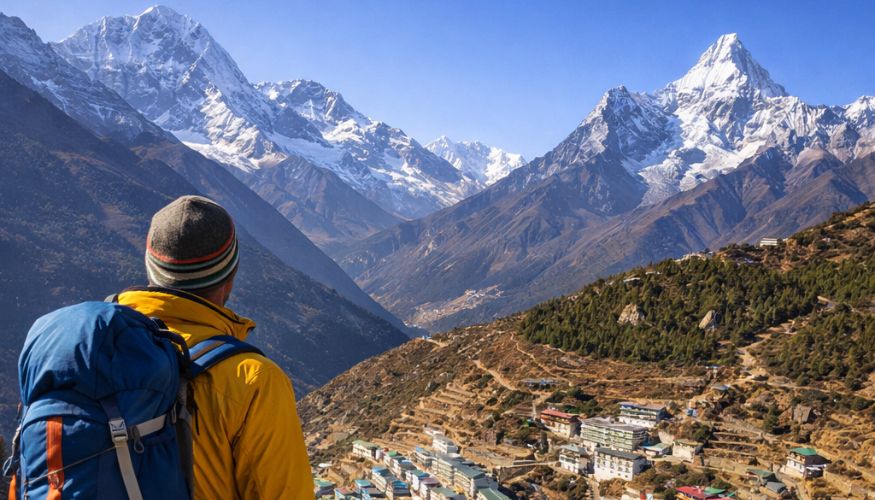
Due to this, some trekkers have to face altitude sickness when proper acclimatization is not done. Therefore, all Everest base camp trekkers stay an extra day to acclimatize at Namche Bazaar, Tengboche Monastery and Gorak Shep.
Another reason is the long distance of daily treks. The most common daily trekking distance is 10-15 kilometres, which equates to about 5 to 7 hours of hiking. Steep inclines, declines, and other rough terrain can complicate physical effort as well.
The Himalayan weather can also complicate the trek. The temperature can be chilly, and trekkers may face strong winds and snowfall from time to time, especially at higher altitudes. Also, it crosses stone stairs and suspension bridges and climbs uphill, which can be exhausting after several days of walking, even though the trek doesn’t require technical climbing skills.
Can Beginners Do the Everest Base Camp Trek?
Yes, beginners can do the Everest Base Camp trek, but they should prepare well in advance. There are no required technical climbing skills to do the trek, but it does require physical effort and the ability to walk for days at high altitude. Physical fitness, acclimatization, and taking slow and steady trekking are the vital prerequisites. Every year, hundreds of first-timers successfully make the journey to Everest Base Camp by sticking to a slow itinerary and taking plenty of time in order to acclimatize.
If you want to know in detail about the Everest Base Camp Trek, Beginners guide, you can read our blog here: Everest Base Camp Trek for Beginners
Physical Fitness Required for the Trek
Everest Base Camp trek can be very tiring, and it requires a good amount of fitness to accomplish the challenge, as you walk for long hours and also gain altitude. Trek Drivers must be able to walk for 5 to 7 hours every day, manage steep uphill sections, and carry a small daypack with essentials like water, snacks, and additional garments.
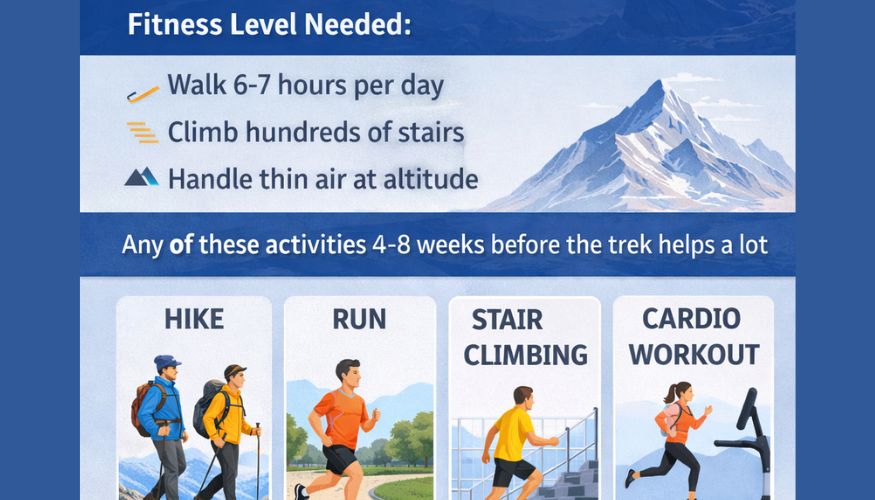
It is advised to build some stamina and strength before starting on the trek. Some good activities include regular hiking to train yourself for your specific terrain, cardio and strength training so you can get your legs and core in shape to last throughout months of high-mileage trekking.
Here is the best guide to prepare for the Everest Base Camp Trek: How to Prepare for the Everest Base Camp Trek
Altitude Sickness Risks
One major health risk is altitude sickness during high-altitude trekking. As trekkers ascend, the lower oxygen levels can influence the body’s capacity to adjust to the altitude. Some trekkers may develop symptoms like headaches, nausea, dizziness and fatigue.
These symptoms typically happen when the body doesn’t adapt properly to a higher altitude. There are also acclimatization days to provide the time to adjust to the altitude before proceeding higher, which can reduce these risks. Water intake, gradual ascending and observing signs of high-altitude sickness are essential during trekking to such heights.
Everest Base Camp Trek Difficulty by Day
The Everest Base Camp trek usually increases in difficulty as trekkers ascend the trail. Lower sections of the Roof trail require moderate walking distances, while higher points are more exertive because of thinning air, cooler temperatures and steeper terrain. The last leg is the hardest, with oxygen levels dropping further and rocky paths difficult to cross as trekkers approach Everest Base Camp.
| Details | Difficulty |
| Lukla to Namche Bazaar | Moderate |
| Namche Bazaar to Dingboche | Moderate |
| Dingboche to Lobuche | Difficult |
| Lobuche to Everest Base Camp | challenging |
Tips to Make the Everest Base Camp Trek Easier
With proper preparation, the Everest Base Camp trek can be more attainable. To reduce fatigue on a trek, consider physical training prior to the trip, keeping a steady pace during the trek, staying hydrated, and carrying a lighter backpack.
| Tip | Details |
| Training Before Trek | Try to do long walks and cardio training leading up to the trek to help with endurance. |
| Walk Slowly | Walk slowly to allow the body time to acclimatize as you gain elevation. |
| Stay Hydrated | Drink enough water during the hike to facilitate acclimatization and sustain energy levels. |
| Pack Light | Carry only essential items to reduce weight and physical strain during long trekking days. |
Is Everest Base Camp Harder Than Other Treks in Nepal?
Yes, the Everest Base Camp trek is a bit harder than other trekking routes in Nepal, mostly because of its higher altitude. The trail climbs high enough that oxygen concentration is much lower, and physical difficulty can be magnified.
The Annapurna Base Camp Trek is often seen as slightly easier, given the elevation, with a maximum altitude lower than that of Everest Base Camp. The Annapurna Circuit Trek is further in distance, but the altitude gain is more gradual, at least for many trekkers, which makes acclimatizing easier.
The Everest Base Camp trek is higher in elevation and challenging, but does not involve technical climbing.
Best Time to Reduce the Everest Base Camp Trek Difficulty
The Everest Base Camp trek difficulty also depends on the season. Spring and autumn are the best seasons for trekking.
Those seasons The weather is generally more stable, trails are usually clearer, and there’s typically better visibility in the mountains. These conditions make trekking much safer and more comfortable when compared to the rainy, snowy, or extremely cold seasons.
If you want to know in detail about the best time for the Everest Base Camp Trek, read our blog: Best Time For Everest Base Camp Trek
Final Thoughts
The Everest Base Camp trek is a demanding but fulfilling trekking journey. With proper preparation, physical conditioning and proper acclimatization, many trekkers can complete the trek to the base of the world’s highest mountain.
FAQs
Is it a hard trek to Everest Base Camp?
The Everest Base Camp trek is extreme difficulty trek. The biggest challenge is altitude and long days of trekking, but with good preparation and pacing, many trekkers do complete it.
Is the Everest Base Camp trek possible for beginners?
Yes, the trek can be done by beginners, provided they are reasonably fit and acclimatize correctly during the trip.
How many hours do you walk a day?
Trekking days typically range from 5 to 7 hours of walking per day; this can vary based on the distance between villages and individual itineraries.
What is the most difficult section of the Everest Base Camp trek?
The final leg is usually the hardest, as it lies closest to Gorak Shep and Everest Base Camp.