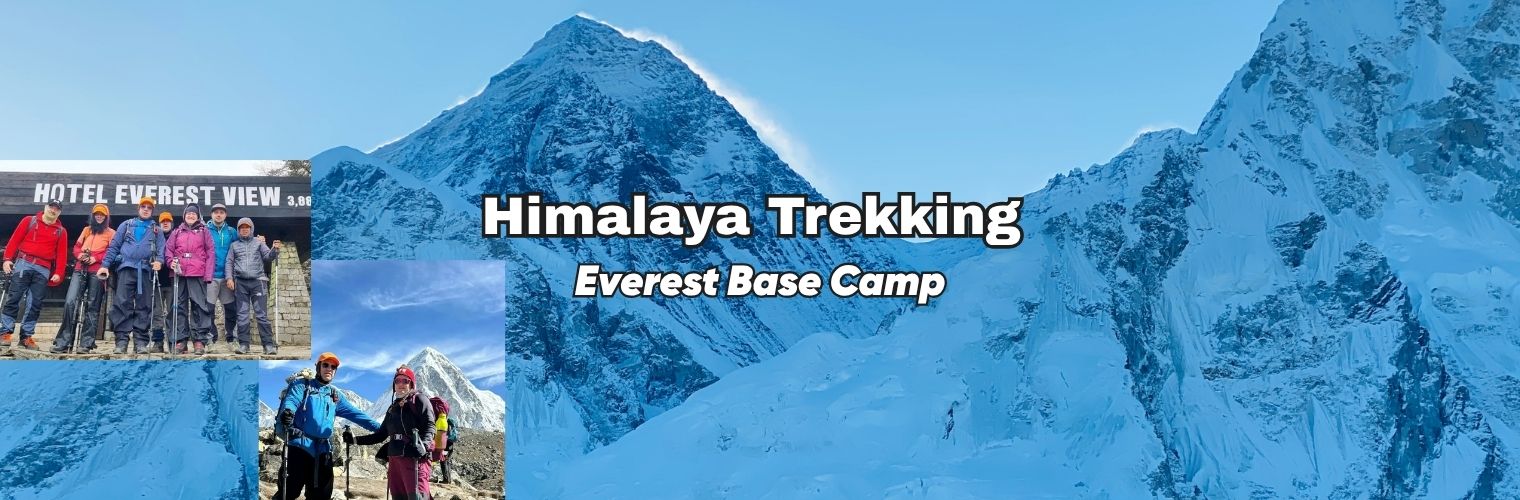
Himalaya Trekking Everest Base Camp
When planning a trek in the Himalayas, most travellers focus on Everest Base Camp.
Everest Base Camp is a widely popular Himalayan trekking destination in Nepal. It is at an altitude of 5,364 meters, and the base of Mount Everest is the tallest mountain in the world.
Himalaya trekking entails traversing high-altitude terrain, mountain villages, and preserves formed by altitude and weather. Among these routes, however, the Everest Base Camp trek is considered one of the most renowned because it is located in a remote yet accessible region and features a well-planned trekking route system.
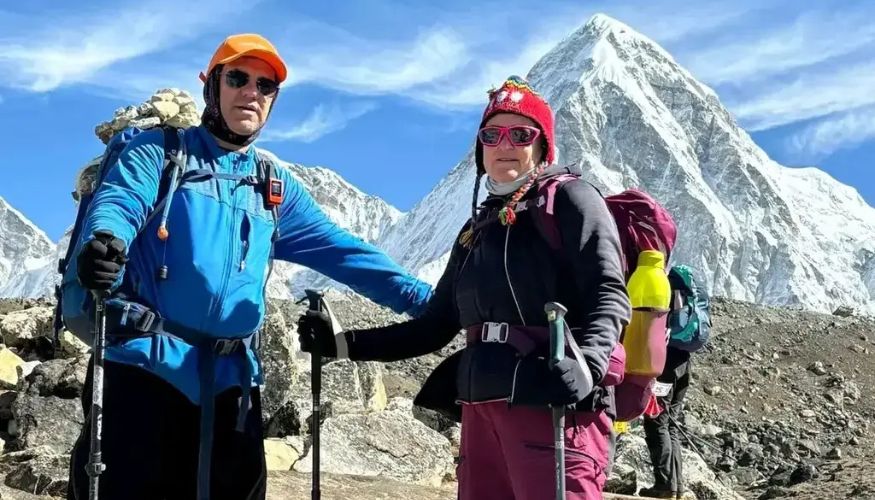
This is a gradual ascent route with established trails and limited support from local settlements. This guide covers everything about Himalayan trekking to Everest Base Camp you need to know about how the trek works in terms of itinerary structure, cost considerations, how technical or difficult it is and practical information on how to prepare for trekking in general or just the Everest region specifically.
Quick Summary
- Everest Base Camp lies in the Khumbu region of Nepal at 5,364 meters, inside Sagarmatha National Park.
- The Everest Base Camp trek takes 12–15 days, including acclimatization days for altitude adjustment.
- The trek is moderate to Extreme, mainly due to high altitude, long walking hours, and reduced oxygen levels.
- Himalaya trekking Everest Base Camp costs range from $1,100 to $2,500+, depending on budget, standard, or luxury packages.
- The ideal seasons are spring and autumn for clear views and stable weather.
- The route offers mountain views, Sherpa culture, teahouse accommodation, and a well-established trekking system, making it one of the most iconic Himalayan treks.
Where Is Everest Base Camp Located?
Everest Base Camp is located in the Khumbu region of northeast Nepal and is part of Sagarmatha National Park. This is a protected area that encompasses Mount Everest and the surrounding terrain in the Himalayas.
The base camp is at an elevation of 5,364 meters above sea level. It serves as the last trekking point for most tourists, and a seasonal staging ground for climbing expeditions.
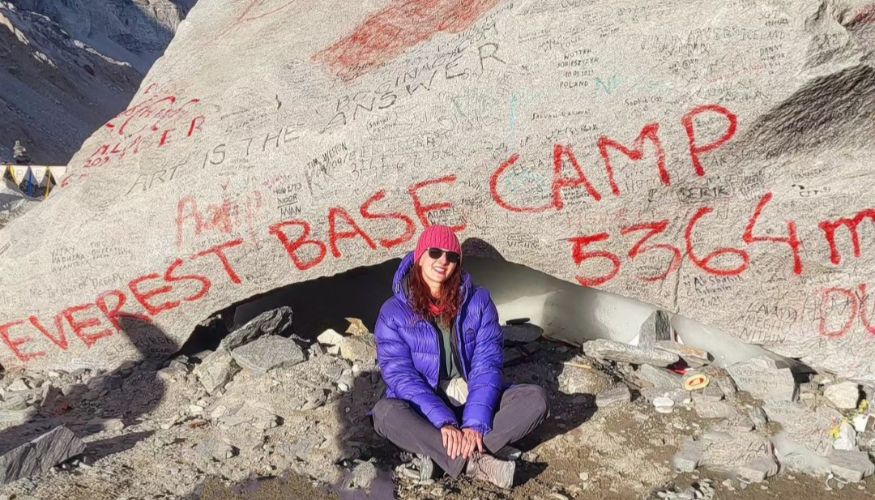
It is surrounded by the world’s most prominent Himalayan peaks, including Mount Everest, Lhotse and Nuptse. All three mountains dominate the other scenery of Khumbu and can be seen at various points along the trekking trail.
Why Choose the Everest Base Camp Trek in the Himalayas?
The Everest Base Camp trek lies in one of the highest mountain regions in the world, within Nepal’s Khumbu region. The route takes trekkers through high-altitude landscapes sculpted by glaciers, valleys, and peaks in the Himalayas.
Trekkers get close-up views of the big mountains along the trail, including Mount Everest itself, as well as Lhotse and Nuptse. The peaks are visible from various areas of the route, especially at higher elevations.
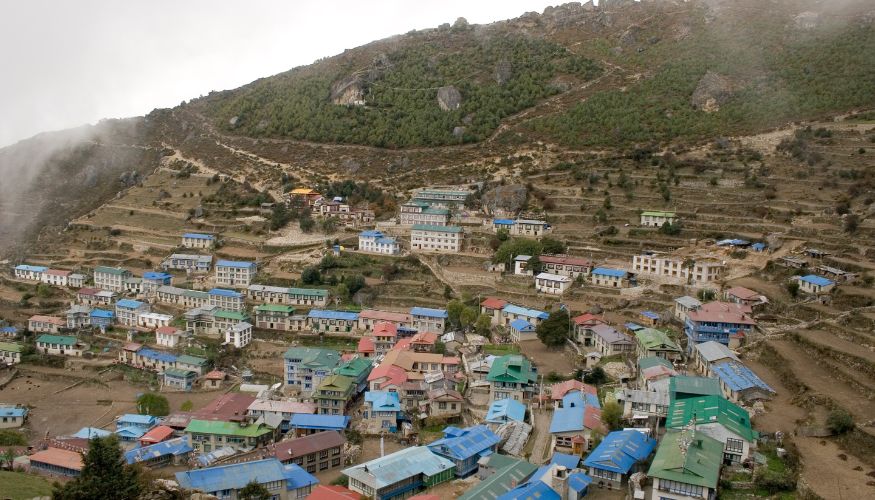
The route also traverses Sherpa villages like Namche Bazar, where local culture and daily life, including monasteries, are intimately interwoven with the mountain setting. This infusion of culture is an intrinsic part of the trekking experience.
Now, on the ground, in practical terms, the Everest Base Camp trek is an adaptation of altitude, landscape, and multi-day trekking into a defined trail. Physically, it is demanding, but does not involve technical climbing and thus is regarded as one of the most organized trekking routes in the Himalayas.
Everest Base Camp Trek Itinerary Overview
The Everest Base Camp trek has a fixed route for the Khumbu region, which is generally completed in 12 to 15 days. Our itinerary has been designed to allow gradual gain of altitude and some key acclimatization stops along the way.
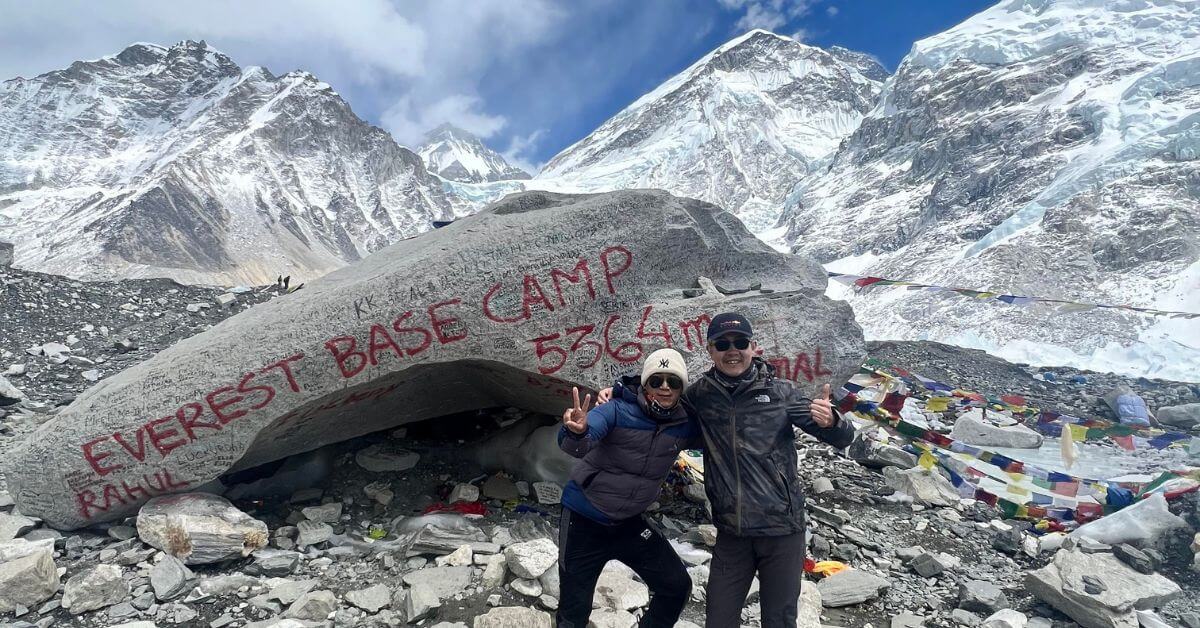
Everest Base Camp Trek
Join Our 15-day Everest Base Camp Trek in Nepal. Explore Namche Bazaar, Tengboche, and enjoy the beautiful views of Mount Everest and the Khumbu region.
The EBC trek starts with a flight from Kathmandu to Lukla and then follows a trail through a succession of mountain settlements. It goes via Phakding and Namche Bazaar, the main acclimatization point for trekkers. The trek then goes on to navigate through Tengboche, Dingboche and Lobuche until reaching Gorak Shep, then Everest Base Camp 5,364m.
Notable points along the route include Namche Bazaar, the religious site of Tengboche Monastery, Kala Patthar, and the viewpoint of Mount Everest.
| Day | Route |
| Day 1 | Arrival in Kathmandu |
| Day 2 | Fly from Kathmandu to Lukla, then Trek to Phakding |
| Day 3 | Trek from Phakding to Namche |
| Day 4 | Acclimatization Day in Namche |
| Day 5 | Trek from Namche to Tengboche |
| Day 6 | Trek from Tengboche to Dingboche |
| Day 7 | Acclimatization Day in Dingboche |
| Day 8 | Trek to Lobuche |
| Day 9 | Trek Lobuche to Ghorakshep, then a short hike to Everest Base Camp, and return to Ghorakshep |
| Day 10 | Morning hike to Kala Patthar, then descend to Pheriche |
| Day 11 | Trekking from Pheriche to Namche Bazaar |
| Day 12 | Namche Bazar to Lukla |
| Day 13 | Fly Back to Kathmandu |
| Day 14 | Kathmandu Valley Sightseeing |
| Day 15 | Final Departure |
This itinerary structure is widely used because it balances trekking distance with altitude adaptation and includes the main landmarks of the Everest region, and if you are experienced trekkers and want to do the Short Everest Base Camp Trek, you can customize the itinerary.
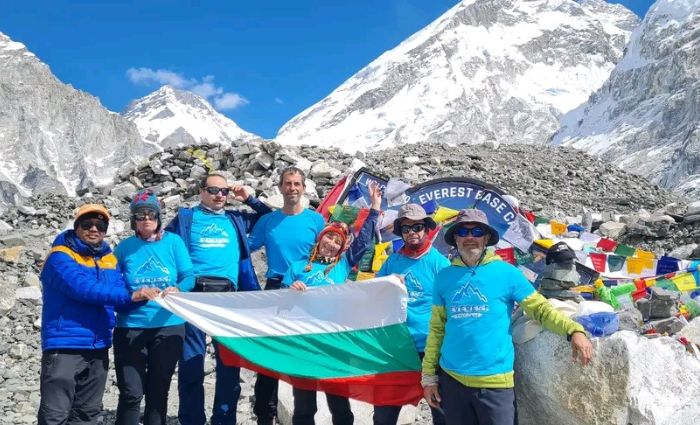
Short Everest Base Camp Trek
Join Our Short Everest Base Camp Trek with Lukla flight, Namche Bazaar, and unforgettable views of Mount Everest and surrounding peaks.
Difficulty of the Everest Base Camp Trek
The Everest Base Camp trek is generally rated moderate to difficult, but difficulty is relative to altitude and endurance as opposed to technical terrain.
The route is a multi-day walking on rocky paths with consistent up and down. The average time spent trekking each day is between 5 and 7 hours, depending on the section and speed.
The main difficulty is the accumulation of altitude. As the elevation goes up, oxygen depletion occurs as altitude increases, which can lead to symptoms of acute mountain sickness (AMS) if it is not looked after. That means acclimatization and controlled pacing are key elements of the trek.
From a physical demand perspective, the hike is not an easy endeavour and requires an above-average level of fitness as well as the capability to sustain walking for many days at altitude.
Cost of the Himalaya Trekking Everest Base Camp
The cost of the Himalayan trek to Everest Base Camp depends on the travel style, level of service, and overall comfort. Trekking prices fall into three general price categories: budget, standard, and luxury.
Budget treks offer basic services and cheap lodging, while regular packages provide organized logistics with guides and porters. Luxury options emphasize better lodges, more comfort and flexible services along the trek.
| Trek Type | Price Range (USD) | Details |
| Budget Trek | $1100 to $13,00 | Basic teahouses, simple meals, minimal support |
| Standard Trek | $1,300 to $2,500 | Guide, porter, flights, accommodation, meals, permits |
| Luxury Trek | $2,500+ | Premium lodges, higher comfort, flexible itinerary |
Cost differences depend on accommodation standards, support services, and how logistics are organized during the trek.
if you want to know the actual cost details about the EBC Trek, you can read our blog: Everest Base Camp Trek Cost
Best Time for Everest Base Camp Trek
The best season for the Everest Base Camp trek is determined by the seasonal weather patterns in the Himalayas. Weather dictates visibility, trail stability, and the overall experience while trekking.
Spring (March to May) has fairly stable weather, moderate temperatures and clear views in the mornings. As conditions are stable, more trekking is occurring during this time.
Autumn (September to November) is the most reliable season; enjoy dry weather, clear skies and strong mountain visibility. During this period, trail conditions are stable.
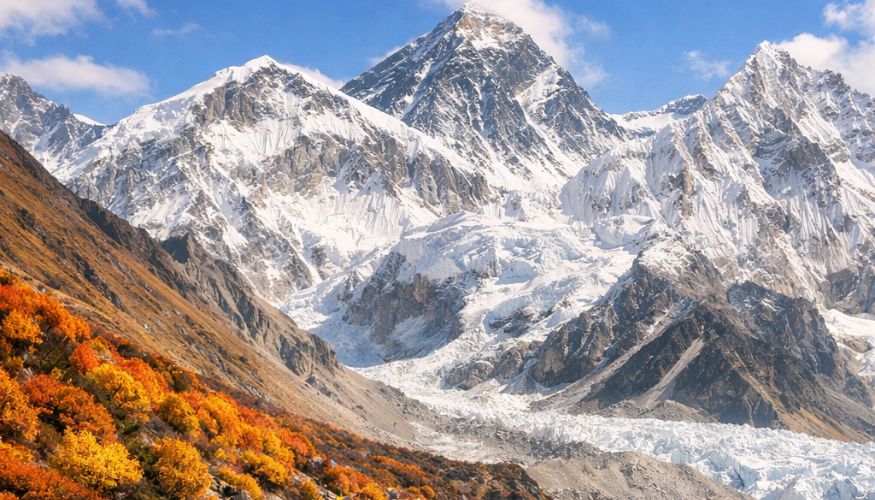
Winter (December to February) brings cold temperatures and sporadic snowfall at high elevations, while the monsoon (June to August) results in cloud cover, precipitation, and poor visibility.
In fact, the spring and autumn seasons are the best times to visit EBC, whilst winter and monsoon can be enjoyed with greater readiness and flexibility.
Accommodation and Food on the Trek
In the Everest Base Camp region, you will find accommodation in what is commonly called a teahouse system, with lodges found in every main village on the route. These teahouses offer simple rooms, shared dining areas and basic infrastructure catered to trekkers.
Food options are the same along the entire route. Most lodges have local meals, including dal bhat (rice, lentils, and vegetables), as well as common trekking foods (noodles, soups, fried rice and light international dishes). Availability is still very reliable, though selection grows thinner at higher elevations.
Permits Required for Everest Trekking
The authorities check the official permits required for trekking in the Everest Base Camp at our entry points along the route.
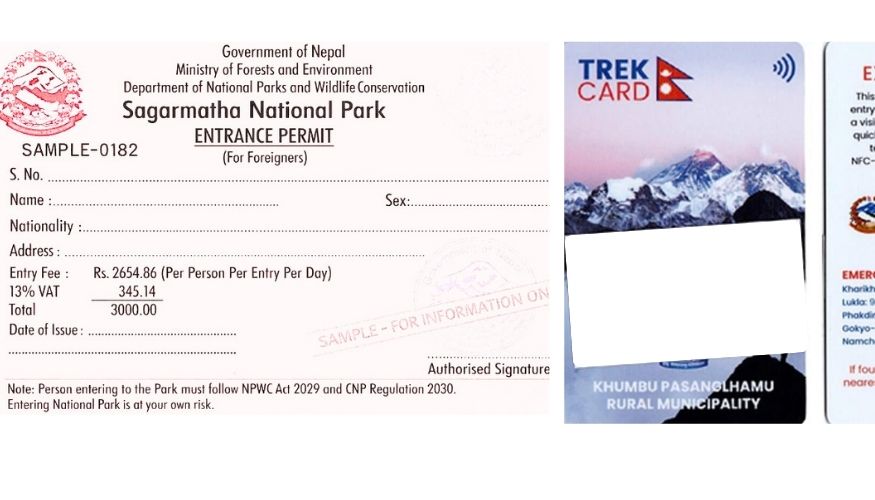
To enter the protected area where the trek is done, you need a Sagarmatha National Park permit.
Trekkers are also required to obtain the Khumbu Pasang Lhamu Rural Municipality permit, which applies to access to local administrative services for the region.
Both permits are required and should be carried throughout the journey.
Packing List for Everest Base Camp Trek
When backpacking for the Everest Base Camp trek, focus on layers, essential trekking gear and items needed for high-altitude conditions.
Temperature changes significantly with altitude, so wearing the right gear is important for both warm daytime trekking and chilly mornings and evenings. The gear is supportive of long walking days, the essentials are safety, hydration and basic comfort.
Which means take only what you need for altitude, weather extremes and multi-day trekking.
| Category | Items |
| Clothing | Base layers, insulated jacket, waterproof jacket, trekking pants, thermal wear, gloves, hat |
| Gear | Backpack, trekking poles, sleeping bag, headlamp, water bottle |
| Essentials | First-aid kit, sunscreen, sunglasses, personal documents, snacks |
If you want to know the seasonal packing details, you can read our blog: What to Pack for Everest Base Camp Trek.
Tips for a Successful Himalayan Trek
Reaching Everest Base Camp safely and in good health requires preparation, pacing and knowledge of mountain conditions.
Acclimatization becomes necessary as the altitude rises. Slow, steady progress with strategic rest days allows the body to acclimatize to diminished oxygen levels. Drinking a lot of water is also critical as you acclimatise, which will also enhance your overall energy levels on the trek.
Hiring licensed guides and porters helps with safety and logistics. Guides handle route planning and altitude awareness, and porters minimize exertion by carrying loads. This support enables trekkers to adhere to a consistent and sustainable speed.
Cultural Experience in the Everest Region
The Sherpa culture is not only an integral part of the Everest region, but its lifestyle is tightly linked with the high-altitude environment.
Trekkers pass through villages along this route where Buddhist monasteries, prayer wheels and stupas are part of everyday life. These religious aspects are so deeply ingrained in the Himalayas that they reflect thousands of years of belief and practice.
Local customs, hospitality and community structure are still apparent during the trek; cultural experience is embedded in the journey rather than happening in a separate process.
FAQs
How long does the Everest Base Camp trek take?
The duration for the Everest Base Camp trek takes around 12 to 15 days, which depends on the itinerary structure and acclimatization.
How hard is the Everest Base Camp trek?
It is moderate to Extreme, with difficulty primarily due to altitude, long walking days and terrain.
How much does it cost?
The Prices usually vary from $1100 to over $2,500, depending on trek budget, class, standard or luxury.
Can beginners do this trek?
Yes, a first timer with decent fitness and good pacing can do the trek without any technical experience.
What is the best time to go?
Spring (March to May) and autumn (September to November) are the best seasons for tourism because of stable weather, which allows for clear visibility.
Final Through
The Everest Base Camp trek offers a fusion of high-altitude vistas, organized trekking trails and rich cultural exchanges in the Himalayas. It involves gradual ascent, mountain views and multi-day walking rather than technical climbing.
In practical terms, it is still one of the most established trekking routes in Nepal. With proper planning, preparation and realistic pacing, it’s a one-off Himalayan experience.