
How Much Cash Should You Carry for EBC Trek?
If you are planning or already booking an Everest Base Camp Trek, you might be confused or curious about how much cash you should carry for the EBC Trek, right?
For a typical 12- to 15-day trek to Everest Base Camp, most trekkers should carry between USD 500 and USD 800. The exact number depends on your trekking package, personal spending habits, and the services included in your itinerary.
It is very important to have enough cash as soon as you leave Namche Bazaar because outside of this town, there are no secure ATM and few teahouses, restaurants, or small shops that accept credit cards or any digital payment.
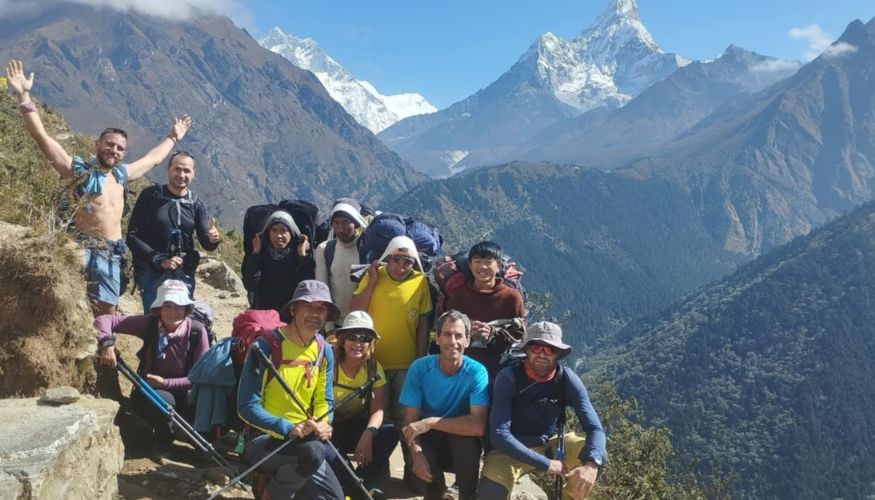
The cash provides for your personal expenses, Meals, hot showers, Wi-Fi, charging of electronic devices, snacks, bottled water, laundry, and tips for guides and porters.
This complete Everest Base Camp trek money guide teaches you how much cash you should carry for the EBC Trek, including per-day costs, accommodation prices, food pricing & hidden expenses, emergency funds, ATM availability, plus practical budgeting hints to smash plan your Himalayan adventure with confidence.
Do You Need Cash on the Everest Base Camp Trek?
Yes. For the Everest Base Camp Trek, you should always carry enough cash because throughout the Everest region, all businesses accept only cash. ATMs are not frequent after Namche Bazaar, and, as with most teahouses, restaurants, bakeries, shops, and lodges, credit cards and digital payments are not accepted.
Personal expenses like meals, hot showers, Wi-Fi, charging electronic devices, bottled water, snacks, and laundry charges for the guides and porters are paid in Nepali Rupees. The best is to avoid running out of money during the trek, withdraw more cash in Kathmandu before flying up to Lukla, and make sure you can go as planned and pay what you need.
How Much Cash Should You Carry for EBC Trek?
How much money you should carry to do the Everest Base Camp Trek is all about your personal travel style and what is included with your trekking package.
Budget trekkers are often the lowest spenders as they tend to use cheap services and accommodation, while standard or luxury trekkers generally pay more for comfort and other amenities.
No matter your budget, it is always a good idea to carry additional emergency cash in case of any unexpected emergencies such as delayed flights, extended accommodation, or medical claims.
| Types Of Trekker | Recommended Cash (USD) | Recommended Cash (NPR) |
| Budget Trekker | $500 to $600 | NPR 60,000 to 70,000 |
| Standard Trekker | $700 to $800 | NPR 80,000 to 110,000 |
| Luxury Trekker | $1000 to $1,500+ | NPR 130,000 to 150,000+ |
| Emergency Cash | $100 to $200 | NPR 15,000 to 30,000 |
Note: These estimates are personal expense during a standard 12 to 14 day Everest Base Camp Trek When you have a trekking package that includes accommodation, meals, permits, guide and porter fees all of which are generally covered; then cash if needed should be only for your personal expenses like Wi-Fi fee, charging fee for electronics devices, hot showers and drinks, snacks, laundry services and at the end contribution to tipping the staff.
Cash Breakdown by Expense Category Along The EBC Trek
Breaking down your Everest Base Camp Trek expenses per day. Whether you have booked a package or not will determine how much you end up spending each day. Regardless of whether you book a package or not, it is still advisable to have sufficient cash for personal expenses like drinks, snacks, Wi-Fi, charging devices, hot showers, and laundry services. For independent philanthropists, more money should be reserved for lodging and food on every leg of the trek.
| Expense Category | Estimated Cost (USD) |
| Meals (Per Day) | $25 to $45 |
| Drinks & Snacks | $5 to $10 |
| Accommodation (If Not Included) | $5 to $20 per night, depending on the teahouses |
| Charging Electronics and WIFI | $8 to $12 |
| Hot Shower and drinking water | $5 to $10 per day |
| Laundry | $5 to $10 |
| Souvenirs | $10 to $80+ |
| Guide and Porter Tip | $20 to $30+ per day |
Daily Spending Estimate
All price ranges fall between independent trekking and guided packages. All daily expenses are for independent and package trekkers, before paying for personal items not included in the tour plan. There are many reasons to plan your daily budget before your trek; you will not face cash insufficiency during the trek.
| Trek Type | Estimated Daily Budget (USD) |
| Independent Trekker | $70 to $100 |
| Package Trekker | $20 to $50 |
| Average Daily Spending | $40 to $90 |
ATM Availability on the Everest Base Camp Trek
There are very few ATMs available on the Everest Base Camp Trek, and those that exist are only grudgingly available. Before starting out, you can find a multitude of ATMs in Kathmandu, and Namche Bazaar is where, along the trekking route, ATM cash withdrawal facilities are available in larger villages.
But ATMs only occasionally experience downtime, usually because of cash shortages, power cuts, or network problems, and in Namche they are not completely reliable. The best practice is to have enough cash in Nepalese rupees before flying to Lukla in Kathmandu to cover your full trek.
| Location | ATM Availability |
| Kathmandu | Excellent |
| Lukla | Very Limited |
| Namche Bazaar | Limited |
| Dingboche to Everest Base Camp | Not Available |
Can You Use Credit Cards During the Trek?
Most hotels, restaurants, and companies in Kathmandu accept credit cards. Most teahouses, lodges, bakeries, and small shops along the Everest Base Camp trail take only cash. Some businesses in Namche Bazaar may accept card payments, with high service charges added to that, and ultimately, low-speed internet does not support normal transaction completion.
Best Currency to Carry
The most suitable currency for carrying during the Everest Base Camp Trek is Nepalese Rupees. Most of the businesses on the trail only work with local currency for day-to-day needs. In Kathmandu, it is possible to pay for hotels in US Dollars; however, they are not accepted in the teahouses or shops along the trekking route.
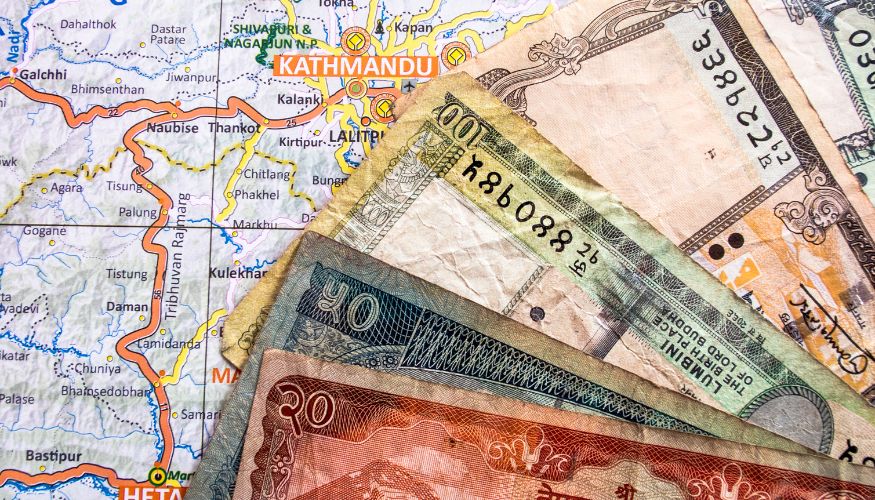
If you want to make payments in remote villages, exchange your money in Kathmandu before you start the trek and try to have the smallest denomination possible.
Hidden Expenses That Require Cash
Most trekkers only account for food and accommodation and don’t factor in quite a few incidental expenses that will jack up your total spend on the Everest Base Camp Trek. Flight delays, bonus lodging, emergency travel, and comparable expenses quickly add up, from added shots to further meals & snacks, powering gadgets and Wi-Fi.
Having some cash hidden away helps you deal with these unanticipated costs without added anxiety when travelling around the Himalayas.
Tips for Managing Your Cash
Carrying sufficient cash is just as necessary as managing your money well. Split your cash between locations, so not all of it gets lost at once. Travel with a lot of smaller denominations; they are more convenient for paying; stuff your cash in a waterproof pocket to avoid the rain and snow ruining everything;
But do not keep all your money in one pocket when trekking! These few precautions will keep your money safe throughout the Himalaya trekking Everest Base Camp.
Common Money Mistakes Trekkers Make
One of the main reasons why many trekkers run out of money on the Everest Base Camp Trek is that they have made a wrong calculation or budgeted poorly. Common mistakes include not bringing enough cash, using unreliable ATMs, failing to budget for tips to guides and porters, and forgetting personal expenses each day.
This will help you not be stressed, and the trekking can be very relaxed if you plan in advance about your cash requirements and carry extra cash for emergencies.
FAQs
How much cash do you need to bring for the Everest Base Camp Trek?
A quick note for trekkers: you need to have USD 500- 800 (NPR 65,000- 105,000) cash with you when trekking, depending on your package and spending habits; therefore, it is recommended that most people take this amount of money.
Is there an ATM available on the trail to EBC?
ATMs work relatively reliably only in Kathmandu and Namche Bazaar. ATMs in Namche frequently run out of cash or have technical difficulties, so you should take enough money before heading to Lukla.
How about tea houses? Can I pay with a credit card there?
Most teahouses, lodges, restaurants, and shops along the Everest Base Camp trail are cash-only. Perhaps during your stay at Namche Bazaar, some of the businesses may accept credit cards with extra service charges.
What currency should I bring?
Yes, Carry Indian Rs and carry only NPR for all your personal expenses during the trek. Even local businesses tend not to accept foreign currencies.
How much should I budget per day?
Independent trekkers should allow USD 60–100 a day, while package trekking hikers will likely need USD 20–50 a day for personal expenditure.
How Much Cash Do I Need To Carry During Trek?
Yes. For the Everest Base Camp Trek, carrying cash is safe. Store your money in a waterproof bag, split the amount into two places, and do not keep all your cash in one pocket.
Conclusion
Taking cash in the correct amounts is still a concern for plenty of men and women when preparing for an Everest Base Camp Trek. Most trekkers should expect to spend between USD 500 and $800, depending on their travel style, trekking package, and extra personal expenses. Besides what you would be using in a day, carrying some additional cash with you for emergencies is always prudent, such as flight cancellation compensation, extra overnight accommodation, or even a doctor’s visit.
Good planning and carrying enough cash in Nepali Rs will ensure you have no issues during your trek to Everest Base Camp. It will be safe, comfortable, but most importantly, a memorable adventure.