
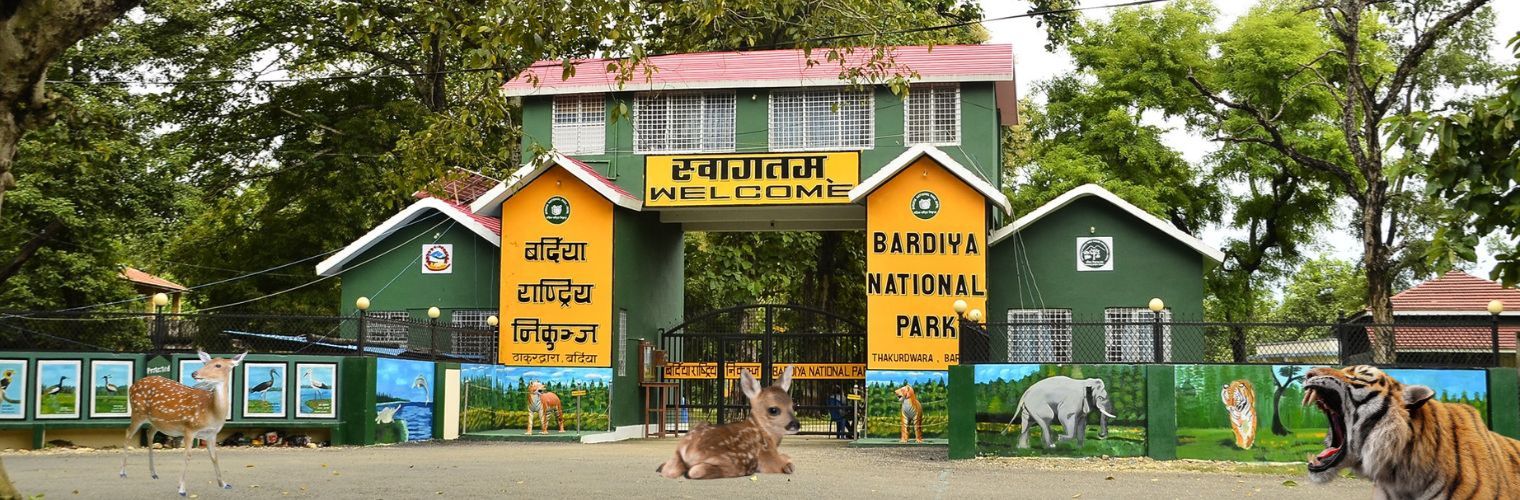
Bardiya National Park Tour
TripAdvisor Reviews Recommended by 99.99% travelers
USD 1250
Nepal
4 Days
Easy
1,350 meters at Kathmandu
Hotel/Lodge
Private Vehicle/Local Bus/Flight
2 Pax-20+
Spring
- Bardiya National Park tour is a 4-day wildlife journey designed around real tiger movement, not rushed sightseeing.
- Bardiya’s vast 968 square kilometer landscape keeps safaris quiet and wildlife behavior natural.
- The park holds 125 wild tigers with one of Nepal’s highest tiger densities.
- Low visitor numbers create calm safari conditions rarely found in other national parks.
- Guided jungle walks allow close reading of tracks, alarm calls, and river crossings.
- Jeep safaris cover grasslands and waterholes where animals gather during warmer hours.
- Early mornings and late afternoons maximize wildlife encounters during peak activity periods.
- Midday rest breaks balance heat management and long safari days naturally.
- Small group sizes ensure safety, silence, and minimal disturbance to wildlife.
- Limited network connectivity creates a deeper, distraction-free nature experience.
- The tour combines forest, grassland, and river habitats in a single itinerary.
- Ideal for travelers seeking patience, immersion, and authentic wildlife tracking experiences.
Bardiya National Park Tour Overview
Did you know? Bardiya National Park covers 968 square kilometers, making it Nepal’s largest national park in the lowland Terai region. In fact, it has one of the country’s highest tiger populations and remains significantly less visited than eastern safari parks. This park is about space, nature, and quiet safaris, which means it is perfect for all the nature lovers out there.
Bardiya National Park Tour in One Minute
This 4-day Bardiya National Park tour is designed for travelers whose primary interest is observing wildlife in a low-pressure, low-crowd environment. Bardiya is widely regarded as Nepal’s strongest tiger habitat, not because sightings are guaranteed, but because the landscape and conservation model support healthy predator behavior.
The park holds 125 wild tigers, confirmed by the 2021-2022 census, making it Nepal’s second-largest tiger population after Chitwan National Park. Unlike more commercial safari destinations, Bardiya allows guided jungle walks alongside jeep safaris, offering closer engagement with tracks, river corridors, and prey movement patterns.
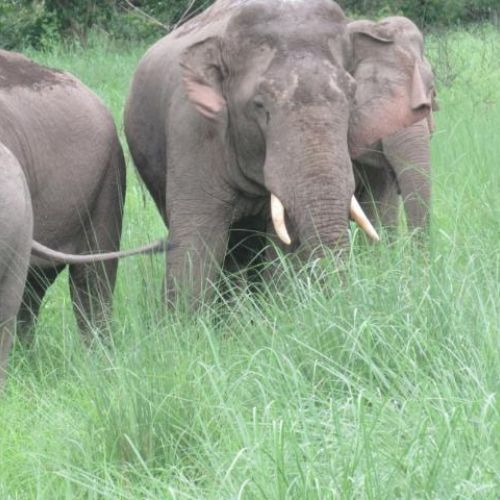
Over four days, the tour focuses on early-morning and late-afternoon activity windows, when wildlife movement is most likely. Sightings depend on season, guide expertise, and time spent in the park. This tour is built for travelers who value serious wildlife tracking over convenience, and quiet immersion over packed schedules.
Where Is Bardiya National Park Located
Bardiya National Park lies in Nepal’s southwestern lowland Terai, within Lumbini Province, close to the southern border with India’s Uttar Pradesh state. The park forms part of the wider Western Terai conservation landscape, connecting forest and river systems across national boundaries.
From Kathmandu, Bardiya is most commonly reached by a 45 to 60 minute flight to Nepalgunj, followed by a 2.5 to 3 hour drive covering approximately 74 to 90 kilometers to Thakurdwara, the park’s main headquarters area. However, if you wish to travel from Kathmandu by road covers about 527 kilometers and takes 8 to 12 hours, depending on conditions.
The park is bordered by the Karnali River system to the west and crossed internally by the Babai River, creating a rich riverine habitat. These river corridors play a central role in wildlife movement and prey concentration, which is one of the reasons Bardiya supports a stable and growing tiger population.
Bardiya National Park Area and Landscape
Bardiya National Park covers 968 square kilometers of protected lowland terrain, making it Nepal’s largest national park in the Terai region. Surrounding the core area is a buffer zone of over 500 square kilometers, where regulated tourism and community activities operate alongside conservation management. Some sensitive core zones remain closed, but both core and buffer areas are used for guided safari activities.
Around 70 percent of the park is sal forest, while the remaining landscape is made up of grasslands, savannah, and riverine forest. This mix is not uniform. Higher, well-drained ground supports dense sal forest, while floodplains along major rivers hold grasslands and khair-sissoo riverine forest. These transitions create natural edges where wildlife activity concentrates.
Bardiya is known for its phantas, short grass areas that were once cultivated land before the park’s establishment. During the monsoon, tall alluvial grasslands grow to three or four meters in height. In the dry season, this vegetation drops to one or two meters, improving visibility for both predators and visitors. The Babai Valley stands out as one of the most important habitat zones, combining grassland, woodland, and riverine forest.
The Karnali River system forms the park’s western boundary, while the Babai River cuts through the interior. Seasonal streams from the Siwalik Hills provide additional water sources during monsoon months. This river network supports prey movement and year-round water access, which is central to tiger survival.
Human settlement was removed from the core area during the park’s creation in 1976. Today, there are no permanent settlements inside the core zone, keeping disturbance low and allowing wildlife populations to function naturally.
Tigers in Bardiya National Park
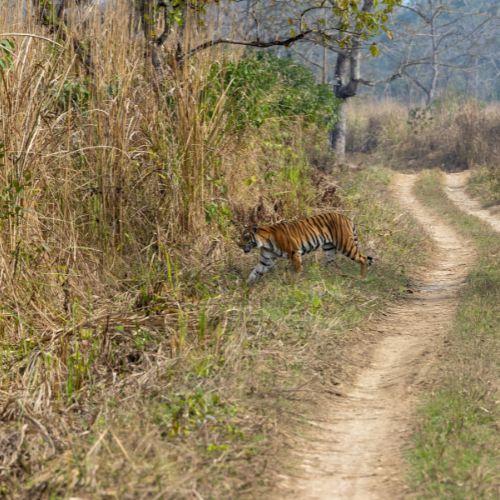
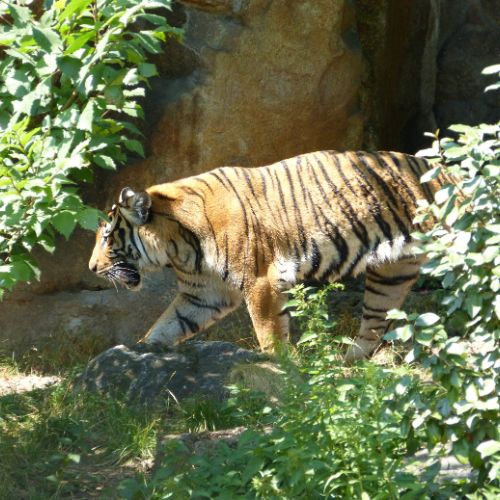
Bardiya National Park holds 125 wild Royal Bengal tigers, confirmed by the 2021–2022 census. While this number matches the tiger population of Chitwan National Park, Bardiya’s tiger density is more than double, with nearly eight tigers per 100 square kilometers. This difference is largely explained by lower safari pressure and strong prey availability.
Tiger numbers in Bardiya have increased steadily, rising from around 50 individuals in 2013 to 125 within eight years. This growth reflects effective protection, prey recovery, and reduced human disturbance inside the park.
Prey availability drives tiger behavior here. Spotted deer form the main food source and are most common in grassland areas. Sambar deer are found along forest edges and riverine zones. Swamp deer and wild boar supplement the diet, while smaller deer species play a limited role. High prey density allows tigers to maintain smaller territories and reduces the need for long-range movement.
Tiger activity follows seasonal patterns. During the dry months from October to May, animals concentrate near rivers, ponds, and salt licks where prey gathers due to water scarcity. During the monsoon, tigers disperse more widely as water and cover become abundant.
Tiger sightings are regular but unpredictable. Conservative estimates suggest around 40 percent success during multi-day visits. During peak dry months from February to May, visitors spending several days with experienced guides may see probabilities rise to 75–85 percent. Walking safaris, early morning departures, and patient tracking near water sources offer the best chances, though sightings are never guaranteed.
Is Bardiya National Park Safe?
Safety in Bardiya depends on a clear distinction between guided tourism inside the core park and daily life in the surrounding buffer zones. There have been no recorded tourist fatalities during guided safaris inside the core protected area.
However, human fatalities linked to tigers have occurred in the broader Bardiya district, particularly between 2020 and 2025. These incidents overwhelmingly involved local residents collecting fodder or grazing livestock in buffer zone forests, not visitors on regulated tours. This context matters when assessing actual risk for travelers.
And this is the reason why all park activities require official permits and licensed guides. Independent exploration is not allowed. Walking safaris operate with at least two trained guides and small group sizes. In some zones, armed park rangers accompany groups. Strict distance rules apply, and activities take place only during daylight hours.
Talking about jeep safaris, it follows separate safety protocols. Vehicles carry limited passengers, maintain controlled speeds, and keep engines running to allow quick repositioning if wildlife approaches. Guides rely on track identification and movement patterns rather than random driving.
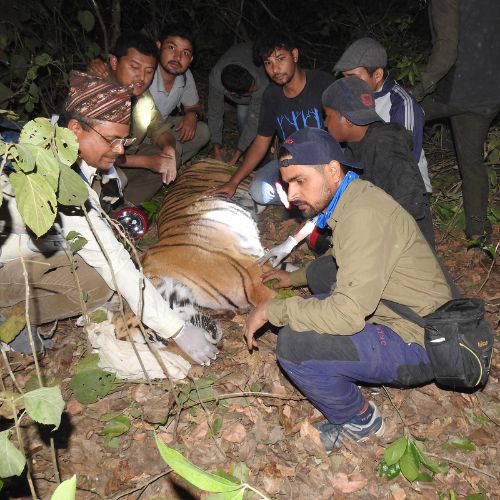
Park authorities maintain extensive patrol systems, radio communication networks, and zonation controls. Artificial water sources have been installed to reduce wildlife movement toward villages during dry seasons. Monitoring programs track individual tigers, allowing early intervention when conflict risk increases.
For visitors following park rules and guide instructions, the actual risk level is extremely low. Bardiya remains one of the safest places in Nepal to observe large wildlife under professional supervision.
What a 4-Day Bardiya Tour Feels Like
A 4-day Bardiya tour follows the natural rhythm of the jungle, not the clock.
Days begin early. Safari mornings start between 5:00 and 6:00 AM, when wildlife activity peaks. After a light breakfast, you head into the park for walking or jeep safaris during the quietest, most productive hours.
Late mornings slow down. From 11:00 AM to around 3:00 PM, most days include rest time at the lodge, which is essential during warmer months and part of how Bardiya avoids rushed itineraries. Afternoons resume gently, with activities running until sunset.
The safari mix feels balanced. Over four days, expect 1 walking safari, 1 jeep safari, and possibly a river or birdwatching walk. Groups stay small ( usually 3–6 people), and a naturalist guide is always present. The pace is observant rather than aggressive; waiting and watching is normal.
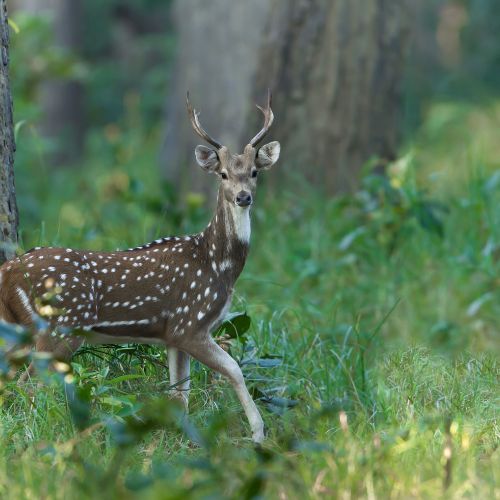
Crowds are minimal. Even in peak season, Bardiya feels quiet compared to other parks. You may go hours without seeing another vehicle, especially on walking safaris.
Physically, the tour is easy to moderate. Walking safaris require steady footing and attention, but distances are manageable. Jeep safaris are relaxed. Mentally, the experience is immersive: long periods of silence, tracking signs, and learning how the ecosystem fits together.
However, you need to realize that Connectivity drops away. Expect 6–10 hours a day without a mobile signal, which becomes part of the experience rather than a drawback. Evenings are calm, early, and restorative.
Overall, a 4-day Bardiya tour feels unhurried, quiet, and deeply focused on wildlife, rewarding patience rather than promising spectacle, which is exactly why serious nature travelers value it.
Bardiya National Park Tour Short Itinerary
- Day 1: Arrival in Kathmandu
- Day 2: Fly to Nepalgunj and Drive to Thakurdwara Bardiya
- Day 3: Full Day Jungle Walk in Bardiya National Park
- Day 4: Jeep Safari and Return to Kathmandu
Detailed Itinerary
Day 1: Arrival in Kathmandu
Trek Distance
10 km / 6.2 miles
Highest Altitude
1,350 meters / 4,429 feet
Trek Duration
30 minutes to 1.5 hours
Meals
Dinner
After arriving in Kathmandu, you meet the team outside the airport and begin a short drive toward your hotel. The route follows the airport road, joins the Ring Road briefly, then turns toward the city center.
As you move west, you pass local neighborhoods, roadside shops, and busy junctions before entering Thamel. Travel time depends on traffic, so the transfer usually takes around 30 minutes to 1.5 hours.
After checking in, the rest of the day is free to rest after the journey or take a short walk near the hotel.
Then, in the evening, our team will come to meet you at your accommodation. There, they will give you a quick brief about the tour.
Afterwards, you gather for dinner at the hotel or a nearby restaurant before staying overnight in Kathmandu.
Day 2: Fly to Nepalgunj and Drive to Thakurdwara Bardiya
Trek Distance
370 km / 230 miles by flight and 74 km / 46 miles by road
Highest Altitude
1,350 meters / 4,429 feet
Trek Duration
6 to 8 hours
Meals
Breakfast / Lunch / Dinner
After breakfast, you leave your hotel and drive to the domestic terminal. The transfer usually takes around 20 to 60 minutes, depending on traffic. At the airport, you complete check-in and security screening before boarding the flight.
Morning 9:00 AM to 11:00 AM Flight from Kathmandu to Nepalgunj
The flight heads southwest, moving from the hill landscape into the low plains. From the window, you can see himalayas fading into wide farmland areas as the aircraft descends toward Nepalgunj.
Late Morning 11:00 AM to 2:00 PM Drive from Nepalgunj to Ambassa
After landing, you meet the vehicle and begin the drive out of the city. The road passes local market areas, then opens into flat farmland with scattered villages and roadside trees. The first section is mostly paved highway, with steady, straight driving.
Afternoon 2:00 PM to 5:30 PM Ambassa to Thakurdwara Lodge Area
From Ambassa, the route turns toward Bardiya and becomes slower as the surface changes to gravel and dirt sections. You pass smaller settlements and field edges before the landscape shifts toward forest fringe. Sal forest begins to appear along the road, and a few seasonal stream crossings may slow the pace.
You arrive in Thakurdwara by late afternoon. After check-in, you have time to settle in and review the next day’s plan. The evening is usually quiet in the lodge area before staying overnight in Thakurdwara.
Day 3: Full Day Jungle Walk in Bardiya National Park
Trek Distance
26 km / 16 miles
Highest Altitude
200 meters / 656 feet
Trek Duration
10 to 11 hours
Meals
Breakfast / Lunch / Dinner
After tea or coffee, you meet your certified jungle guide at the lodge and check the water, packed lunch, and walking pace. Breakfast is light and early. Before leaving, the guide explains walking order, hand signals, and where to stop if wildlife appears.
Morning 6:00 AM to 7:15 AM Lodge to Karnali River Branch
The walk begins behind the lodge area on a narrow footpath through village fringe vegetation. After 10 to 15 minutes, the trail enters the sal forest with leaf litter underfoot and damp sections in shaded areas. The guide often stops to read tracks and scratches on trees.
In this section, tiger signs are common, especially pugmarks on soft ground and along animal paths. Black storks, crested serpent eagles, and kingfishers are sometimes seen near water edges.
Morning 7:15 AM to 8:30 AM Riverine Forest to Open Grassland
The trail shifts into riverine forest, then opens into tall grassland. The grass can reach head height, and the guide chooses a narrow path through it. This is a key hunting area because deer herds feed in open sections while using grass cover as shelter.
Spotted deer are common here, and sambar deer may appear deeper near the tree line. Peacock movement and calls are possible in open patches. If deer give alarm calls or move suddenly, the guide usually stops and scans the grass line.
Morning 8:30 AM to 10:00 AM Grassland to Forest Re Entry Trail
After the grassland, the route re enters forest on a single-file path. The ground has roots, low branches, and short creek crossings. The guide follows animal tracks that often connect forest cover to water points.
Tiger tracks can appear more frequently deeper in this forest section, especially near shaded bends and soft river-edge soil.
Late Morning 10:00 AM to 11:30 AM First River Viewing Point
You reach a clearing on a main branch of the Karnali River with open views across the water. The guide places the group at a viewing position based on wind and visibility, often behind bushes, rocks, or in a tree position.
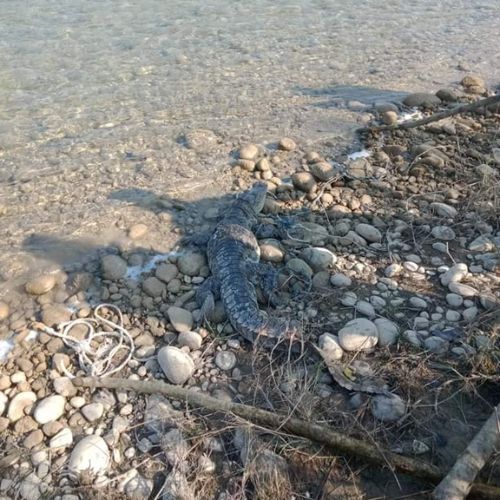
This is a known tiger drinking and crossing area. Tigers may appear on the opposite bank or along the river edge. Rhinos sometimes come to bathe, and crocodiles can be visible from a safe distance. Kingfishers, cranes, and white birds fishing in shallows are common.
Midday 11:30 AM to 12:30 PM Picnic Lunch and Rest
Lunch is taken in a shaded spot near the river or grassland edge. While resting, the guide often points out prints in sand or mud and explains how the animals move between forest cover and water.
Afternoon 12:30 PM to 2:30 PM Tin Kune Three Rivers Junction
From the lunch area, you walk toward Tin Kune, where river branches meet, and animal movement funnels through the junction. The trail follows river paths and opens into wider sightlines with sandbanks and water edges.
Tin Kune is the primary tiger hotspot of the day. The group usually stays longer here, scanning river edges, opposite banks, and crossing points. Deer herds often appear near water, and monitor lizards may be visible on the banks. Rhino activity is also possible in this zone.
Afternoon, 2:30 PM to 4:30 PM Secondary Viewing Points
After Tin Kune, the guide decides the route based on tracks and activity. The walk may include another river junction area, a forest tracking section, and a grassland overlook. These areas can show fresh signs even if animals stay hidden in cover.
Elephant signs can appear in forest edges, and bird activity remains steady along riverine sections.
Late Afternoon 4:30 PM to 6:00 PM Return to Lodge
The return follows a loop route to cover a slightly different forest and grassland line. You cross the same river branch again, then walk back through sal forest toward the lodge. After arrival, the evening is for shower, dinner, and rest, overnight in Thakurdwara.
Day 4: Jeep Safari and Return to Kathmandu
Trek Distance
370 km / 230 miles by flight and 74 km / 46 miles by road
Highest Altitude
1,350 meters / 4,429 feet
Trek Duration
14 to 15 hours total
Meals
Breakfast / Lunch
The last day at Bardiya starts after breakfast, when you meet the jeep driver and guide at the lodge entrance. The jeep enters the park on dirt tracks and follows established safari routes through grassland patches and forest edges. The guide uses radio updates to choose the first viewing area.
Morning 7:30 AM to 9:00 AM Northwestern Grassland Sector Drive
The jeep heads north and northwest into wider grassland areas with scattered sal forest patches. The track is rough and dusty, with short muddy sections depending on the season.
In this open zone, you often see spotted deer herds and grassland birds. The guide looks for tiger tracks on the road edges and sandy patches, and also checks elephant signs near forest lines.
Morning 9:00 AM to 11:00 AM Water Hole Observation Area
The jeep moves toward water points where animals gather during warmer hours. You stop near a viewing platform or tower area and scan the water edge and the surrounding grass line.
This is one of the stronger tiger probability areas during jeep safari because prey animals must come to water. Rhino visits are possible, and elephants sometimes approach water as a group. Monitor lizards can be seen on warm banks, and bird activity remains high around the water.
Midday 11:00 AM to 12:30 PM Picnic Lunch Break
Lunch is taken at a designated open area or shaded spot. The guide reviews the morning sightings and adjusts the afternoon route based on tracks and radio updates.
Afternoon, 12:30 PM to 3:00 PM Western Sector and Karnali River Area
After lunch, the jeep heads west toward the Karnali boundary through more riverine forest. The road becomes narrower with more tree cover and fewer open sightlines.
You stop at a Karnali river viewpoint to scan sandbanks for tracks and watch river edges for crocodiles. The safari then continues to a forest grassland junction where animals move between cover and open feeding areas.
This transition zone is used by tigers for hunting routes, and elephants also use it for movement.
Afternoon, 3:00 PM to 6:30 PM Return Drive, Airport, and Flight to Kathmandu
You return toward the lodge area, collect your bags, and begin the drive to Nepalgunj via Ambassa. The surface changes from a rougher local road back to a paved highway, passing farmland and settlements.
At Nepalgunj Airport, you complete check-in and board the flight to Kathmandu. After landing, you drive to your hotel area and check in. The evening is free, and overnight in Kathmandu.
Cost Includes
- Airport pickup and drop
- 3 nights accommodation in Thakurdwara, Bardiya (standard lodge or similar category)
- Full board meals in Bardiya (breakfast, lunch, dinner)
- Guided safari activities based on the package plan (walking safari and jeep safari)
- Licensed guide during activities
- Domestic air transfer from Kathmandu to Nepalgunj and return
- Transfers from Nepalgunj Airport to Thakurdwara and return
- Park entry permit
- A cup of tea or coffee during the tour
- Tour Completion Certificate
Cost Excludes
- International flight to Nepal
- Meals outside Bardiya
- Alcoholic drinks and personal snacks
- Tips for guides and lodge staff
- Travel insurance
- Optional extras like elephant ride, special boat safari upgrades, or private safari upgrades
- Anything not mentioned in cost excludes
Useful Information
Cost of Bardiya National Park Tour
The cost of a Bardiya tour mainly depends on three things: your lodge category, your group size, and how private you want the safaris to be.
Furthermore, the Group size changes the price a lot as well. Solo travelers usually pay the most because transport and guide costs are not shared. Small groups (2 to 4 people) get better value, and bigger groups can bring the per-person cost down further.
With that being said, the cost of the Bardiya National Park tour is $1250. And for the group discount, here is a table showing what prices would look like:
| Group Size | Price Per Person (USD) |
|---|---|
| 1 Pax | US$1250 |
| 2 Pax | US$1050 |
| 3–5 Pax | US$950 |
| 6–8 Pax | US$900 |
| 10+ Pax | US$850 |
| 12+ Pax | US$ |
The biggest cost add-ons are usually:
- Upgrading accommodation level (this can shift the total a lot)
- Adding a private jeep safari (often priced per day per group)
- Upgrading to an expert naturalist guide
- Extra walking safari permits (beyond normal entry)
- Domestic flights Kathmandu–Nepalgunj (often handled as a separate line item)
Disclaimer: The itinerary and cost can be changed as per personal preferences. It can be decreased or increased as per the traveller’s choice. Please kindly send us an inquiry to know in detail.
Weather and Temperature in Bardiya National Park
Bardiya lies in Nepal’s western lowland Terai, and its climate is tropical to subtropical, with clear seasonal shifts that directly affect wildlife movement and safari conditions.
Winter (December to February) is cool and dry. Early mornings range from 8-13°C, often with light mist that clears by mid-morning. Daytime temperatures sit comfortably between 22-25°C, making winter one of the most pleasant times for safaris, especially for visitors sensitive to heat.
Spring (March to May) is the hottest and driest period. Morning temperatures rise to 15-24°C, while afternoons regularly reach 31-39°C, with late April and May occasionally touching 40°C. Heat and humidity increase sharply, but this season offers excellent tiger movement, as animals concentrate around permanent water sources.
Summer and Monsoon (June to September) bring high humidity and heavy rainfall. Daytime temperatures stay between 33-37°C, while monthly rainfall peaks in July and August, with 386-474 mm of rain. Tall grasses grow over 3-4 meters, reducing visibility and pushing wildlife deeper into forest cover.
Post-monsoon autumn (October to November) provides some of the clearest conditions of the year. Temperatures range from 13-20°C in the morning to 28-32°C in the afternoon, with low rainfall and fresh greenery, which is ideal for photography and relaxed safaris.
Seasonally, February to May offers the best balance between visibility and wildlife activity, while October and November deliver the most stable weather overall.
Best Time to Find Tigers and Wildlife in Bardiya National Park
If your primary goal is to see wild tigers, the timing of your visit matters more in Bardiya than anywhere else in Nepal.
March to May Is The Absolute Best Time To Spot Tigers
The March–May dry season is the strongest window for tiger sightings in Bardiya National Park, with April consistently ranking as the single best month.
During this period, extreme heat and drought fundamentally change animal behavior. Natural water sources dry up, grasslands thin out, and both prey animals and tigers are forced to concentrate around the remaining rivers and waterholes.
This creates predictable movement patterns that experienced guides can track.
By April and early May:
- Vegetation drops to its lowest density, improving visibility
- Tigers spend long periods cooling off near water
- Sightings become frequent but never guaranteed
This is why serious wildlife trackers accept the heat. It is uncomfortable, but it offers the highest real-world probability of tiger encounters in Nepal.
Packing List for Bardiya National Park Tour
This packing list is specific to jungle safaris and walking activities.
Clothing
- Neutral-colored clothes (khaki, olive, brown, beige)
- Long-sleeve shirts and long pants for sun and insect protection
- Lightweight jacket for early mornings (December–February)
- Wide-brim hat or cap
Footwear
- Comfortable hiking shoes or trail shoes with good grip
- Lightweight sandals or slip-ons for lodge use
Safari Essentials
- Binoculars
- Sunglasses
- High-SPF sunscreen
- Insect repellent
- Small daypack
- Reusable water bottle
Electronics
- A camera with a zoom lens, if possible
- Power bank (electricity is limited during the day)
Other
- Personal medications
- Basic first-aid items
- Cash for tips and small expenses
Thakurdwara and Local Life Near Bardiya
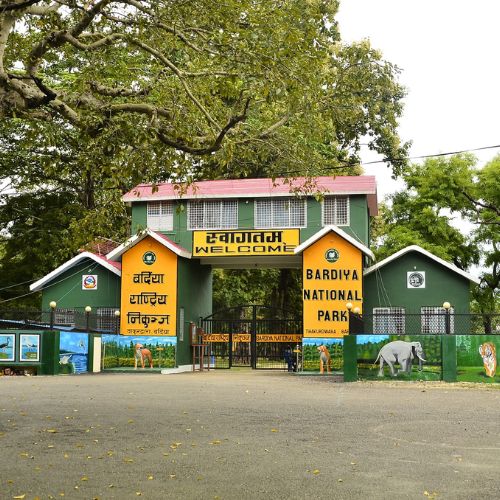
Thakurdwara is the main gateway to Bardiya National Park and functions as both park headquarters and a tourism hub. The village sits just 150 meters from the main park entrance, allowing safari activities to begin without long transfers.
Thakurdwara remains a small, lived-in village, not a resort town. Around 200–300 residents, primarily from the indigenous Tharu community, live here alongside families who have shifted from farming and fishing to tourism-based livelihoods. Most households now depend on guiding, lodge work, driving, cooking, or cultural performances.
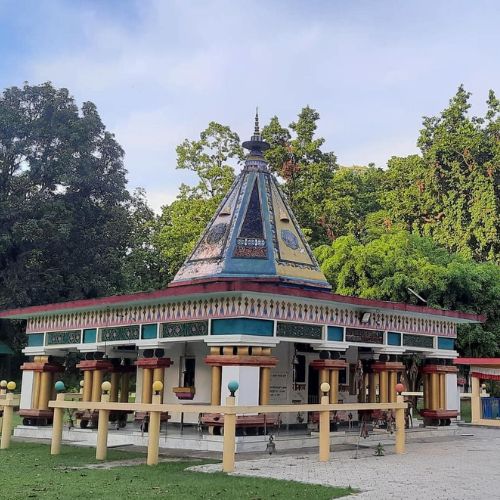
Tourism infrastructure is intentionally low-density. About 15 jungle lodges, a handful of resorts, and several family-run homestays operate here. There are no international hotel chains, and most properties are locally owned. This keeps the village grounded and avoids the commercial atmosphere found in more crowded safari destinations.
Electricity is available but intermittent. Most lodges run generators during evening hours (typically 6:00–10:00 PM), with solar power increasingly supplementing supply. Internet access exists in many lodges, but speeds are slow and unreliable — best treated as occasional rather than constant.
Evenings are quiet. After sunset, the village settles quickly, with generator hum giving way to natural sounds — insects, birds, and distant wildlife calls. Cultural exposure is subtle but genuine: Tharu meals, village walks, and occasional dance performances offer insight without feeling staged, especially when staying in homestays.
How This Bardiya Tour Compares to Other Popular Nature Trips in Nepal
Compared to an Ilam Tour
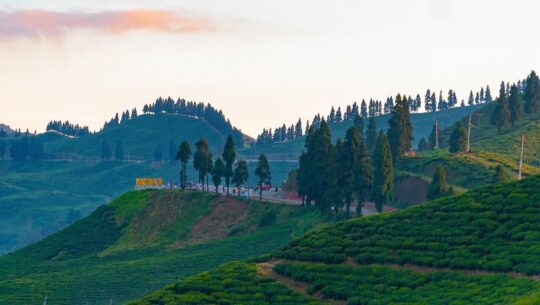
An Ilam tour focuses on tea gardens, hill scenery, and relaxed sightseeing. It is calm, scenic, and cultural. Bardiya, by contrast, is wildlife-driven. Days start early, activities are structured around animal movement, and the experience is more physical and nature-immersive.
If Ilam is about landscapes and slow travel, Bardiya is about tracking and observation.
Compared to Chitwan National Park
Chitwan National Park is easier to access and more developed, but it is also busier. Safari routes often have many jeeps operating at the same time. Bardiya offers fewer visitors, larger open spaces, and better conditions for walking safaris.
If you prefer comfort and convenience, Chitwan works well.
If you prefer fewer crowds and a deeper wildlife focus, Bardiya is the stronger option.
Compared to Kulekhani Markhu
Kulekhani and Markhu are short nature escapes near Kathmandu, focused on lakes, viewpoints, and relaxation. They are suitable for weekend trips and casual travel.
Bardiya is not a quick escape. It is a purpose-built wildlife tour that requires time, early mornings, and patience. The reward is a deeper nature experience that Markhu or Kulekhani cannot offer.
Dates of Trip
March 3, 2026 - March 6, 2026
$1250Save $100
March 10, 2026 - March 13, 2026
$1250Save $100
April 5, 2026 - April 8, 2026
$1250Save $100
April 9, 2026 - April 12, 2026
$1250Save $100
May 6, 2026 - May 9, 2026
$1250Save $100
May 12, 2026 - May 15, 2026
$1250Save $100
Frequently Asked Questions
Client Reviews
Write Review Top Rated Service
Similar Packages
USD 1100
4 Days
Tours in Nepal
Easy

USD 2300
10 Days
Tours in Nepal
Easy
USD 280
3 Days
Tours in Nepal
Easy