
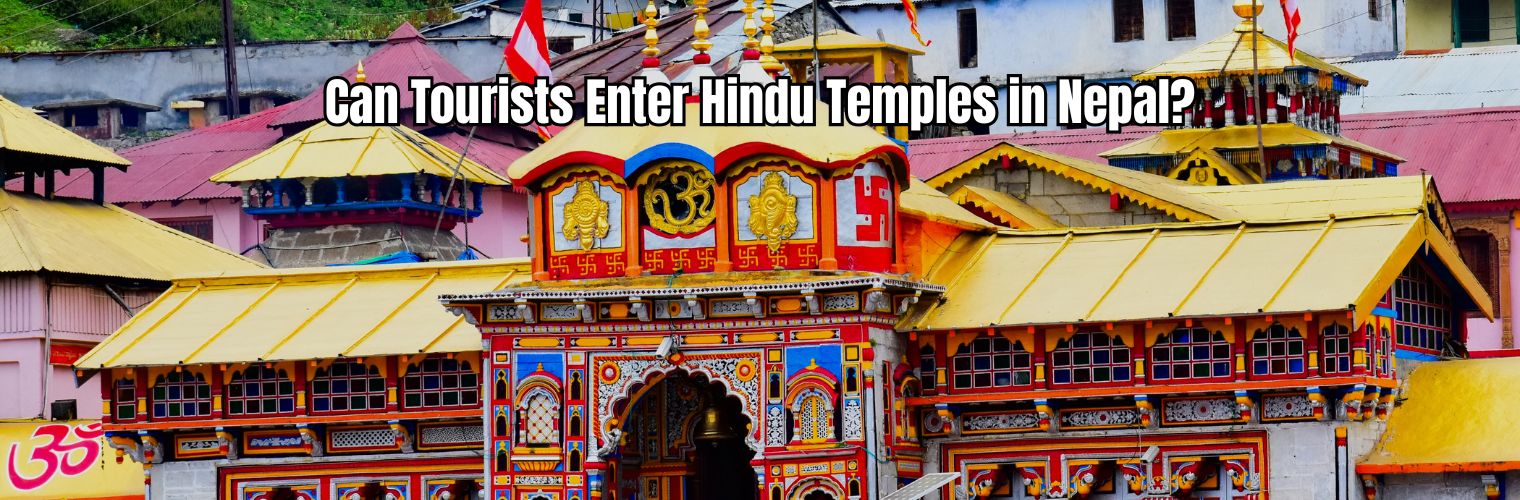
Can Tourists Enter Hindu Temples in Nepal?
Tourists can enter many Hindu temples in Nepal, but not all temples allow access to non-Hindus.
Some temples accept visitors of all religions, and others admit only practising Hindus. It is therefore useful for travellers visiting religious sites in the country to understand these differences.
With a rich religious heritage and hundreds of temples spread across its cities, villages, and mountain regions, Nepal is famous for its religious heritage. Much of the country’s cultural landscape is shaped by Hinduism and Buddhism, and temples are active places of worship, not only tourist destinations.
Because of this, temple customs differ according to religious tradition, regional practices and the temple’s historical significance. Before visiting a temple in Nepal, travellers should know entry rules, dress expectations and basic etiquette for these sacred sites.
Hindu Temples and Cultural Importance in Nepal
Hindu temples play an Important role in Nepal’s religious and cultural heritage. As one of the major religions in Nepal, Hinduism has countless temples dedicated to some of its most important deities like Shiva, Vishnu, Durga and Ganesh.
All of these temples are used as active places of worship, with daily rituals and offerings, prayer ceremonies, etc. Regular visitors come to worship and participate in religious rituals, observing festivals and offering prayers according to tradition.

As temples are thought of as holy places, it is important for visitors to observe local customs and adhere to set guidelines when entering temple grounds.
Can Foreign Tourists Enter Hindu Temples in Nepal?
Entry rules are different for Hindu temples in Nepal, based on their significance and cultural practices. Most temples freely accept local and international tourists to enter and see the temple complexes; however, some of the sacred Hindu temple sites are exclusive to Hindu devotees only.
Temples Allow For Foreign Tourists
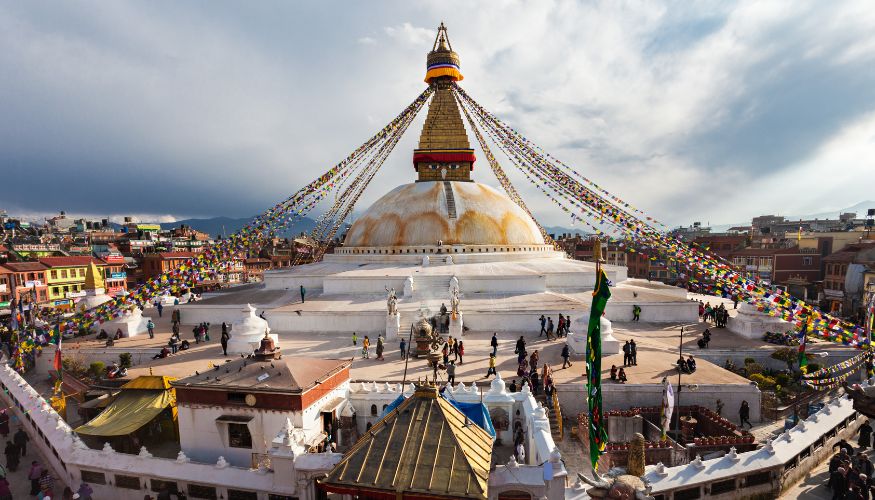
Nepal hosts many of the world’s renowned religious sites and welcomes visitors from all walks of life. Other attractions like Swayambhunath and Boudhanath Stupa (also called the Buddhist Temple) can be entered by tourists to walk around the temple area.
In addition to the temples themselves, visitors can wander around the surrounding shrines, prayer wheels and religious monuments while watching believers practising their local faith.
Temples Only Allow For Hindus
Some temples in Nepal still abide by traditional religious rules and allow only Hindu devotees into their inner sanctums.
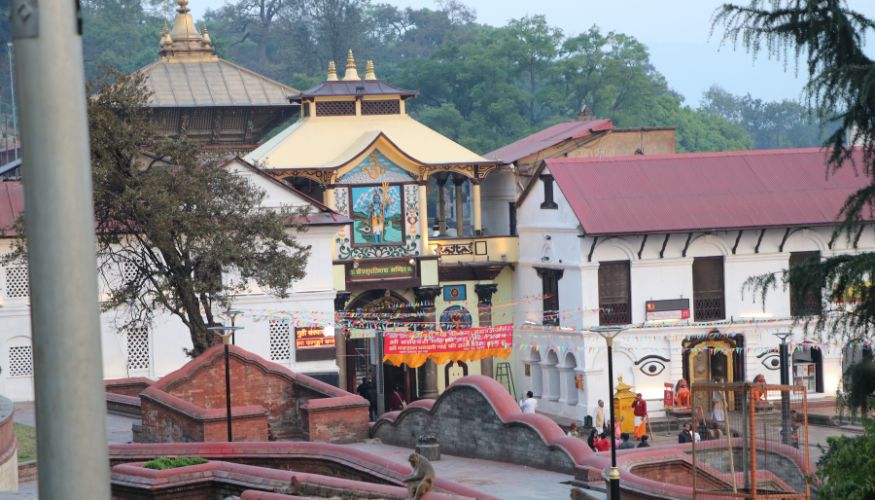
One famous example is the Pashupatinath Temple, one of the holiest Hindu temples dedicated to Lord Shiva. Non-Hindu visitors are not allowed inside the temple building itself, but can visit its surrounding complex and observe rituals along the Bagmati River.
Why Some Temples Restrict Entry for Non-Hindus
Traditionally, it is common in some Hindu temples of Nepal not to allow entry for non-Hindus, who do not practice the religion. These prohibitions are based on the ancient Jewish concept of ritual purity, and should have sought to protect sacred temple areas.
The rules have been in place for generations in many instances and followed to maintain the cultural and spiritual traditions associated with the temple. Such practices are not exclusive to Nepal, and can be found at numerous Hindu worship sites throughout South Asia.
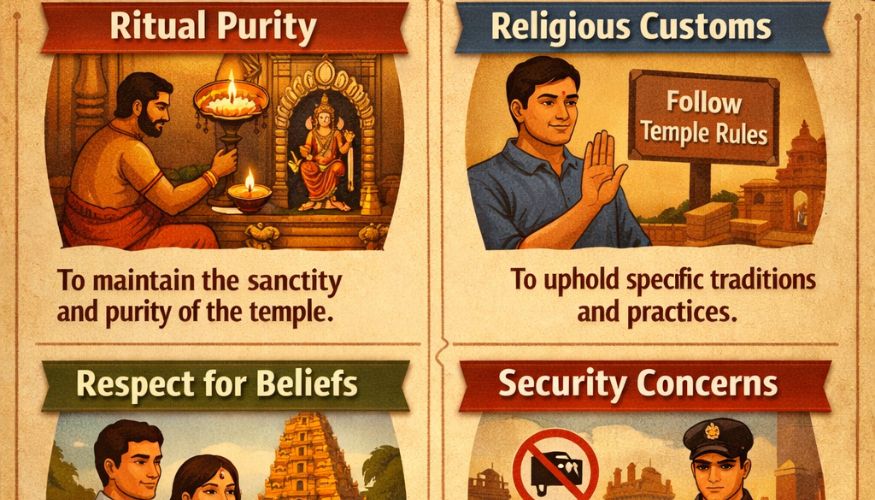
Restrictions on entry also provide for a more peaceful worship experience. Because temples are active religious spaces for devotees who perform daily rituals and prayers, some restrictions are imposed to maintain the atmosphere that is required to continue with the religious practice.
Temple Rules for Tourists in Nepal
Tourists have to follow some rules and understand how to visit temples in Nepal, which reflect the local religion. Visitors are asked to wear appropriate clothing, covering shoulders and knees, when entering areas of the temple.
Although shoes are generally left outside temple buildings, and sometimes even removed before entering the inner temple courtyard. This is consistent with traditional etiquette pertaining to purity within holy areas.
At some temples and certain shrines, photography is forbidden. Visitors, if in doubt about taking photos, should check local rules or ask permission.

However, since temples are active places of worship, visitors should be quiet and avoid disrupting people praying or performing religious rituals.
Famous Temples That Tourists Can Visit
Several temples in Nepal are open to tourists, and famous temples are made on a historical or religious basis.
Muktinath Temple
Muktinath Temple is a Hindu religious temple, also sacred to the Buddhists, located in the Mustang region of Nepal. The temple is located at an altitude of approximately 3,760 meters and attracts pilgrims and travellers going to the Annapurna region.
Manakamana Temple
Manakamana Temple, which is dedicated to the deity Bhagwati. Perched on a hilltop in Gorkha District, the temple is famed for having a cable car that people can take from the valley of the Trishuli River to reach it.
Changu Narayan Temple
Changu Narayan Temple is one of the oldest Hindu Temples in Nepal. It is situated on a hilltop near Bhaktapur and is one of the UNESCO World Heritage cultural zones in Kathmandu Valley. It is dedicated to Lord Vishnu.
Tips for Respectful Temple Visits in Nepal
Visitors to Nepal should also abide by the rules when visiting temples. Behaviour within temple areas should be respectful, and visitors are encouraged to observe how local devotees interact with their space.
Certain temples limit entry to part of the temple, while some restrict access to non-Hindus. These rules are generally displayed or outlined by the staff of the temple and must be adhered to.
Temples serve as active places of worship, where prayers and rituals are performed during the day. Visitors should be quiet and not interrupt ceremonies.
Many temples are kept and maintained by neighbouring communities. Leaving the temple property and site guidelines is beneficial for the protection of these religious and cultural sites.
FAQs
Can non-Hindus enter Pashupatinath Temple?
No, the main temple of Pashupatinath Temple does not allow entry to non-Hindus. Access the surrounding temple complex and view the temple from parts of the Bagmati River.
What temples are open to tourists in Nepal?
Some famous temples in Nepal, such as Muktinath Temple, Manakamana Temple, and Changu Narayan Temple, allow visitors.
Why are some temples restricted to Hindus?
Some temples prevent entry to keep traditional religious practices and ritual purity. These guidelines are among the longstanding practices of temple officials and devotees.
What to wear when visiting temples as a tourist?
Visitors must wear clothes that cover their shoulders and knees when visiting temple areas.
Can Tourists watch Hindu Rituals in Nepal?
Yes, many temple complexes, especially in open courtyards or along riverbanks near temple sites, enterprising visitors have set up designated areas to do just this.
Conclusion
Nepal’s temple entry rules vary from temple to temple, depending on the temple’s religious practices. Although many temples accept visitors, some open only to practising Hindus in order to protect long-standing spiritual practices.
For travellers, the best approach is respect. Recognising local customs, adhering to temple rules, and respecting the religious significance of these sites enable travellers to appreciate Nepal’s spiritual heritage responsibly.