Mustang Himalaya Nepal
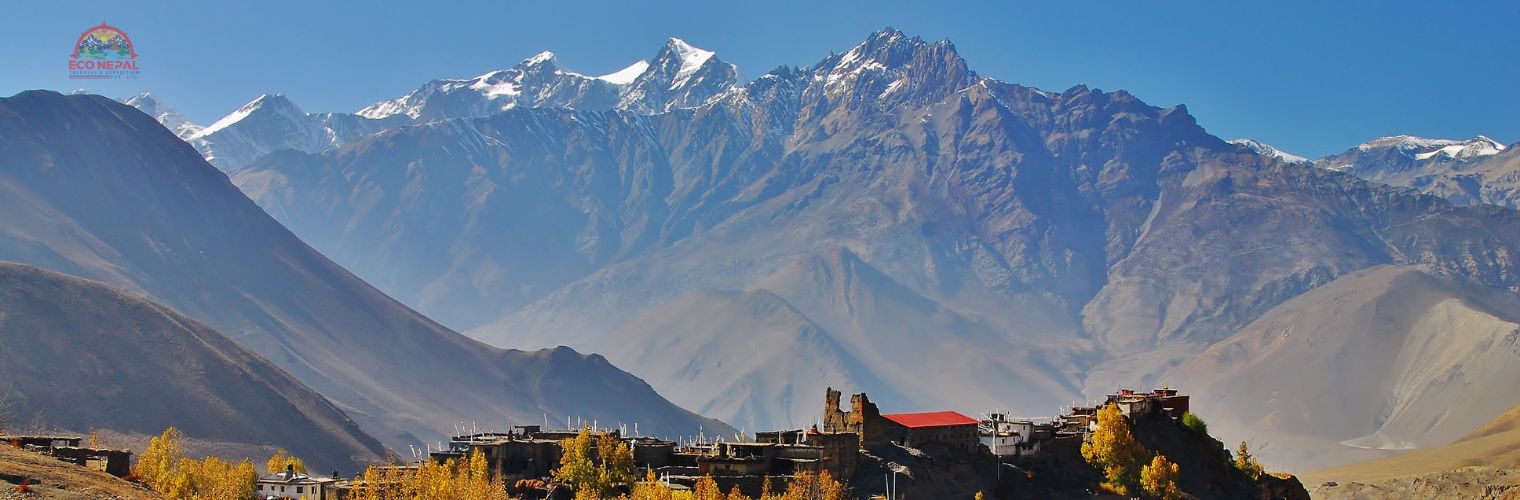
If you are looking for a trekking destination in Nepal that offers both cultural and unique landscapes, then Mustang will be perfect for you.
Mustang is popular as a dry region in the rain shadow of Nepal’s Himalayas, with Tibetan culture. Because of long-standing seclusion and limited access, it is also known as the “Last Forbidden Kingdom.”
Unlike most of Nepal’s other Himalayan regions, Mustang has a barren, desert-like rocky landscape with cliffs, caves, and settlements that are thousands of years old.
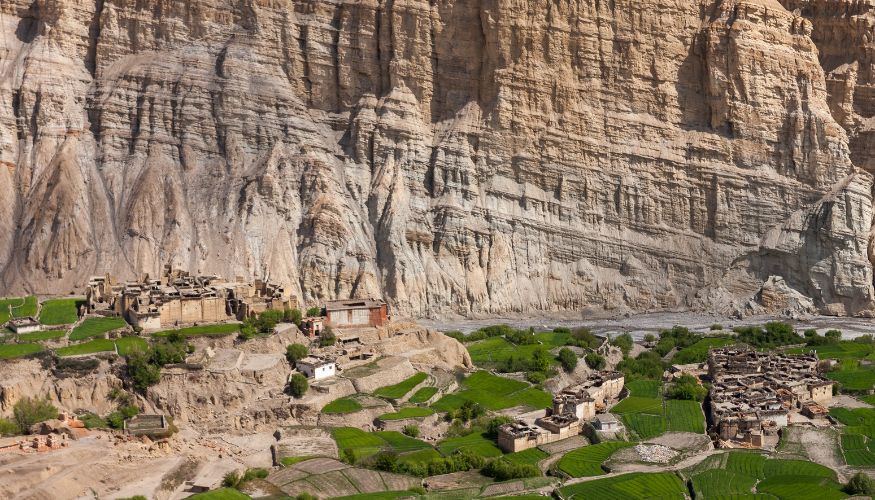
This culture is closely related to Tibetan traditions and due to its centuries of preserved heritage, monasteries, local practices, and architecture.
In this blog, we will provide information on Mustang Himalaya location, culture, trek route, required permits, best time, and the experience of traveling in Mustang Himalaya, Nepal.
Quick Summary
- Mustang is located in northwestern Nepal near the Tibetan border.
- The Mustang region is called the “Last Forbidden Kingdom” due to its historical isolation and restricted access, especially in Upper Mustang.
- Mustang offers a unique Himalayan experience with cliffs, caves, and deep valleys like the Kali Gandaki Gorge.
- Mustang Himalaya culture is strongly influenced by Tibetan Buddhism, with ancient monasteries, traditions, and settlements.
- Trekking in Mustang includes Upper Mustang and Lower Mustang trek routes.
- Mustang Himalaya is suitable to visit in all seasons, including Autumn, Spring, Summer, and Monsoon
Where Is Mustang Himalaya Located?
Mustang is located in northwestern Nepal near the border with Tibet (China).
| Location Detail | Information |
| Country | Nepal |
| Province | Gandaki Province |
| Region | Mustang Region (Annapurna Region) |
| Mountain System | Himalayas of Nepal |
| Protected Area | Annapurna Conservation Area |
| Highest Peak | Nilgiri (7,061 m) |
| Main Gateway City | Pokhara |
| Main Access Point | Jomsom |
| International Entry & Departure City | Kathmandu |
The Mustang region is split into two areas. The first one, Lower Mustang, is more accessible with road access and better travel conditions. Secondly, Upper Mustang is a limited area that requires special permits for travellers and is remote, with regulated trekking circuits.
Mustang is usually reached from Kathmandu via Pokhara. There are two ways to reach Mustang by road, and travelers can book a flight to Jomsom depending on their preferences, road conditions, and travel itinerary.
Unique Landscape of Mustang Himalaya
The geography of Mustang is different than Nepal’s other Himalayan regions, like the Annapurna Himalaya, because it is located in a temperate climatic region in the rain-shadow zone.
Instead of the lush hills and thick forests found in central Nepal, the terrain is arid and desert-hot. The result is a picture of exposed rock, dust, and wide-open valleys.
It is deep canyons and steep cliffs, including the Kali Gandaki Gorge. also known as one of the world’s deepest river gorges.
It is famous for caves and rock formations, including sky caves cut into cliffs. These formations are an offer of the region’s historical and geological landscape of the Mustang Region, Nepal.
Culture and History of Mustang
The culture of Mustang is also centered on Tibetan Buddhism, which pervades daily life, traditions, and architecture throughout the region.
Tibetan culture runs deep here; religious practices, monasteries, prayer flags, and local customs reflect that long-standing connection.
This impact is particularly evident in Upper Mustang, where historical seclusion has helped preserve the traditions of centuries past.
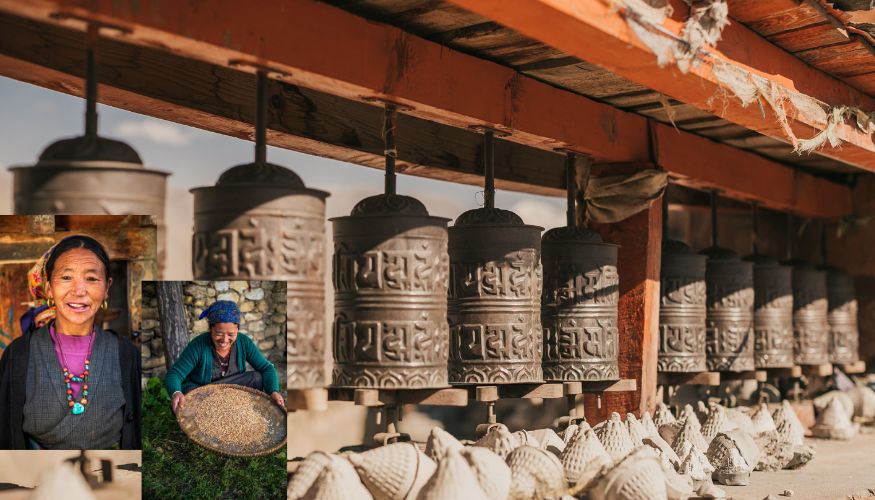
The area is ruled by Hou Han’s Himalayan kingdom of Lo, the now-defunct independent Kingdom that once controlled Upper Mustang. Also, this background defines the cultural identity of the region till today.
And at the heart of this heritage is Lo Manthang, the primary cultural and historical point. The town has ancient monasteries, traditional settlements, and structures marking the region’s history.
Mustang Himalaya Trekking Experience
Mustang Region Trekking is a fusion of heritage and the Himalayan cunty.
The Upper Mustang trek is a remote area with limited access, with a preserved culture and traditional settlements influenced by Tibetan heritage. It creates a more remote trekking experience with less infrastructure.
On the other hand, the Lower Mustang trek is relatively simple and easily reached by transportation, and it doesn’t require special permits or established travel routes, making it more appropriate for a wider variety of trekkers.
There are also many scenic locations along the way while trekking in Mustang, which highlight the Buddhist monasteries of that region in addition to natural attractions.
Read Article: Is Lower Mustang Worth Visiting?
Permits Required to Visit Mustang Himalaya, Nepal
Mustang has specific permits required for trekking, especially Upper Mustang, which is a restricted area.
Entry into the restricted area requires a mandatory permit, Upper Mustang Restricted Area Permit.
Since Mustang is within the Annapurna Conservation Area, trekkers must also obtain an ACAP Permit.
Upper Mustang trekking requires a licensed trekking guide. Also, according to the new 22nd March 2026 rules, Nepal Allowed Solo Trekkers in Restricted Areas.
Permit Cost Breakdown Table
| Permit Type | Cost (USD) | Requirement |
| Upper Mustang Restricted Area Permit | $50 per person per day. | Mandatory for Upper Mustang, but not required for Lower Mustang |
| Annapurna Conservation Area Permit (ACAP) | $30 | Required for entry |
| Trekking Guide | $30 per day (depends on Agency) | Mandatory licensed guide |
Best Time to Visit Mustang Himalaya
Mustang is located in the rain shadow of Dhaulagiri and Annapurna; therefore, seasonal weather patterns will affect the best time to visit Mustang.
Spring’s stable weather, moderate temperatures, and clear visibility are among the reasons it is one of the best trekking seasons.
Summer is different in Mustang, as it is in the rain-shadow, without very little rain. Hence, it is one of the few regions in Nepal that is suitable for trekking during the monsoon.
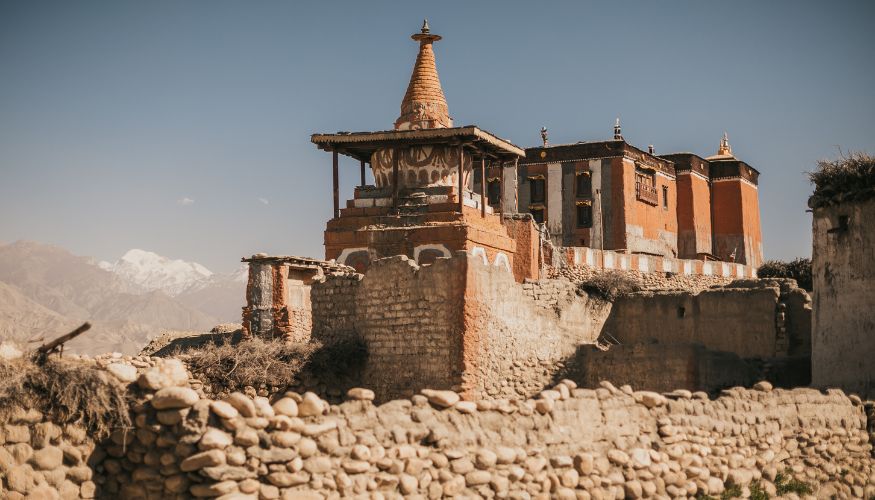
Autumn offers dry weather, clear skies, and stunning mountain views, so it’s another excellent season for trekking.
In fact, you can visit Mustang in spring, summer, and autumn, which is a unique advantage over other regions of the Himalaya.
Why Visit Mustang Himalaya Nepal?
Mustang is unique in respect of the diversity of topography, ethnic tradition, and historical significance within the Himalaya.
Instead of views where hills are covered in foliage and timber, the topography here is similar to a desert. The landscape is marked by cliffs and valleys, and a dry high-altitude climate shaped by its rain-shadow location.
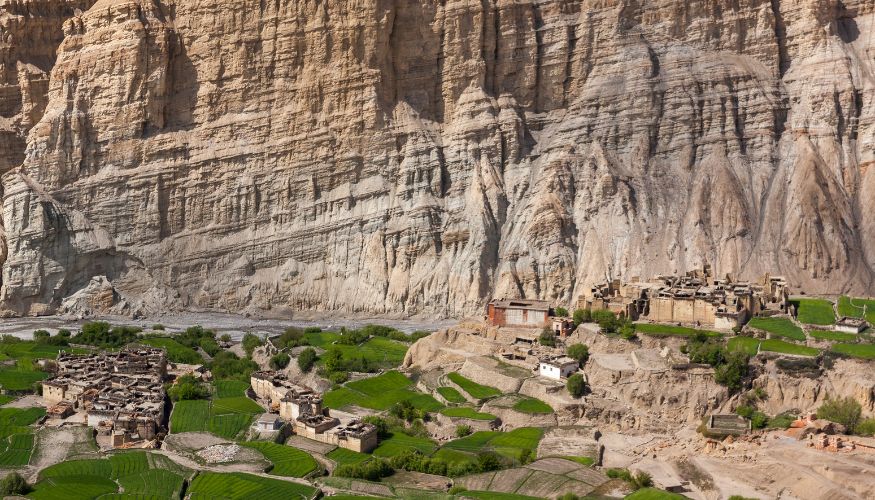
The region also has a distinct Tibetan culture seen in its monasteries, traditions, architecture, and day-to-day life.
Mustang is quiet compared to other popular trekking regions in Nepal, with fewer trekkers and trails.
It has a very symbiotic historical kingdom experience, particularly in Upper Mustang, with the roots of the former Kingdom of Lo still present through settlements like Lo Manthang.
FAQs
Where is Mustang Himalaya in Nepal?
Mustang Himalaya is in northwestern Nepal, on the border with Tibet (China).
Is a special permit required in Upper Mustang?
Yes. You need to obtain a Special Upper Restricted Area Permit to travel to Mustang.
When is the best time to go to Mustang?
The best time of the year you can visit is during spring and autumn due to its being in the rain-shadow region. Mustang is also good in the summer and monsoon season.
How expensive is the Mustang trek?
The Upper Mustang Restricted Area Permit makes this trip relatively costly, considering the permits, guide, and other logistical costs.
Is Mustang suitable for beginners?
Lower Mustang is more accessible and easier for beginners, while Upper Mustang requires more planning because of permits and remoteness.
Final Through
Mustang Himalaya provides a Himalayan experience with its own desert beauty, Tibetan culture, and historical monuments.
Mustang is different from the rest of Nepal’s trekking regions, known for its dry terrain and as the former Kingdom of Lo, rich in cultural traditions.
For those looking for an alternative, less-traveled section of the Himalayas, Mustang offers a unique region to trek and cultures to explore that have been shaped by geography and tradition.