
Food and Drinks on Everest Base Camp Trek
If you are planning the Everest Base Camp Trek, you might have a question on your mind: what kind of food and drinks should you get along the Everest Base Camp Trek, right?
Don’t worry, the Everest Base Camp Trek offers food and drinks along the trail, so you’ll find teahouses and lodges with both traditional Nepali food and international cuisine.
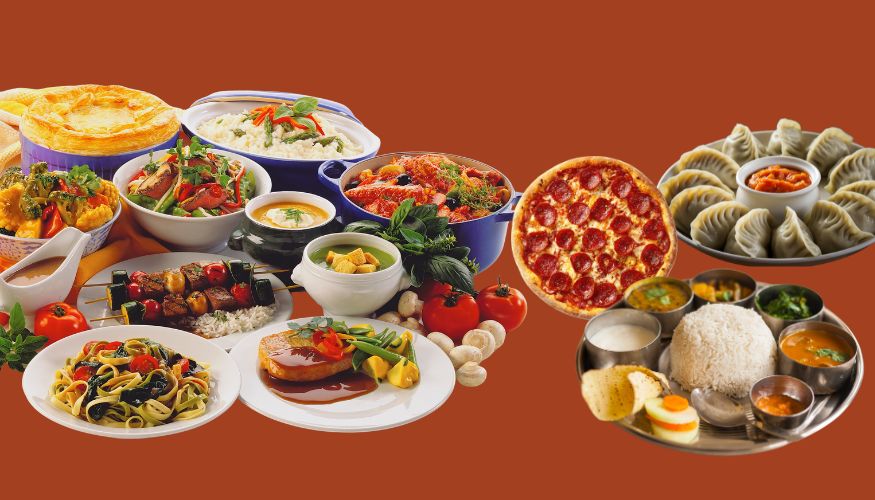
The usual choices are dal bhat, rice, noodles, soups, pasta, potatoes, eggs, bread and tea or coffee. Generally, you find limited food choices and higher prices at altitude as supplies have to be transported into isolated mountain villages.
Most of the meals along the route are provided by teahouses, which often have dining areas where trekkers can rest and warm themselves up.
In this blog, you will learn what food and drinks you can find throughout the EBC route, from common teahouse meals, food prices, vegetarian options, and drinks, which change as you go higher.
What Food Is Available on Everest Base Camp Trek?
All Tea houses and lodges offer Nepali, Tibetan, Sherpa-inspired and international food during the trek.
One of the most frequently consumed foods is Nepali Typical dal bhat here, but you can also find soups, noodles, potatoes, bread and rice in plenty.
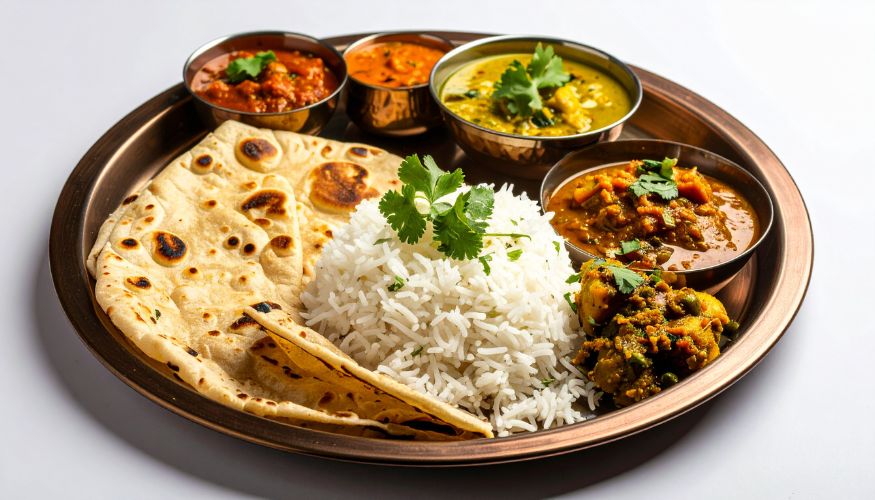
Food options become more restricted, and prices typically rise as the trail rises, since ingredients and supplies must be imported into higher villages.
| Food Category | Common Food Options |
| Nepali Food | Dal bhat, dal, rice, tarkari, pickles |
| Tibetan & Sherpa-Inspired Food | Sherpa stew, thukpa, Tibetan bread, momo |
| International Food | Pasta, pizza, sandwiches, spaghetti, macaroni, fried rice, potatoes |
What Do You Eat for Breakfast on the EBC Trek?
Breakfast on the Everest Base Camp Trek is generally basic, with many filling foods that will give you plenty of energy for walking all day. At the teahouses, you will have eggs, Tibetan bread, pancakes, porridge or toast with jam, which comes along with muesli, cereals and both tea and coffee.
At higher altitudes, there are fewer options than in the lodges and villages. Below in the table, we have listed some breakfast items which you can find on your Everest Base Camp journey.
| Breakfast Option | Common Choice |
| Eggs | Boiled, fried, scrambled, or omlate |
| Tibetan Bread | Served with jam, honey, or eggs |
| Pancakes | Often served with honey or jam |
| Porridge | Common warm breakfast option |
| Toast and Jam | Simple and widely available |
| Muesli and Cereals | served with milk or yogurt |
| Tea and Coffee | Milk tea, black tea, Masala tea, coffee, etc. |
Note: For long trekking days, it’s best to choose a carbohydrate-rich breakfast with eggs or another protein source, along with tea or coffee.
What Do You Eat for Lunch?
Lunch for the Everest Base Camp Trek is generally hearty food to replenish energy levels for the afternoon hiking.
Dal bhat, noodles, fried rice, momo, soup, pasta and sandwiches are served at most teahouses. Options can decrease at higher elevations and vary from lodge to lodge.
| Lunch Option | Common Choice |
| Dal Bhat | Rice, lentils, vegetables, and pickles |
| Noodles | Vegetable, egg, or other noodle dishes |
| Fried Rice | Rice prepared with vegetables or eggs |
| Momo | Steamed or fried dumplings |
| Soup | Vegetable, garlic, noodle, or other soups |
| Pasta | Different pasta dishes with simple sauces |
| Sandwiches | Basic sandwiches with available fillings |
What Do You Eat for Dinner?
Most dinners at EBC teahouses consist of some informal Nepali, Tibetan and Sherpa-inspired, and international dishes.
They mainly serve food like dal bhat, Sherpa stew, thukpa, pasta, noodles, rice, vegetables and sometimes pizza. The higher the altitude, the more you would want hot and filling meals in most parts of the trek.
| Dinner Option | Common Choice |
| Dal Bhat | Rice, lentils, vegetables, and pickles |
| Sherpa Stew | Hot local-style stew |
| Thukpa | Tibetan-style noodle soup |
| Pasta & Noodles | Various simple pasta and noodle dishes |
| Rice & Vegetables | Rice served with cooked vegetables |
| Pizza | Available at many teahouses, especially in lower villages |
| Western Options | Selection varies by lodge and altitude |
Dal Bhat on the Everest Base Camp Trek
One of the most common and functional meals that you will encounter on the EBC Trek is Dal Bhat. The dish is a widely available lunch choice in teahouses along the route and favoured by trekkers as a filling mix of rice, lentils, vegetables and pickles. Your meal is usually eaten hot and can be served at any main mealtime.
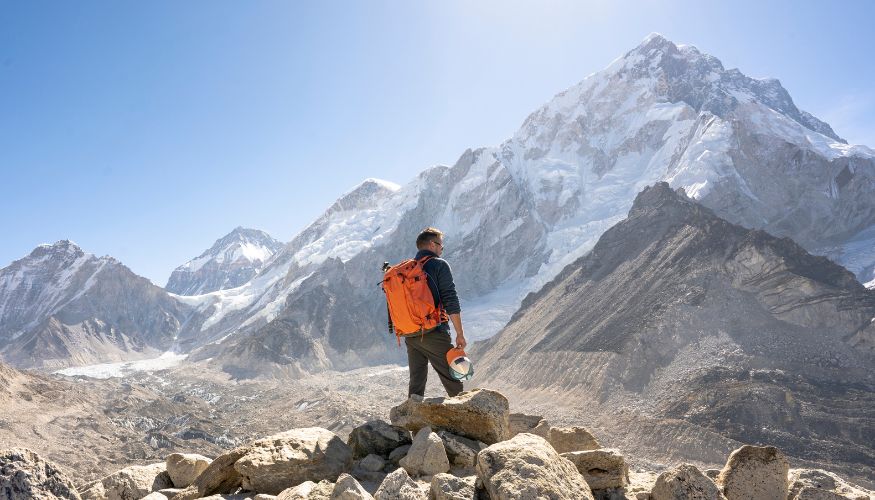
Most treks, the menu at your teahouse will allow trekkers to order dal bhat multiple times a day if they like! Because the meal is comprised of carbohydrates from rice and protein from lentils, it serves as an ideal meal for days when you are trekking for long hours. Much depends on local lodges and altitude, especially for portions and ingredients.
Drinks Available on the Everest Base Camp Trek
Everest Base Camp Trek provides a variety of drinks, mostly in teahouses and lodges. Thus, staying hydrated is one of the most important things throughout the trek, in addition to easily available hot drinks like tea, milk tea, ginger or lemon tea and many more in this cold Mountain environment, with coffee and hot chocolate.
In most villages, there are also soft drinks and energy drinks, although prices are usually higher at the low levels than elsewhere due to transport along the trail.
Tea and Coffee at High Altitude
Almost every teahouse and lodge along the Everest Base Camp Trek makes tea and coffee available for you to enjoy a warm drink in the cold mountain temperatures.
On the high trail, trekkers often prefer ginger tea, lemon tea, milk tea, black tea, coffee and hot chocolate. Ginger and lemon tea are typical in frosty mornings and evenings as well; while most teahouses have coffee available, its form and quality differ from one lodge to the next.
In fact, up in the higher villages like Dingboche, Lobuche and Gorak Shep, where ever colder climates prevail, hot chocolate is also easy to find.
Is Drinking Water Safe on the EBC Trek?
Throughout the Everest Base Camp Trek, drinking water is on offer, but that doesn’t mean untreated water should be assumed to be safe.
Trekkers will mainly have access to bottled water, boiled water, filtered water and purified water. Bottled water is a convenient option but pricey in high altitudes; boiled and filtered water are other viable options.
One should preferably carry a reusable water bottle or wear a hydration bladder while trekking and must use a good way to purify water every time there is an untreated or unreliable potable water source.
To find out all about the drinking water sources, purification options, refill locations, and cost of water along the way.
Check our complete guide to Drinking Water on the Everest Base Camp Trek.
Food Prices on Everest Base Camp Trek
On the Everest Base Camp Trek, food prices go up as you gain altitude, i.e., the costs of sustenance, fuel, and other necessities must be transported to remote mountain towns.
Teahouses and lodges along the way sell breakfast, lunch, dinner, drinks and snacks, but are more expensive in Dingboche, Lobuche, and Gorak Shep than they are in Lukla and Phakding.
But the cost of food depends on your food likes, lodge selection and trekking season. A daily average budget for your meals and drinks is around NRP 4000–6,500 per person. Check the table below for cost details.
| Food / Drink | Typical Cost (NPR) |
| Breakfast | 800 – 1,200 |
| Lunch | 850 – 1,300 |
| Dinner | 800 – 1,350 |
| Tea / Coffee | 200 – 500 |
| Hot Chocolate | 450 – 800 |
| Soft Drinks | 350 – 600 |
| Snacks | 400 – 1000 |
| Average Daily Food Budget | 4000–6,500 |
How Food Prices Change Along the EBC Route
As you get deeper into the Everest Base Camp Trek, food prices will usually go up.
However, Food is most available and cheapest in Lukla and Phakding, but there is less of it and more expensive brands as supplies are carried further into the heights of Nepal from these towns, Lobuche & Gorak Shep.
| Location | Food Availability | Typical Price Level |
| Lukla | Excellent | Lower |
| Phakding | Excellent | Moderate |
| Namche Bazaar | Very good | Moderate |
| Tengboche | Good | Higher |
| Dingboche | Good | Higher |
| Lobuche | Limited | High |
| Gorak Shep | Limited | Highest |
Why Do Prices Increase With Altitude?
As foodstuffs, cooking fuel and similar supplies must be brought in from the lowlands down below to remote mountain villages, prices rise again at higher altitudes.
The greater the distance and the higher the difficulty of moving supplies, the higher the transportation and operations costs.
That’s why food and drink in Lobuche and Gorak Shep are normally much more expensive than the same items in Lukla or Phakding.
Vegetarian and Vegan Food on the EBC Trek
Vegetarian food is available along the EBC Trek, and the most common vegetarian meals consist of dal bhat, rice, vegetables, potatoes, noodles & pasta, soups, and bread.
You can have vegan food too, but at higher altitudes the options are rare, so trekkers should be very clear about what they eat at the teahouse.
Breakfast includes porridge, toast, Tibetan bread and pancakes. Lunch: vegetable rice, dal, angkha noodles, soup. Potatoes are a staple for lunch and dinner.
For trekkers on a strict vegan diet or with allergies, you may also check individual ingredients before ordering.
Food for Different Dietary Requirements
Locally, you will likely have to make do as food options depend on the individual teahouse along the main route for trekking the EBC route, but are easily and generally manageable with any special dietary requirements. Rice, dal, murungakkai, and potato are gluten-free foods, and no dairy meal is prepared without milk, butter, cheese or cream.
Trekkers allergic to specific food items must explain properly the item they cannot consume in detail before they give away an order. High-protein options include dal, lentils, eggs, beans, dairy products and meat, and are based on preferences.
It should be noted that trekkers with stringent or multiple dietary requirements will likely need to bring appropriate backup snacks as food options become more and more limited at altitude.
Best Foods to Eat During the EBC Trek
Along the EBC Trek, you will generally want a warm meal that will fill your tummy and keep you going through the long walking days. Common options include dal bhat, eggs, soups and potatoes, porridge, vegetables, rice or noodles. At higher elevations, food availability can be limited between teahouses.
| Food | Why It Is a Good Choice |
| Dal Bhat | You can get carbohydrates from rice and protein from lentils, with vegetables and pickles |
| Eggs | Good source of protein |
| Soups | It provides fluids and a warm meal in cold conditions |
| Potatoes | Good source of carbohydrates |
| Porridge | Provides carbohydrates and is a practical breakfast before trekking |
| Vegetables | Provide vitamins, minerals, and dietary fiber |
| Rice and Noodles | Provide carbohydrates and energy for long walking days |
| Carbohydrate-rich foods | Help provide energy during prolonged trekking and walking at altitude |
What Snacks Should You Carry for the Everest Base Camp Trek?
You can carry snacks that are lightweight, high-energy snacks, which is useful. Energy bars, nuts, dried fruit, chocolate, trail mix and electrolyte powder. These are ideal because they don’t take up space and can be eaten during short breaks.
There are often a wider variety and cheaper food options in Kathmandu, but the trail is equally stocked with snacks, though at higher elevations those tend to cost more.
What Food and Drinks Should You Avoid?
You should refrain from or minimize foods and beverages that may pose a risk of dehydration, stomach discomfort, or issues during the trek. Excess Alcohol, caffeine, junk foods, Heavy fried foods, Old Sitting Food and Over-Sugared Drinks should be avoided or consumed moderately.
Higher altitude in this region, simple, fresh, well-cooked meals and enough safe drinking water make correct sense.
Alcohol on the Everest Base Camp Trek
Alcoholic drinks are sold at various teahouses, lodges, and shops along the Everest Base Camp trail. But alcohol is not a good way at high altitude because it can affect dehydration, sleep and original acclimatization.
If, on the other hand, you drink alcohol while suffering from altitude-related symptoms, it is even harder to recognize your state. Hence, refraining from alcohol or at least limiting it is preferable, especially above 4,000 m.
Food and Altitude: What Changes Above 4,000 Meters?
After 4,000, many trekkers can not eat large meals. Eating less frequent, regular meals can help with energy availability during the day. Many carbohydrate-rich foods like rice, potatoes, noodles, pasta, bread or porridge are a useful instant energy supply during long trekking days.
Hydration is another important step, as trekkers need to keep eating even when not too hungry in order to ensure they have enough energy for walking at high altitude.
Food and Drinks in Different EBC Villages
The main Everest Base Camp route has a few shelters to offer food and drink; however, the amount of choice becomes less, and the prices become higher as you climb higher.
There are many more options in Lukla and Namche Bazaar, while Dingboche, Lobuche and Gorak Shep offer a much simpler menu with fewer options. It mainly consists of basic foods: dal bhat, noodles, rice, pasta, soup, potato, egg, bread, tea, coffee, and hot drinks.
| Village | Food Availability | Common Food |
| Lukla | Excellent | Dal bhat, momo, pasta, pizza |
| Phakding | Excellent | Dal bhat, noodles, fried rice |
| Namche Bazaar | Very good | Dal bhat, momo, thukpa, pizza |
| Tengboche | Good | Dal bhat, noodles, rice, soup |
| Dingboche | Good | Dal bhat, noodles, pasta, potatoes |
| Lobuche | Limited | Dal bhat, noodles, soup, rice |
| Gorak Shep | Limited | Dal bhat, noodles, soup, pasta |
Tea House Dining Experience
One of the key characteristics of dining during the Everest Base Camp Trek.
Most lodges feature a shared dining hall and have wood stoves for heating; menus offer a blend of native and urfhu meals. Ingredients are transported from lower elevations to the lodge kitchen for cooking.
The dining room is usually a place to rest after a day of walking, but trekkers tend to eat alongside other groups.
Meals are in line with the trekking schedule: breakfast before the morning departure, lunch while walking during the day and dinner once you reach the next teahouse.
In the higher villages, meal options and preparation times can be more limited due to altitude, supplies, and lodge capacity.
Tips for Eating Well on the EBC Trek
Eating well to keep energy up for long days of walking and at higher altitudes during the Everest Base Camp Trek.
Have a good breakfast every morning, pack light snacks to provide you with energy bursts when you need them, and drink plenty of water throughout the day! Once you head to the higher villages, simple foods like dal bhat rice, noodles, soup, potatoes and vegetables make a sensible meal.
It is best to prefer freshly prepared, well-cooked meals; stale food should be avoided. Additionally, food prices rise with altitude, so trekkers should allocate a larger daily budget for meals in villages like Dingboche, Lobuche, and Gorak Shep.
FAQs
What food is available on Everest Base Camp Trek?
During the EBC Trek, Nepali, Tibetan, Sherpa-inspired, and international food is available.
Is food expensive on the Everest Base Camp Trek?
Yes, food is generally more expensive than in Kathmandu, and prices increase with altitude.
Can I get vegetarian food on the EBC Trek?
Yes. Vegetarian food is widely available, including dal bhat, vegetables, rice, potatoes, noodles, pasta, soup, and momo.
Can vegans find food on the Everest Base Camp Trek?
Yes, you can find it, but vegan choices can be more limited, especially at higher elevations. Trekkers should inform the teahouse about their dietary requirements and confirm that meals do not contain milk, butter, cheese, or eggs.
Is Dal Bhat available throughout the trek?
Dal bhat is one of the most widely available meals on the EBC route.
Can I get pizza and pasta on the EBC Trek?
Yes. Pizza and pasta are available at many teahouses, particularly in lower and larger villages such as Lukla and Namche Bazaar.
What drinks are available on the Everest Base Camp Trek?
Common drinks include water, tea, milk tea, ginger tea, lemon tea, coffee, hot chocolate, soft drinks, and energy drinks.
Is bottled water available?
Yes. Bottled water is available in many villages and teahouses along the trek.
Can I drink coffee during the trek?
Yes. Coffee is available at most teahouses, although the type and quality vary between lodges. Instant coffee and simple milk coffee are common options.
Can I drink alcohol on the EBC Trek?
Alcohol is available in many teahouses and shops, but alcohol is not recommended at high altitude because it can contribute to dehydration and interfere with sleep and acclimatization.
How much should I budget for food each day?
A practical food budget is around NPR 4,000–6,500 per person per day for regular meals and drinks.
Should I bring snacks from Kathmandu?
Yes. Buying snacks in Kathmandu generally provides more variety and lower prices.
Conclusion
The main Everest Base Camp trekking route is lined with food and drink stalls, and as you travel higher up the mountain, options narrow pretty quickly. Dal bhat is still one of the most available meals, and teahouses also offer noodles, soups, pasta, eggs, potatoes, bread & other international menus.
On the route, you will generally have tea, coffee, hot chocolate and drinking water. As a result, simply staying on pace on long trekking days as the trail continues to get steeper, or starting at a higher elevation, becomes critically important to eat enough calories and stay well-hydrated.