
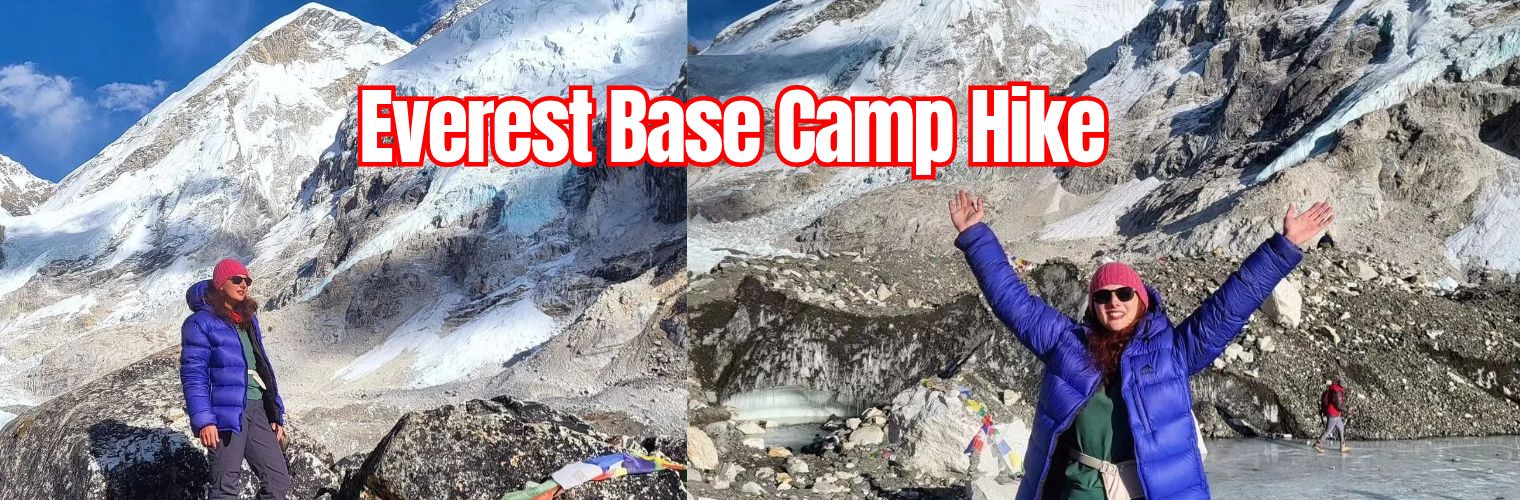
Everest Base Camp Hike
The Everest Base Camp Hike, also known as Mount Everest Base Camp, is a well-known high-altitude hiking route in the Khumbu region. At 5,364 meters (17,598 feet), Everest Base Camp is the place to bask in the shadow of some of the highest Himalayan summits on Earth. With sweeping mountain scenery, colourful Sherpa culture, charming villages, swaying suspension bridges and ancient Buddhist monasteries, as well as up-close views of Mount Everest and other towering peaks, all trekkers come to walk the entire length of the EBC trek.
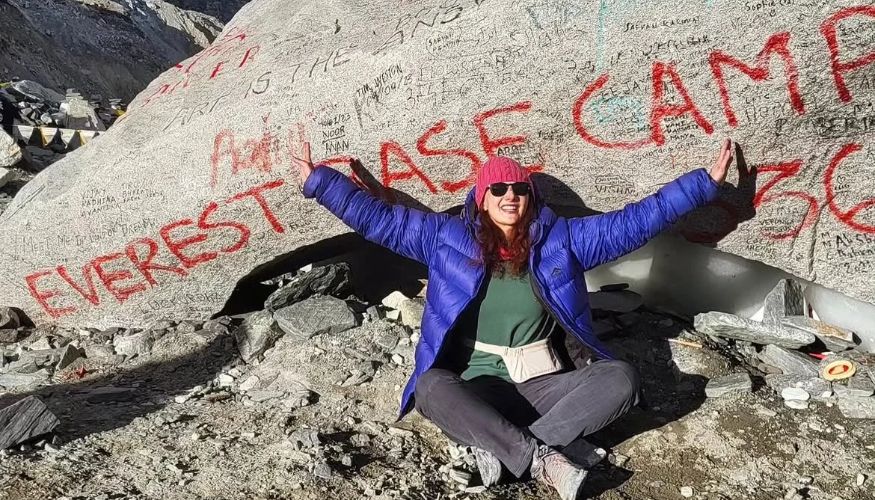
Another highlight of the route is Kala Patthar, lying at around 5,545 meters (18,192 feet) high and serving as one of the highest camps usually climbed on the trek, offering a famous vantage point for views of Mount Everest. In essence, the package is a challenging high-altitude walk through some of the finest Himalayan scenery, offering a unique insight into local culture as well.
What Is the Everest Base Camp Hike?
The Everest Base Camp Hike is a high-altitude trek through Nepal’s Khumbu region to Everest Base Camp, the staging area for climbers attempting Mount Everest. Everest Base Camp sits at about 5,364 meters (17,598 feet) above sea level.
The hike does not involve climbing Mount Everest itself; trekkers reach the base camp on foot and return along the trekking route. The trek is suitable for people with reasonable fitness who are prepared for long walking days, steep and uneven trails, changing weather, and high altitude.
Where Is Everest Base Camp?
Everest Base Camp is located in the Khumbu region of Nepal, and inside Sagarmatha National Park. The classic trekking route is a flight to Lukla, then past Phakding and Namche Bazaar, and upwards through the villages of Tengboche, Dingboche, and Lobuche, all the way to the Himalayan trekking Everest Base Camp.
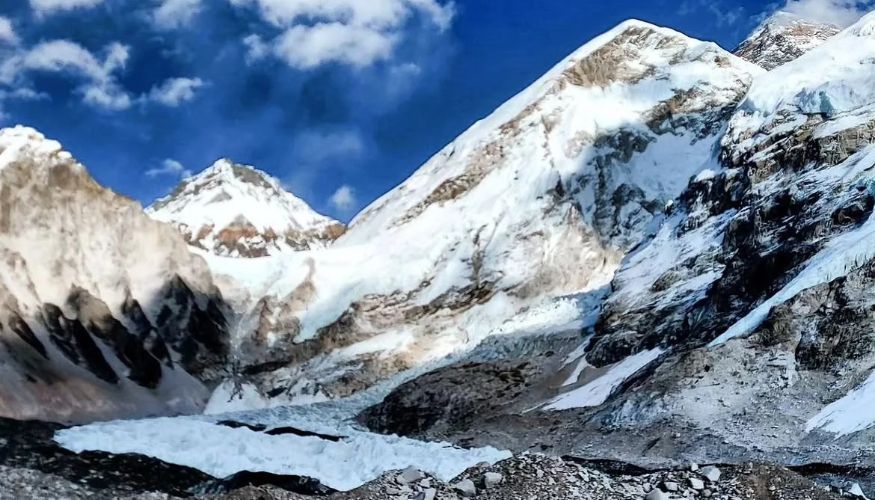
Namche Bazaar is a typical stopover for trekkers to acclimatize before continuing higher up on their trek. It then retraces the trail along the Khumbu Valley, back towards Lukla, starting from Everest Base Camp.
How Long Is the Everest Base Camp Hike?
The classic Everest Base Camp Hike typically takes about 12-15 trekking days depending on the itinerary, acclimatization days, Lukla flight schedule, and if you include any additional viewpoints or side trips. Your trekking distance is anywhere from 130 km (about 80 miles) round trip, depending on route and itinerary.
The days consist of approximately 5-8 hours of walking, with longer and tougher days throughout the trek to Everest Base Camp & Kala Patthar. This longer itinerary gives you time for acclimatization and a slower, gradual ascent.
Everest Base Camp Hike Route
Typically, the Everest Base Camp route ascends through the Dudh Koshi Valley to reach the Khumbu region before climbing to Everest Base Camp. The popular route is Lukla, Phakding, Namche Bazaar, Tengboche, Dingboche, Lobuche, Gorak Shep.
Kathmandu to Lukla
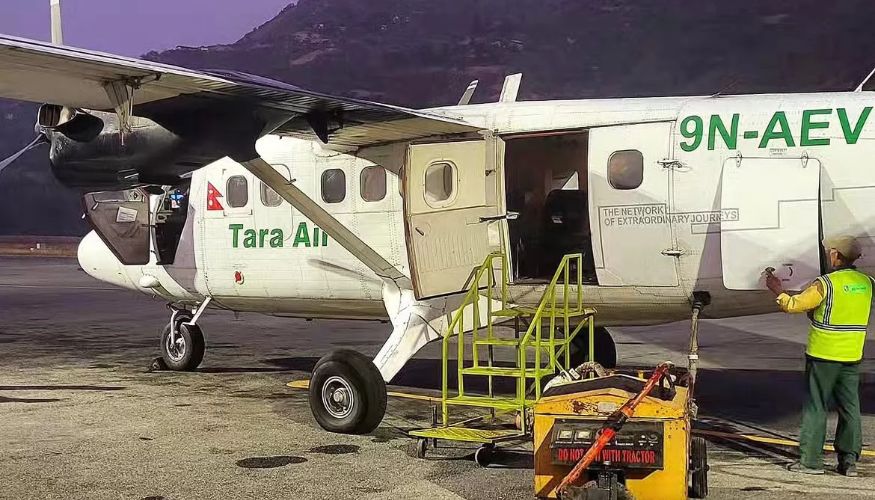
Typically, a flight from Kathmandu to Lukla, the commercial hub of the Everest region trekking, starts your journey. The trail then continues from here towards the Khumbu Valley via Lukla.
Lukla to Phakding
On the first day of trekking, we will walk alongside the Dudh Koshi River through small villages and forested areas to get across Phakding. The journey is normally a bit shorter day of walking, which helps trekkers start acclimatizing to the trail.
Phakding to Namche Bazaar
It traces the Dudh Koshi River, crossing several suspension bridges before climbing to Namche Bazaar. The last climb is one of the harder portions of the lower route.
Namche Bazaar Acclimatization
Namche Bazaar is often used for acclimatization. Hikers can make a brief excursion to the higher elevations and then return to Namche to acclimatize their bodies before going any higher.
Namche to Tengboche
You ascend through the Khumbu landscape, getting views of Everest, Ama Dablam, and Thamserku. It is a pilgrimage site for many Buddhists because of the significant monastery, and it also has scenic mountain views.
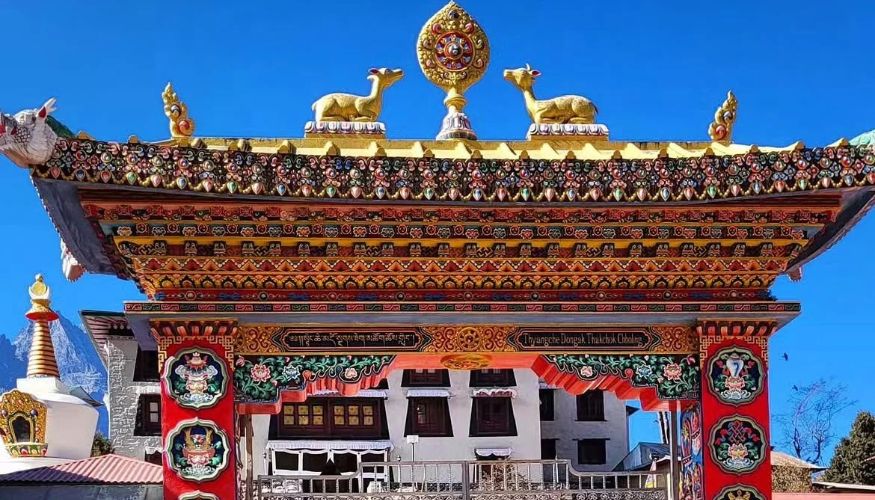
Tengboche to Dingboche
The trail drops below the tree line again and continues towards the Imja Valley, still heading in the general direction of Dingboche. The landscape goes from more arboreal at lower elevations to decreasing vegetation density to more alpine at higher elevations. elevations
Dingboche Acclimatization
Dingboche offers yet another key acclimatization point. Trekkers can make their way to an upper viewpoint before heading back down to the village for the night, and continuing on with the trek the next day.
Dingboche to Lobuche
The trail heads up into the more rugged high-altitude terrain of the Khumbu Glacier zone. Finally, the path leads to Lobuche, and it gets colder as well. The air begins to thin here as well.
Lobuche to Gorak Shep
The trail continues along the Khumbu Glacier and moraine towards Gorak Shep, the last village before Everest Base Camp. This is the toughest part because of the altitude and the uneven ground.
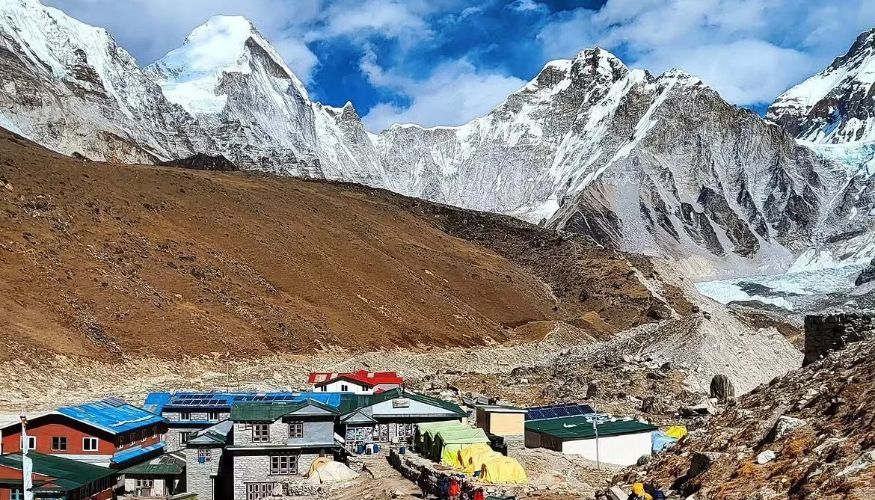
Gorak Shep to Everest Base Camp
After reaching Gorak Shep, trekkers continue toward Everest Base Camp across rocky and glacial terrain. After spending time at Base Camp, the route returns to Gorak Shep for the night.
Gorak Shep to Kala Patthar
Trekkers usually start early for the climb from Gorak Shep to Kala Patthar. The viewpoint reaches approximately 5,545 meters (18,192 feet) and provides panoramic views of Mount Everest and the surrounding Himalayan peaks. After the viewpoint, trekkers descend toward the lower Khumbu Valley.
Return Journey to Lukla
The return journey follows the main Khumbu route through places such as Pheriche or Dingboche, Tengboche, Namche Bazaar, and Phakding before reaching Lukla. The descent is generally faster than the ascent, but the long downhill sections can still be physically demanding.
Everest Base Camp Hike Elevation
Elevation gain is huge on the Everest Base Camp Hike: Lukla is already at 2,850 metres, and Everest Base Camp is around 5,364 metres. Kala Patthar is the highest point on the “normal route”, but it depends on which point you’re at and how high you actually get. The major elevation points are:
| Location | Elevation |
| Lukla | 2,850 m |
| Namche | 3,440 m |
| Tengboche | 3,860 m |
| Dingboche | 4,410m |
| Lobuche | 4,900 m |
| Ghorak shep | 5,160m |
| Everest Base Camp | 5,364 m |
| Kala Patthar | 5,550 m |
Most Everest Base Camp itineraries have you hike to the highest elevation at Kala Patthar, rather than Everest Base Camp itself. Sleeping altitude is also vital, as trekkers sleep at higher elevations each night, and Gorak Shep is approximately 5,160 m high.
There is a significant amount of climbing to complete the journey between Lukla and Base Camp, and one of the biggest issues is that we seem to be going uphill faster than we should. Since altitude-related sickness can arise at high altitudes, gradual acclimatization and a well-orchestrated itinerary are equally urgent.
How Difficult Is the Everest Base Camp Hike?
Even though the Everest Base Camp Hike reaches a high elevation, it is classified as a challenging hike and not a true climb. The challenge lies in hours of walking every day, steep sections uphill and downhill, rocks and uneven ground underfoot, erratic weather patterns, and the altitude.
The upper sections of Lobuche, Gorak Shep, Everest Base Camp, and Kala Patthar are particularly difficult because the oxygen levels are lower. However, it is relatively gentle and with a reasonable level of fitness and preparation, anyone following an appropriate itinerary can complete the trek, allowing for adequate acclimatization.
Read More: Everest Base Camp Trek Difficulty
Everest Base Camp Hike Acclimatization
Since the Everest Base Camp Trek climbs higher than 5,000 meters, acclimatization is an essential element of this trip. A typical itinerary will then feature acclimatization days; these will again normally be at Namche Bazaar and Dingboche, where you can hike to a height and return back to sleep lower down the mountain.
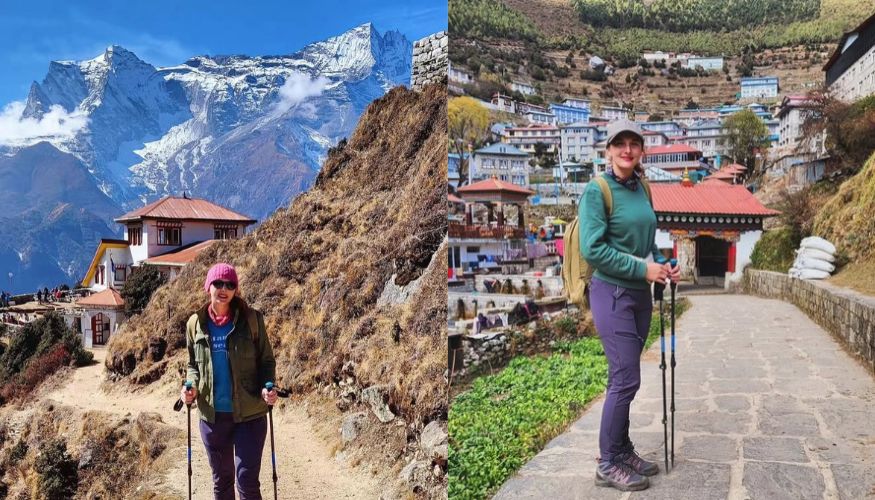
This enables the body to acclimatise to the new altitude with gradual ascent, an appropriate sleeping altitude, a slow walking pace, plenty of water and adequate rest. Trekkers also need to recognise symptoms and take them seriously, such as headache, nausea, dizziness, unusual tiredness, or difficulty breathing. Worsening of these symptoms necessitates cessation of ascent and appropriate medical management.
Best Time for the Everest Base Camp Hike
Spring and autumn are the best times for the Everest Base Camp Trek, as weather tends to be kinder at high altitude, giving better mountain views and trekking conditions. Colder temperatures and possible snow in the winter months, more rain, cloud and a potential for more flight disruptions during peak monsoon season.
However, the right timing also depends on your willingness to endure crowds, cold weather and changing trail conditions, as well as potential travel delays, because mountain conditions can shift rapidly.
Spring
The months of March to May tend to be warmer than winter, making for better trail conditions with more daylight. Visibility is generally good, especially earlier in the season, but clouds can be more common later in spring. The trails get crowded around the peak trekking period.
Autumn
September to November is the most popular time of year for the Everest Base Camp Hike.
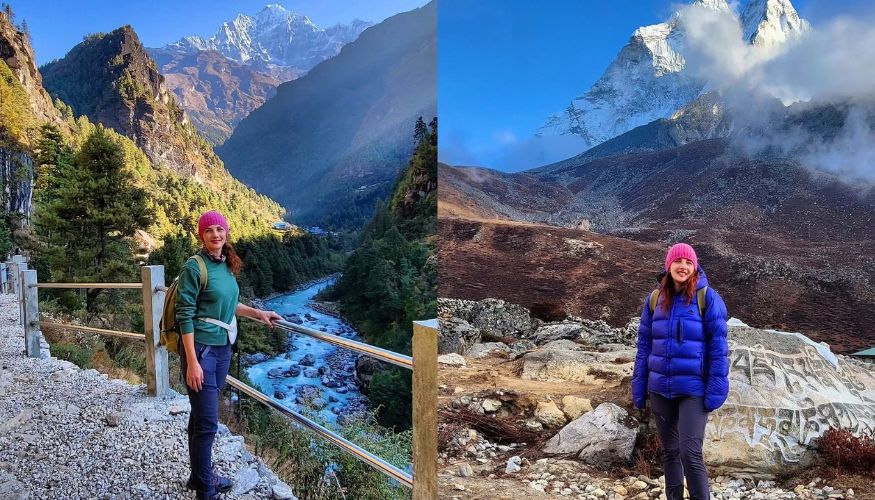
The post-monsoon season may provide clearer skies, better visibility of the mountains, and moderate trekking conditions. November is colder, and some of the more popular sections may be crowded.
Winter
Cold temperatures, especially over high-elevation areas, can drop to near freezing or bring snow in many regions between December and February. Snow can complicate some areas, but clear winter days deliver incredible views of the mountains. Fewer trekkers on the trail and cold weather can affect comfort and travel.
Monsoon
The months of June to August are the rainiest in Nepal. Trekking can be much less certain in the clouds and rain, with slippery trails and reduced visibility of mountains. Weather can also cause flight delays or cancellations to and from Lukla. Though some still trek South during this timeframe, successfully doing so requires much more flexibility.
Everest Base Camp Hike Weather and Temperature
As you ascend, the weather changes dramatically on the Everest Base Camp Hike. Those at lower elevations, such as Lukla and Namche Bazaar, usually experience better conditions of eventuality than the upper areas, while Gorak Shep & Everest Base Camp may be very chilly, especially at night or during winter.
Daytime readings might feel pleasant when the sun is shining, but quickly fade after dark. The higher you go, the more wind, cloud, snow and sudden changes in all of those are possible, so make sure you have appropriate layers and protection from the weather.
| Area | General Conditions |
| Lukla | Mild to cool, with changing mountain weather |
| Namche Bazaar | Cooler temperatures, especially mornings and evenings |
| Dingboche | Cold, dry conditions with freezing nights |
| Gorak Shep | Very cold, particularly at night |
| Everest Base Camp | Cold, windy conditions with possible snow and freezing temperatures |
How Much Does the Everest Base Camp Hike Cost?
The cost of the Everest Base Camp Hike depends on your itinerary, travel season, group size, accommodation standard, transport used during the trek, and the level of guide and porter support. Some of the largest cost components are flights to and from Kathmandu-Lukla, trekking permits, accommodation & food whilst trekking, guide & porter services, trekking gear, travel insurance, and tips and other personal expenses. These are not the only costs, but reviewing them in advance helps you prepare a realistic trekking budget.
| Cost Category | What It Covers |
| Flights | Kathmandu–Lukla return flights |
| Permits | Required national park and local area permits |
| Accommodation | Teahouse rooms along the trekking route |
| Food | Meals and drinks during the trek |
| Guide | Guide service and agreed staff costs |
| Porter | Porter service and agreed staff costs |
| Equipment | Trekking gear, clothing, and equipment |
| Insurance | Travel and trekking insurance |
| Miscellaneous | Charging, Wi-Fi, showers, snacks, and personal expenses |
| Tips | Tips for guides and porters |
For a detailed breakdown of current costs, read Everest Base Camp Trek Cost.
Everest Base Camp Hike Permits
The standard Everest Base Camp route requires trekkers to obtain Khumbu region permits. These primarily consist of the Sagarmatha National Park entry permit and the Khumbu Pasang Lhamu Rural Municipality permit.
The permits can be obtained from the relevant authorities or at designated checkpoints during the trek, and some trekking agencies arrange the necessary permits on behalf of their customers. Make sure to check permit requirements and fees closer to your trekking date, as these can change.
Read More: Everest Base Camp Trek Permit
Where Do You Stay During the Everest Base Camp Hike?
Most of the accommodation along the Everest Base Camp Hike is in teahouses and trekking lodges. Most offer simple private or shared rooms, dining spaces, and toilets, but power sources for charging become scarce at higher altitudes. Many teahouses offer Wi-Fi, but hot showers and reliable electricity become less available at higher altitudes.
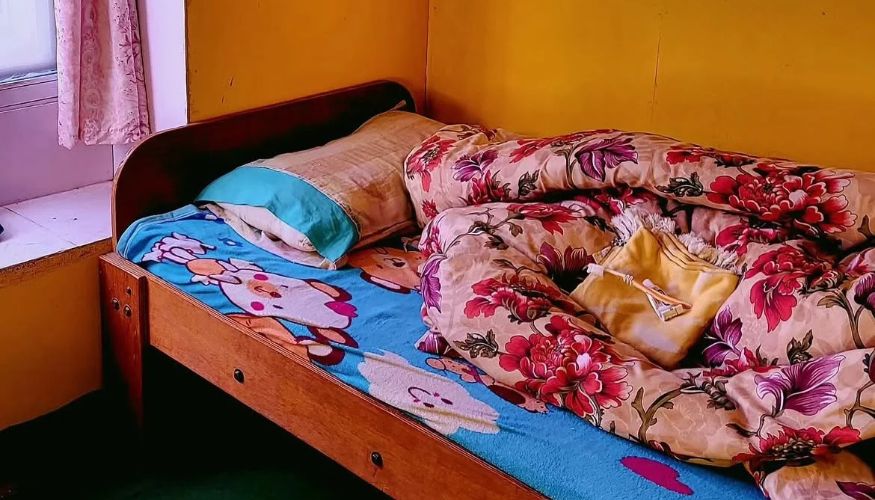
The dining area is often your main social space for meals and warmth, but some lodges do not have heating. Higher up on the trail around Gorak Shep, however, visitors can expect more basic accommodation, so be aware of colder rooms and more limited facilities, typical of teahouse conditions.
What Food and Water Is Available?
Along the way to Everest Base Camp, you will have a choice of meals at any of the teahouses, including dal bhat, noodles and pasta, rice, soups, eggs, porridge, bread with peanut butter or jam, and breakfast cereals.
At higher altitudes, food is more restricted; however, the standard overnight stops on an organised trek will provide you with their menus of regular meals. Depending on the locality, some teahouses and taps also provide drinking water.
All Tap Water or Natural water is to be purified using an appropriate method before being consumed by Trekkers. Bottled water is also sold along most of the route, with both availability and price varying with altitude.
Read More: Food and Drinks on Everest Base Camp Trek
What to Pack for the Everest Base Camp Hike?
When hiking to Everest Base Camp, we need to prepare for cold weather, high altitude, bad weather, and long walking days. Concentrate on selecting lightweight, useful equipment and layering your clothing so you can easily adjust it as the weather changes.
Clothing
Pack moisture-wicking base layers, fleece or warm mid-layers, an insulated jacket, a waterproof and windproof layer outside this, as well as trekking trousers, warm underwear, gloves and a nice warm hat.
Footwear
Wear comfortable, lightweight trekking boots or shoes, a few pairs of trekking socks and light-frontland footwear to wear inside the teahouse.
Sleeping Gear
Heat-season sleeping bag, especially for colder, higher-elevation nights.
Backpack
Pack a lightweight daypack for everyday use. If you go with a porter, keep your base pack weight within the limit you agreed to.
Sun Protection
Bring along sunglasses with UV protection, sunscreen, SPF lip balm and a hat. Above 5000 meters, strong sunlight is common.
Water and Hydration
Along with water purification tablets or at least a filter or other means of treatment, carry multiple-use water bottles.
Personal Items
Carry toiletries, personal hygiene items, documents, cash, snacks, and other things you use daily.
First-Aid and Medication
Keep basic first-aid items and your personal medication, blister and stick treatment, including bandages, painkillers, or rehydration salts. Altitude medication should be taken only on proper medical advice.
Electronics
Particularly, a telephone, emergency contact information, charging cables and a headlamp. Including a camera and extra batteries depending on your requirements.
For a complete checklist, read Everest Base Camp Trek Packing List.
Do You Need a Guide and Porter for the Everest Base Camp Hike?
You will benefit from the assistance of both a guide and a porter during the Everest Base Camp Hike. A guide can help you navigate routes, arrange accommodation, communicate any issues, handle day-to-day logistics, and support you when the unexpected happens.
A person who carries your main luggage while you traipse about with a smaller daypack. On suitable itineraries, it is possible to mix some level of guiding support with baggage carrying by a guide-porter.
However, for those do-it-yourself types of trekkers who want some semblance of organization and a human touch to aid in finding routes or hostels, Shmoop can indeed help.
Learn more about our Hire a Trekking Guide and Porter in Nepal service.
Everest Base Camp Hike Safety
The Everest Base Camp Hike is about acclimatizing correctly, taking your time, being prepared and recognising that mountain conditions can change rapidly. Trekker should also be aware of symptoms such as headache, nausea, dizziness, unusual tiredness or shortness of breath since altitude is one of the main issues. Weather and trail conditions can change rapidly at higher elevations.
Drink plenty of water, maintain communication with your guide or trekking partner, take essential pills, carry reliable means of communication, and ensure you have a good travel insurance policy that covers high-altitude trekking and emergency evacuation.
What Is the Best Training for the Everest Base Camp Hike?
The optimal preparation will combine walking trails, uphill training, strength and endurance and regular aerobic exercise. They include lengthy walks, uphill hikes, stair climbing and leg and vigorous core exercises. Walk with a rucksack around the same weight that you are going to have during the climb.
In an ideal world, start training 8-12 weeks before the trek; this is when distance, elevation gain and time should gradually increase rather than trying to build fitness quickly just before leaving.
What Is the Everest Base Camp Hike Like Day by Day?
A typical Everest Base Camp itinerary takes around two weeks and includes acclimatization days at Namche Bazaar and Dingboche. The exact walking time and overnight locations can vary depending on the itinerary, weather, trail conditions, and trekking pace.
| Day | Route | Approx. Elevation | Walking Time |
| 1 | Lukla to Phakding | 2,650 m | 3-5 hrs |
| 2 | Phakding to Namche Bazaar | 3,440 m | 5-7 hrs |
| 3 | Namche Acclimatization | 3,440 m | 3-5 hrs |
| 4 | Namche to Tengboche | 3,860 m | 5-6 hrs |
| 5 | Tengboche to Dingboche | 4,410 m | 5-6 hrs |
| 6 | Dingboche Acclimatization | 4,410 m | 3-5 hrs |
| 7 | Dingboche to Lobuche | 4,900 m | 5-6 hrs |
| 8 | Lobuche to Gorak Shep to Everest Base Camp to Gorak Shep | 5,364 m | 7-9 hrs |
| 9 | Gorak Shep to Kala Patthar to Pheriche | 4,371 m | 7-8 hrs |
| 10 | Pheriche to Namche Bazaar | 3,440 m | 6-7 hrs |
| 11 | Namche to Lukla | 2,850 m | 6-8 hrs |
| 12 | Lukla to Kathmandu | 1,350 m | Flight |
The itinerary can be extended with additional acclimatization days or adjusted because of flight schedules and mountain weather.
Everest Base Camp Hike vs Everest Base Camp Trek
The terms “Everest base camp hike” and “Everest base camp trek” refer to the same trekking expedition to Everest base camp. Trekking companies use the term trek because it takes several days and involves travelling through quieter mountain areas. Travellers frequently use the word hike, but walking to Everest Base Camp is a Hike.
When we say “standard EBC trek,” the route, duration, difficulty level, accommodation, and altitude are pretty much the same. This is why the type of travellers searching for an Everest Base Camp hike are often really looking for the kind of experience described as an Everest Base Camp trek.
Tips for Your Everest Base Camp Hike
A successful Everest Base Camp Hike requires good preparation and a great deal of patience. Walk calmly, do not hurry, drink regularly and take acclimatization days absolutely seriously. Pack as lightly as you can, expect cold weather and unpredictably wet conditions, and start early on long hiking days. You will need enough Nepalese cash to cover your own expenses and, if possible, have some flexibility in your itinerary, since mountain weather can affect trail conditions as well as flights to and especially from Lukla.
FAQs
How long does the Everest Base Camp hike take?
A typical Everest Base Camp Hike takes around 12 to 14 days, including acclimatization days.
How difficult is the Everest Base Camp hike?
The EBC hike is a challenging high-altitude trek. Long walking days, steep sections, uneven terrain, cold weather, and high elevation make it more demanding than an ordinary hike.
How high is Everest Base Camp?
Everest Base Camp is 5,364 meters (17,598 feet) above sea level.
What is the highest point of the EBC hike?
Kala Patthar is the highest point reached on the standard EBC itinerary, at approximately 5,545 meters above sea level.
How many kilometers is the Everest Base Camp hike?
The standard EBC route is 130 km (80 miles) round trip.
What is the best month for the EBC hike?
Spring and autumn are generally the main trekking seasons. March to May and September to November usually offer favourable trekking conditions, although mountain weather can change at any time.
Do I need a guide for Everest Base Camp?
Yes, A guide can provide route guidance, accommodation coordination, local communication, logistics, and support during unexpected situations.
Do I need a porter for Everest Base Camp?
A porter is not the same as a guide. A porter mainly carries your main luggage, allowing you to walk with a lighter daypack.
How much does the Everest Base Camp hike cost?
The cost of the EBC hike is approximately $1200 to $2500, depending on flights, permits, accommodation, food, guide or porter services, equipment, insurance, and personal expenses.
Is Everest Base Camp suitable for beginners?
Yes, people without previous high-altitude trekking experience can complete the trek with suitable preparation, reasonable fitness, gradual acclimatization, and an appropriate itinerary.
Is altitude sickness a concern?
Yes. Altitude sickness can occur as you ascend to higher elevations. Gradual acclimatization and recognizing symptoms early are important.
What should I pack for Everest Base Camp?
You should pack Essential items, including layered clothing, trekking footwear, a warm sleeping bag, a daypack, sun protection, water and purification equipment, personal medication, first-aid supplies, documents, and basic electronics.
Can I hike to Everest Base Camp without prior trekking experience?
Yes. Previous trekking experience is helpful but not essential. You should prepare your fitness, train for long walking days, and choose an itinerary that provides sufficient time for acclimatization.
Where do you sleep during the EBC hike?
Trekkers normally stay in teahouses and trekking lodges along the route. Facilities become more basic at higher elevations, particularly around Gorak Shep.
Can you get Wi-Fi and mobile network on the EBC trail?
Wi-Fi is available at many teahouses, usually for an additional charge, but connectivity tends to be less reliable at higher elevations. You can read the full details here: Internet & Wi-Fi on Everest Base Camp
Plan Your Everest Base Camp Hike
Planning your Everest Base Camp Hike involves choosing the right itinerary, arranging transportation and permits, budgeting for accommodation and food, and deciding whether you need a guide or porter. Eco Nepal Trekkers can help arrange trekking services and logistics based on your travel dates, group size, and requirements.
Ready to plan your journey? Explore our Everest Base Camp Trek and send us your enquiry.